
Just Tap It In: DIY vs. Professionally Installed Putting Greens
Have you ever wanted to practice your short game without heading to your local course? Well, it’s not a pipe dream. With the right plan, budget, and help from professionals, you can create your own putting green right in your backyard.
These greens have become a popular trend as of late, and more and more companies offer installations. There is definitely a way to make this a DIY project, but if you want to get it right and have a beautiful, awe-inspiring green on your property—professional installation is your ideal solution.
As you would probably expect, designing and creating an exceptional looking green that suits your own space takes a special touch. How you want your green to look, feel, and function really all depends on your imagination and budget. Additions like bunkers, water features, creeks or other types of exciting features are all possible for the right property and the right price.
As we mentioned, you can certainly do some of these features yourself. We’ll go over both the pros and cons of each and how you can make your dreams come true with your own putting green right in your backyard.
The DIY Putting Green Option
Ok, so maybe you’re a handy person with a solid grasp on how to make some pretty substantial landscaping marvels happen. If you’re not, this may not be the option for you.
If you’re willing to take on the challenge, get ready for a wild ride. You’ll likely need a hand, so get ready to grab a few friends, rent some equipment, and start on some serious landscaping.
When you pick out what area of your yard you want to place your green, you’re going to want to find a spot that’s fairly level so that you minimize the amount of extra work you’ll be doing. Map out how large you’re thinking about making your green—knowing that the larger the green, the more expensive the project will become. It’s also a good idea to map out any extra features during this process, especially if you’re thinking about adding a fringe, bunkers, or any other features. Once you get started, it will be difficult to make unforeseen additions later on.
It’s also a good idea to figure out where exactly you want your cup (or cups) to be. Most backyard putting greens have multiple holes for a more diverse experience. So, during your preparations try and get a general idea of where you want your cups to be.
Once you’ve gotten through your planning and preparation phase, it’s time for you and your friendly crew to move onto the actual work. Hopefully, you’ve bribed them with enough brews.
Some companies also offer solutions that make this process a lot easier. Instead of making an entire landscaping ordeal out of it, they have created pre-cut base layers with turf on top. These work a bit better for those that aren’t willing to go the extra mile. However, they won’t function as realistically as a genuine installation.
The Professional Option
We may be a bit biased here, but we would recommend getting a professional or expert involved with your backyard putting green. It’s not that you
can’t
do it yourself, it’s just a tough task with so many unforeseen variables that pop up.
Every yard is different and poses unique challenges for landscaping projects. Extreme grading and sodding can have a big effect on your ability to make this work. With something as complex and detail-oriented as a putting green, getting a professional involved isn’t a bad thing. If anything, it’s worth it in the long run because you’ll not only be able to have a longer lasting, better green—but you’ll also have peace of mind. This is especially true if you have a vision of a green that you’ve seen at your favorite course, where complicated design is inevitable and a robust understanding of landscaping, turf, and greens is required.
If you’re looking for someone to help you get the job done, there are tons of companies offering this as a service. We personally have an unparalleled landscaping design process that aims to take your ideation to reality with complete transparency and success.
How Much Does This Cost
There really isn’t a one size fits all cost for a project like this. However, there are some pretty fixed costs that can help you estimate certain factors. A general rule is that synthetic putting green materials usually cost between $15-$25 per square foot.
So, obviously the size you want your green to be will have a pretty big impact on the cost. But other features you want to add or alterations to your current landscaping will also start to add up.
Get Started
Are you ready to pull the trigger on your own backyard putting green? If so, and you’re looking for a professional to help you make it happen we’ve got you covered.
Contact us today for a quick quote to get a quote and start working on your short game.
Ready to Start on Your Next Project?
Call us at (763) 568-7251 or visit our quote page.
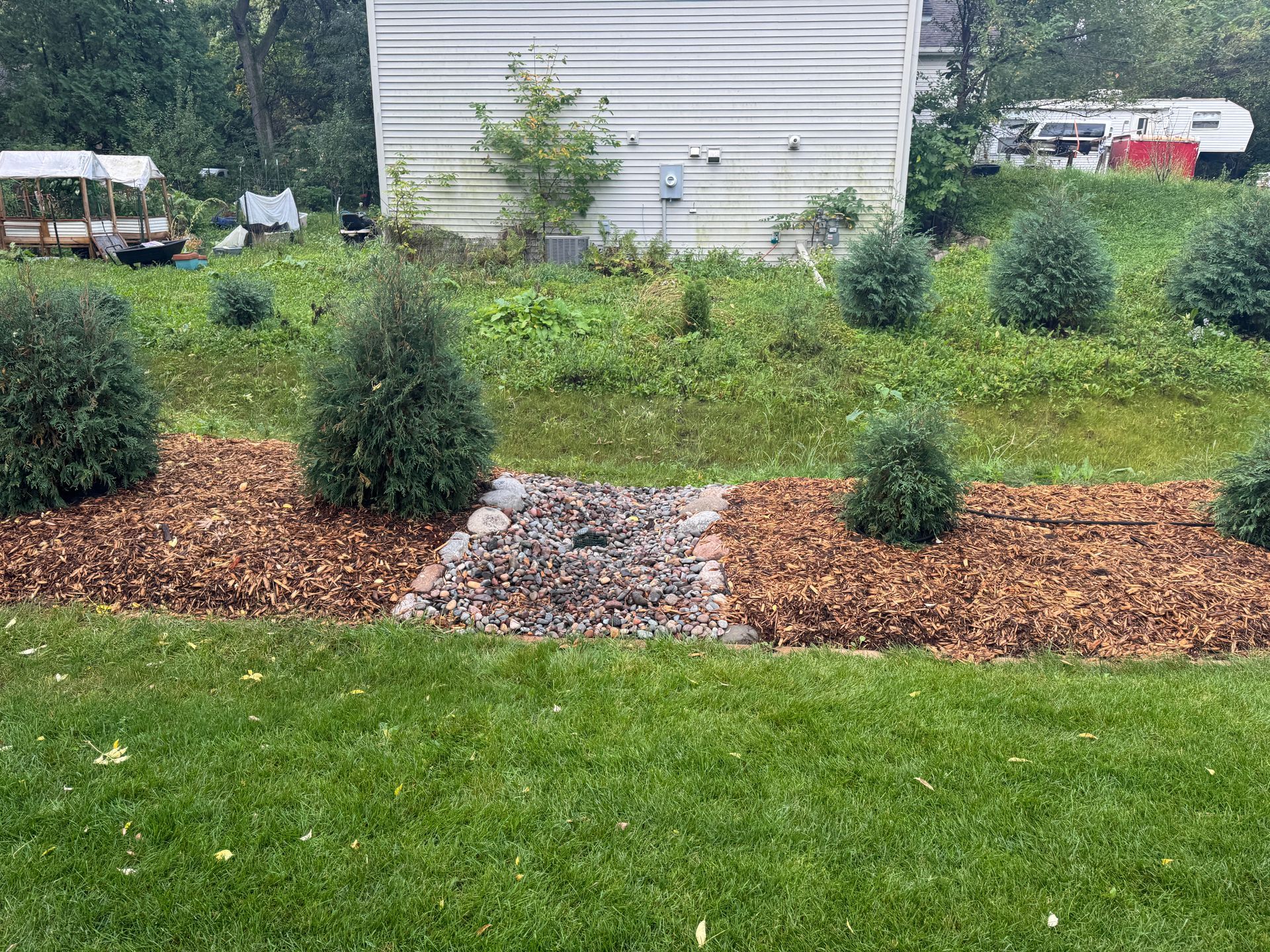
The legendary architect Louis Sullivan coined a phrase that has driven architecture and design ever since: "form follows function." While aesthetics are critical to buildings and landscapes alike, that physical beauty must always remain secondary to the fundamentals of good design. In Shoreview, Minnesota, just outside St. Paul , we encountered a landscape where, unfortunately, function followed form. Here, the realities and principles of effective drainage were downstream of their original builder's aesthetic choices. That meant water from snowmelt and rainfall was streaming into parts of the lawn where it wasn't meant to be. The standing water that had been allowed to collect in the back and side yards was putting a considerable amount of the property out of play. In order to reclaim usable space and rethink the way the land handled water, this Shoreview homeowner entrusted KG Landscape with identifying key issues, presenting potential solutions, and doing the necessary work the client decided upon to restore their lawn.
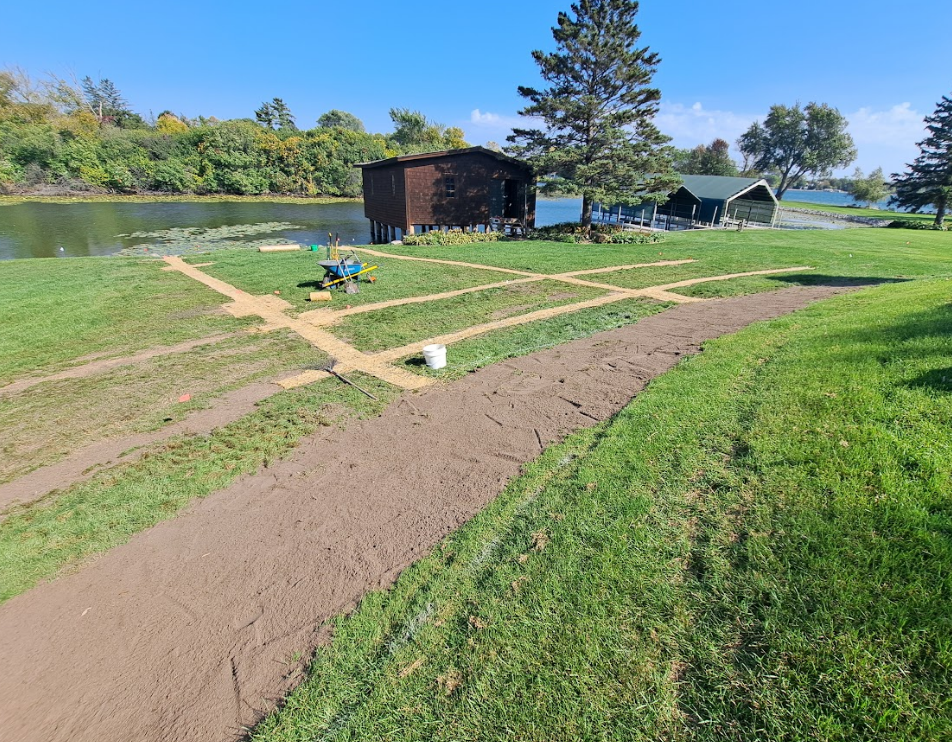
On the shores of Lake Minnetonka, perhaps the most famous of Minnesota's 10,000 lakes, an Orono, Minnesota homeowner was struggling with a back yard that was becoming more marsh than yard. The yard was a scenic one. The back porch opened up to the top of a small hill, which rolled down toward the lakefront and the boathouse. This flat space between the hill and the water would be ideal for backyard barbecues, some low-stakes games of bocce and badminton, or simply a spot to lay down a towel and get some summer reading done. Instead, this area was too waterlogged to enjoy. The runoff from the hilltop combined with unfavorable soil composition were limiting the use of the yard, closing off space while even diminishing the quality of the turf. How would this homeowner be able to reclaim this unusable land without disrupting the Lake Minnetonka shoreline that made the property so attractive? To find a solution, they turned to KG Landscape.
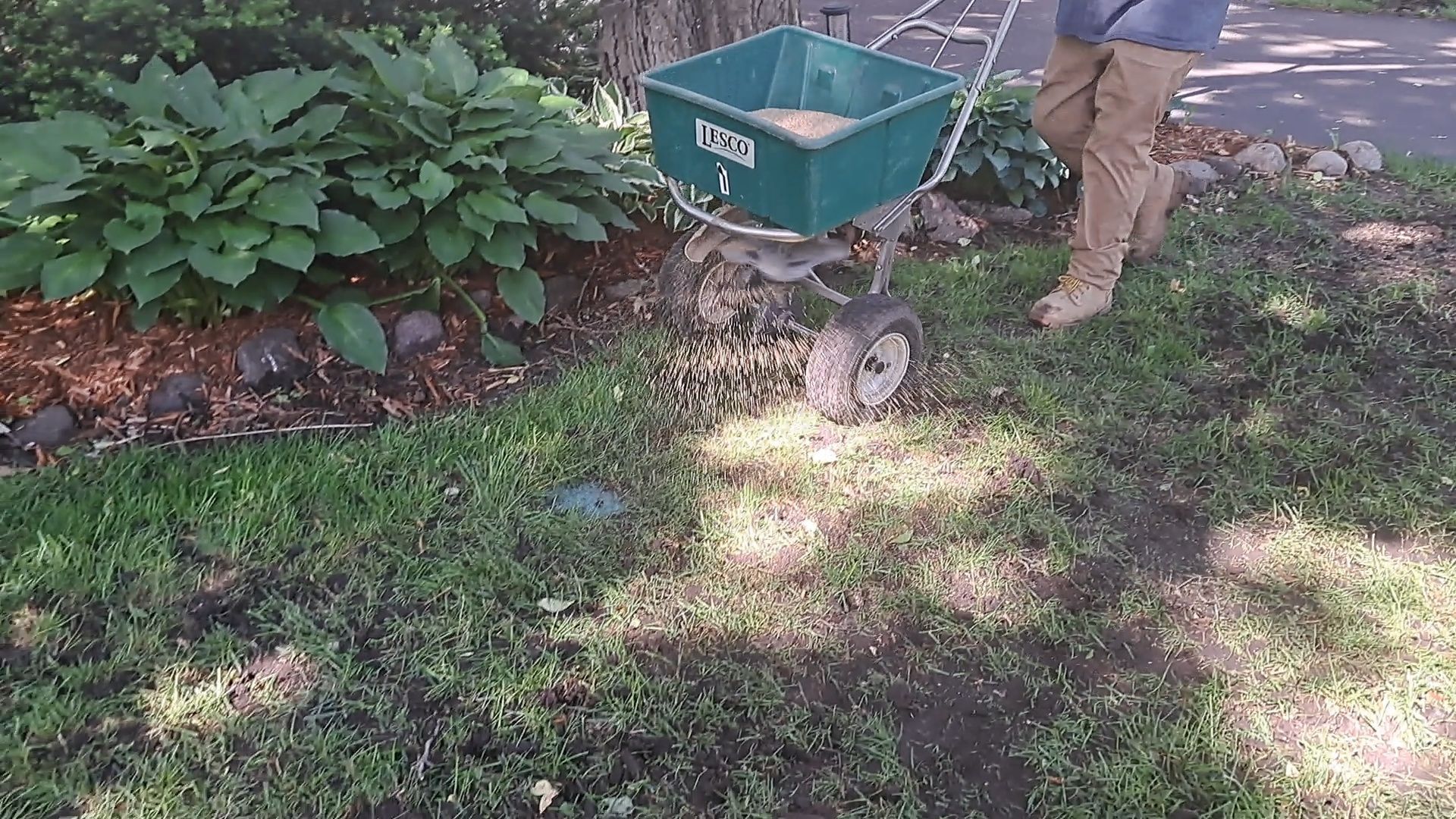
Can you use compost as lawn fertilizer in Minnesota? Learn how compost feeds turf, how to apply it, and where it fits. Get a free quote.
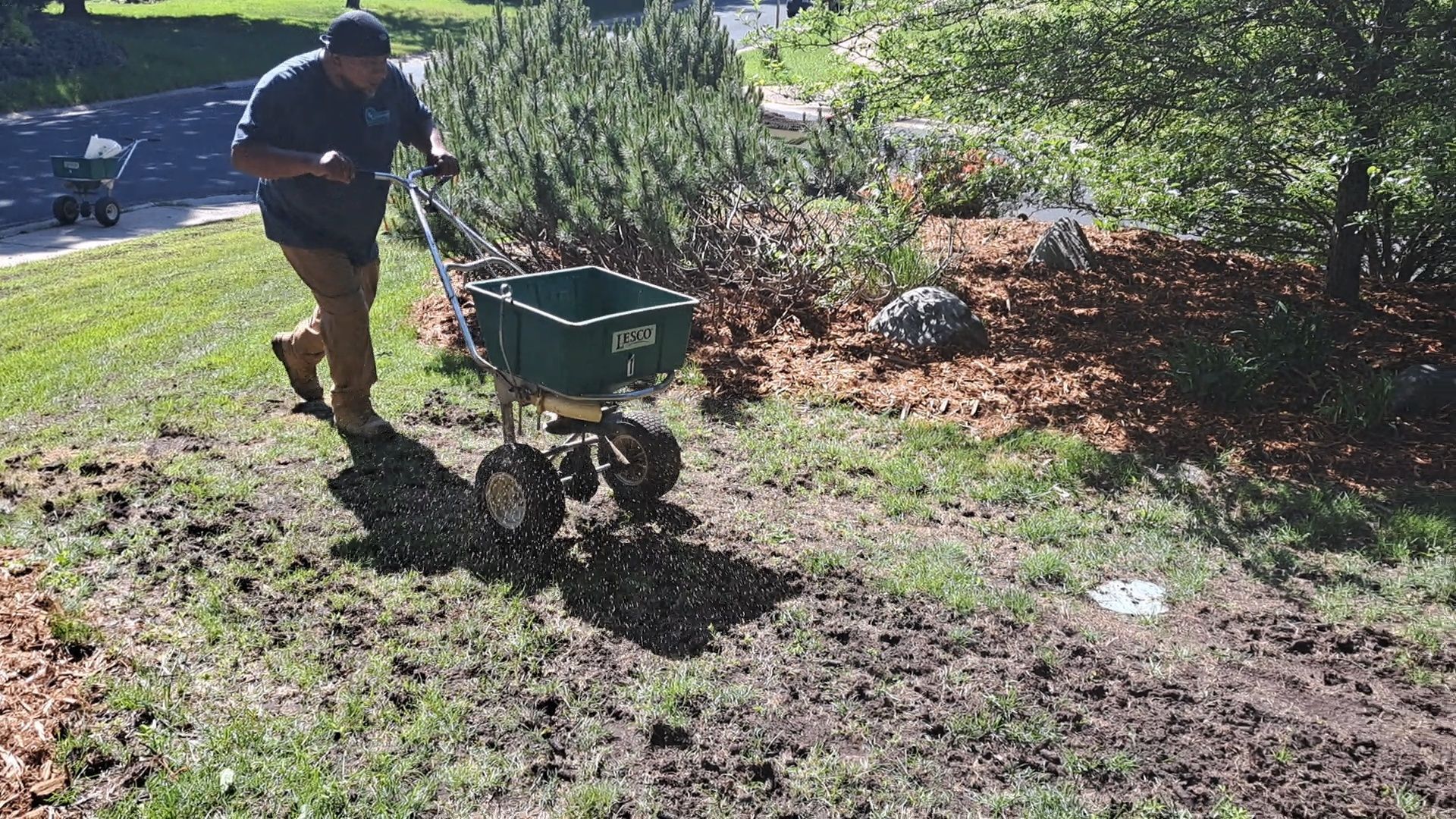
Organic weed control for Minnesota lawns: what works, what doesn't, and how to manage weeds without harsh chemicals. Get a quote.

Keep your lawn and your pets safe. Pet-safe lawn care tips for Minnesota yards, from products to timing. Get a free quote.
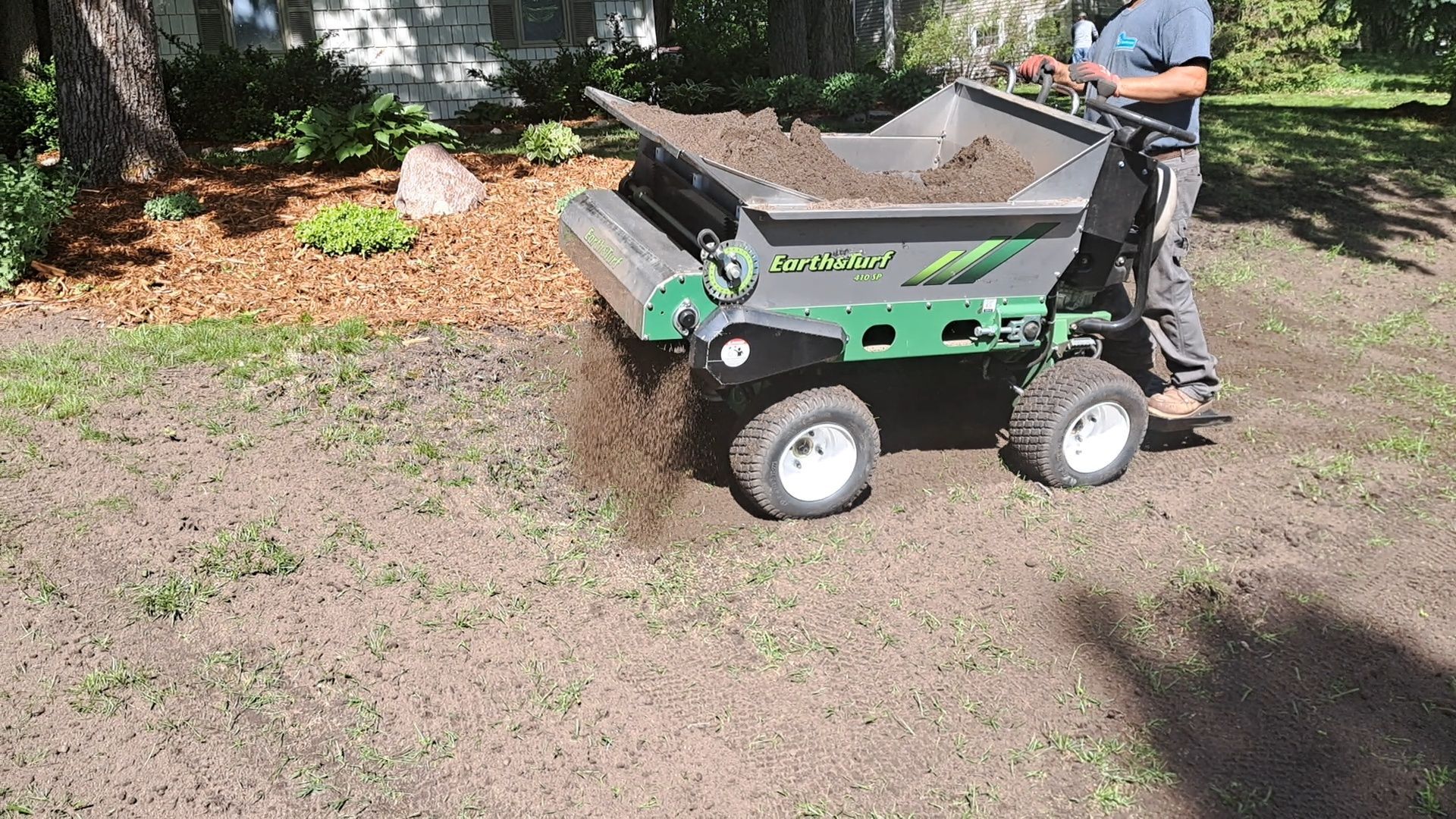
Looking for the best organic lawn fertilizer in Minnesota? See top options, how they feed your turf, and what KG uses. Get a quote.
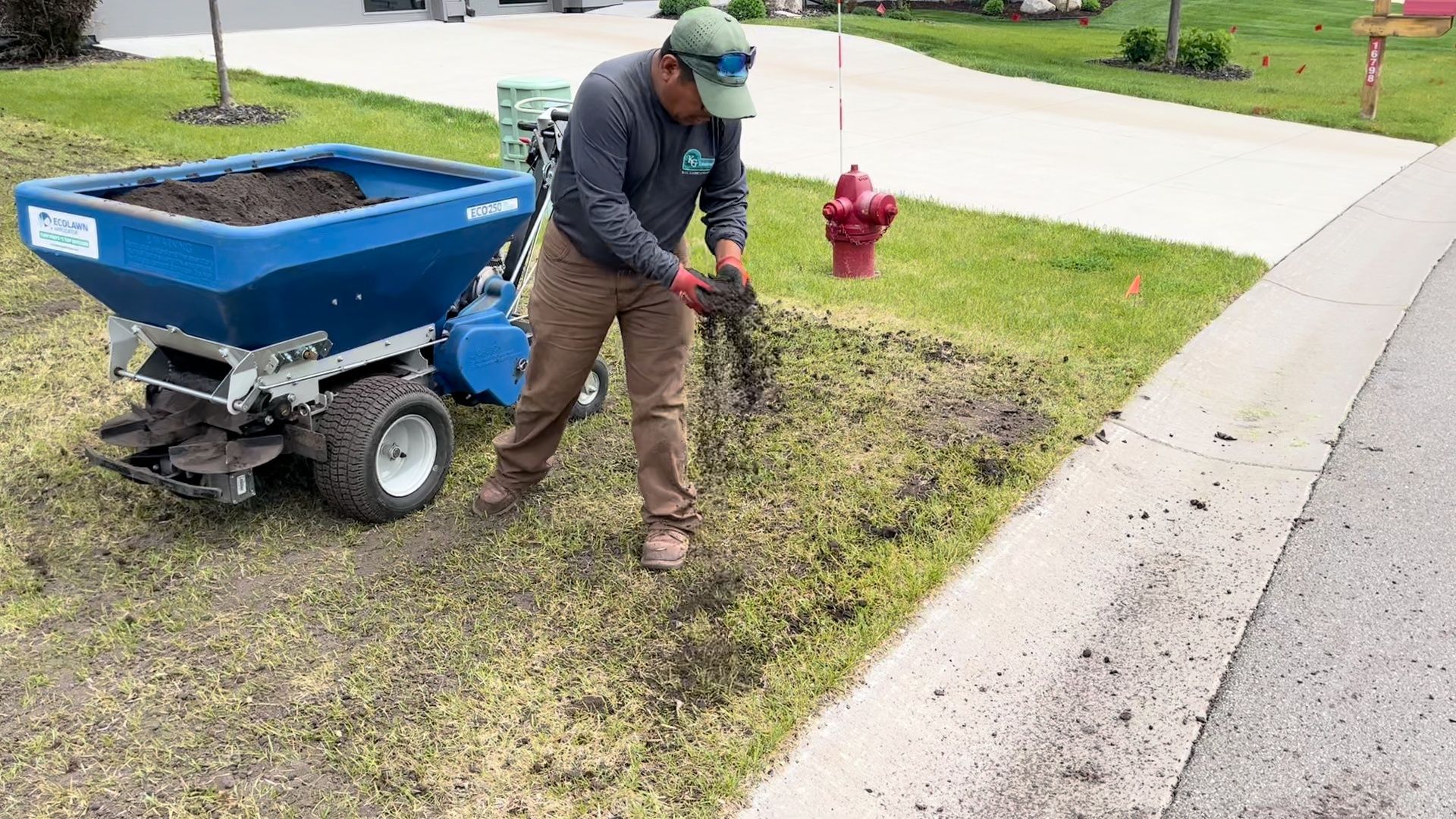
Is compost a fertilizer? Learn what compost does for your Minnesota lawn, how it differs from fertilizer, and when to use it. Get a quote.
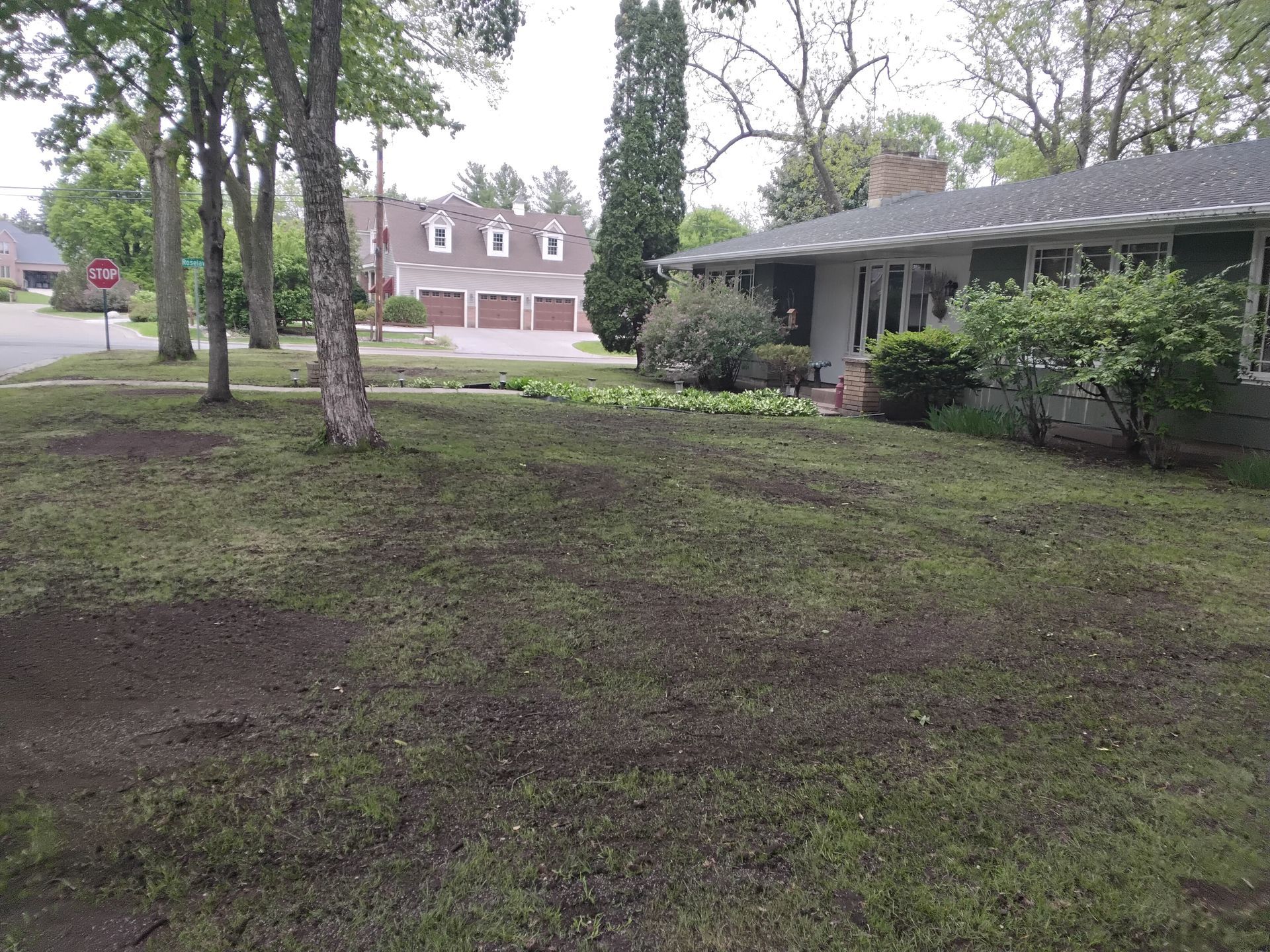
Compost feeds the soil, fertilizer feeds the grass. Learn which your Minnesota lawn needs, when to use each, and how to apply both. Get a quote.
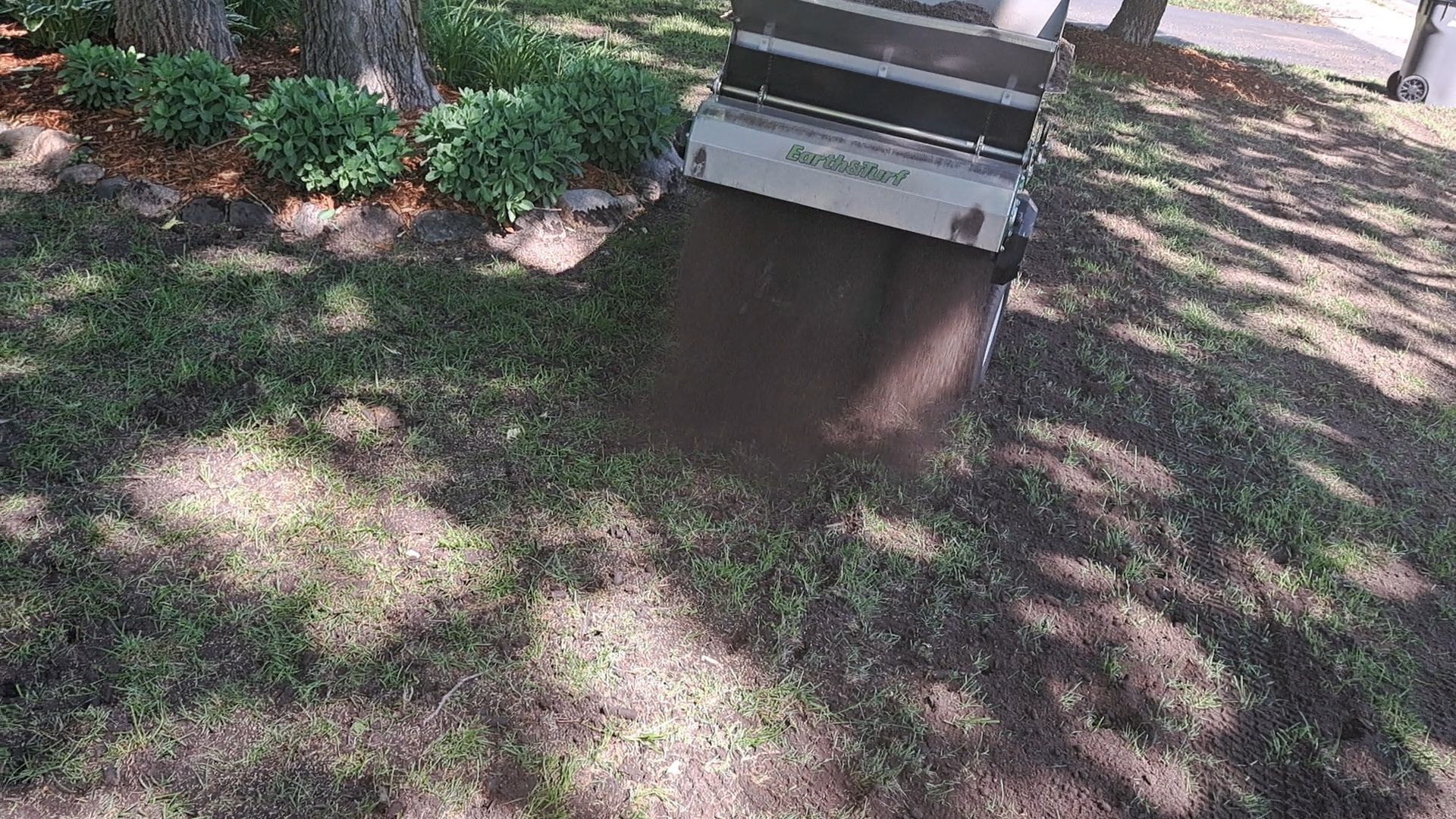
Eco-friendly lawn care tips for Twin Cities yards: cut chemicals, save water, and build healthy soil naturally. Get a free quote.
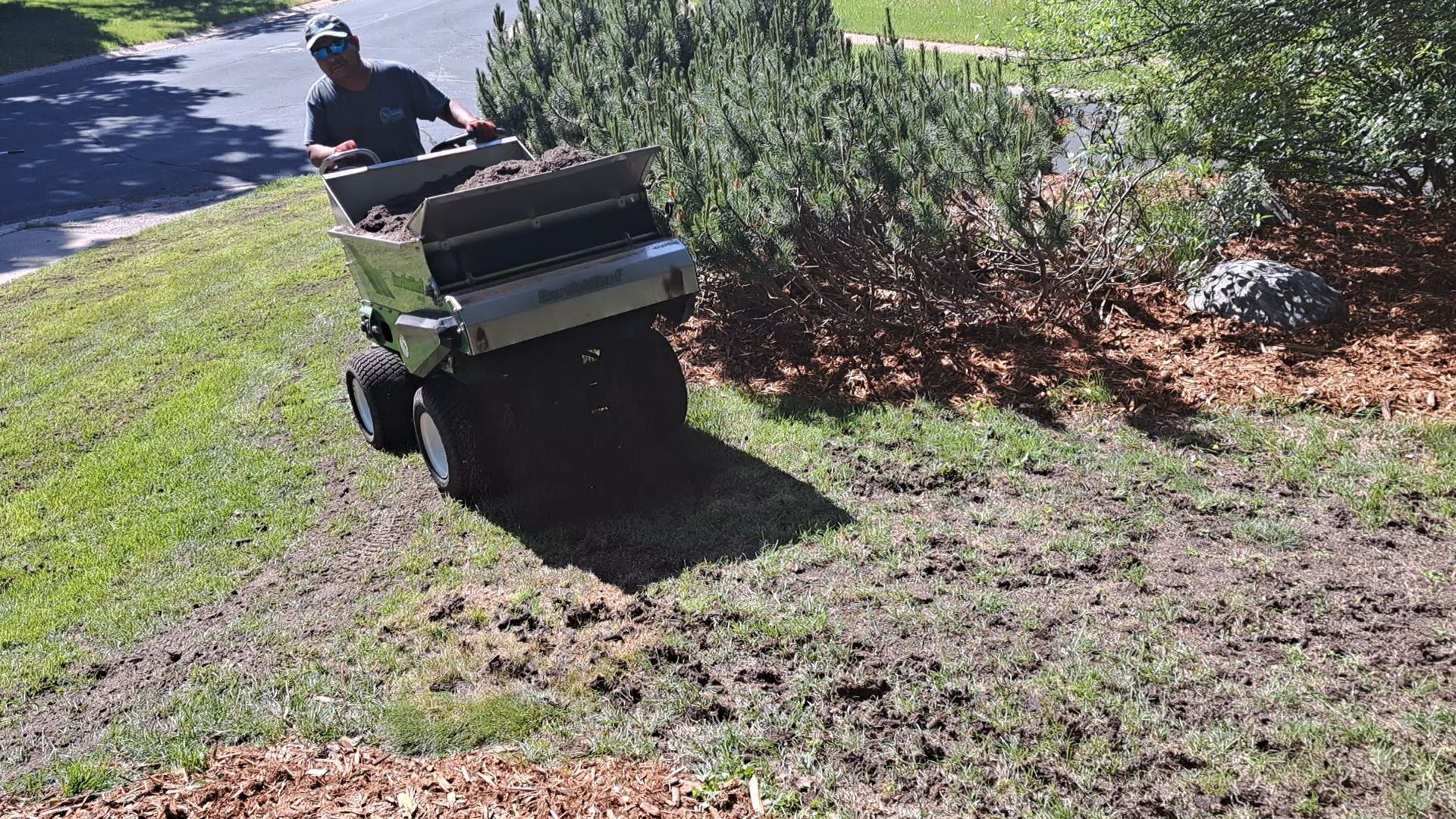
Simple, proven lawn care tips for Minnesota yards: mowing, watering, feeding, and building healthy soil that lasts. Get a free quote.