
Create a Low-Allergen Landscape
Allergies are no joke. If you suffer from pollen allergies, it may seem like gardening or even being outside is out of the question. Luckily, there are many plant options that emit less pollen. In this post, we’ll take a look at some of the options available, as well as proactive measures you can take to stay healthy.
Flowers & Other Plantings
When you think of pollen, the first thing that comes to mind is probably flowers. After all, on many varieties, the pollen is very easy to see. You’re in luck, though: there are plenty of flowers you can plant if you have allergies.
Bright, showy flowers cause fewer allergic reactions than their less-flashy counterparts. This is because they tend to be pollinated by bees and other insects rather than by the wind. Flowers that begin as bulbs, such as tulips, are good candidates for this. Other good options include begonias, petunias, salvia, and sunflowers.
The same is true for flowers that are more tubular in shape, like daffodils or snapdragons. The pollen in these plants is located deep inside the flower, so it won’t be spread by the wind or catch on your clothes as you pass.
Plants with sticky pollen, like hydrangeas, are another option for allergy sufferers. This type of pollen is unlikely to become airborne as these flowers, too, are pollinated by bees, hummingbirds, and insects.
If you prefer more greenery in your gardens, consider planting ferns. These leafy plants reproduce via spores and thus have no pollen.
Grass
Some common grass varieties are very high in pollen. Keep your lawn mowed in order to keep grass from flowering, or hire a professional lawn care company to take care of it. Pollen gets kicked up by mowing, and hiring that out will greatly reduce your exposure. If grass is a trigger for your allergies but you still want a large lawn, do some research to see which varieties have less pollen.
Ornamental grasses are beautiful, but also give off a lot of pollen. The flowers can bloom for a long time, and ornamental grasses are commonly planted over a large area, compounding the problem. If you really want ornamental grass as part of your landscape design, try to keep it far from your home, so pollen can’t blow as easily into open windows or doors.
Trees
There are two types of trees: monoecious and dioecious. Monoecious trees have both male and and female parts. Because of this, they produce pollen. Dioecious trees are either
male or female. Male trees produce pollen, while female trees trap that pollen and produce seeds. Female trees are generally messier (from dropping fruits, nuts, and other seeds), but they are much more allergy-friendly.
Cities and landscapers tend to plant male trees along boulevard and in yards, respectively, because they don’t drop seeds. However, this choice may lead to worse allergies in the spring. Because of this trend to plant less messy trees, nurseries tend to keep mostly males trees in stock, so be sure to call ahead. Some good options include red maple, crabapple, juniper, and white ash. Trees to avoid, because they’re monoecious, include spruce, birch, and oak.
Be Prepared
If you have pollen allergies, there are a few steps you can take to keep your reaction to a minimum.
- Work in the yard or gardens in the evening, rather than in the morning or the middle of the day, when pollen counts are at their highest.
- If you do grow plants and trees that have a lot of pollen, try to do so away from your home’s windows and doors.
- When you come inside, remove your outer layers at the door and bag them or bring them directly to your laundry room. This action will help ensure you don’t track pollen and other irritants throughout the house.
- Try to keep weeds to a minimum in your yard. Ragweed and even dandelions create a lot of pollen. There are plenty of chemical weed control options on the market for your lawn (or you can let the professionals take care of that, too), but you have a few other options for garden beds. Laying down mulch in your garden beds is a good way to keep weeds down, as is weed barrier fabric. If you have a paver patio or driveway, fill any cracks with polymeric sand to make it more difficult for weeds to push through.
- Don’t touch your face and eyes while working outside.
- Check the
OPALS plant-allergy ratings before purchasing new plants or trees.
Ready to change up your plantings to be more allergy-friendly? Give us a call at 763-568-7251 or use our quote system to get in touch.
Ready to Start on Your Next Project?
Call us at (763) 568-7251 or visit our quote page.
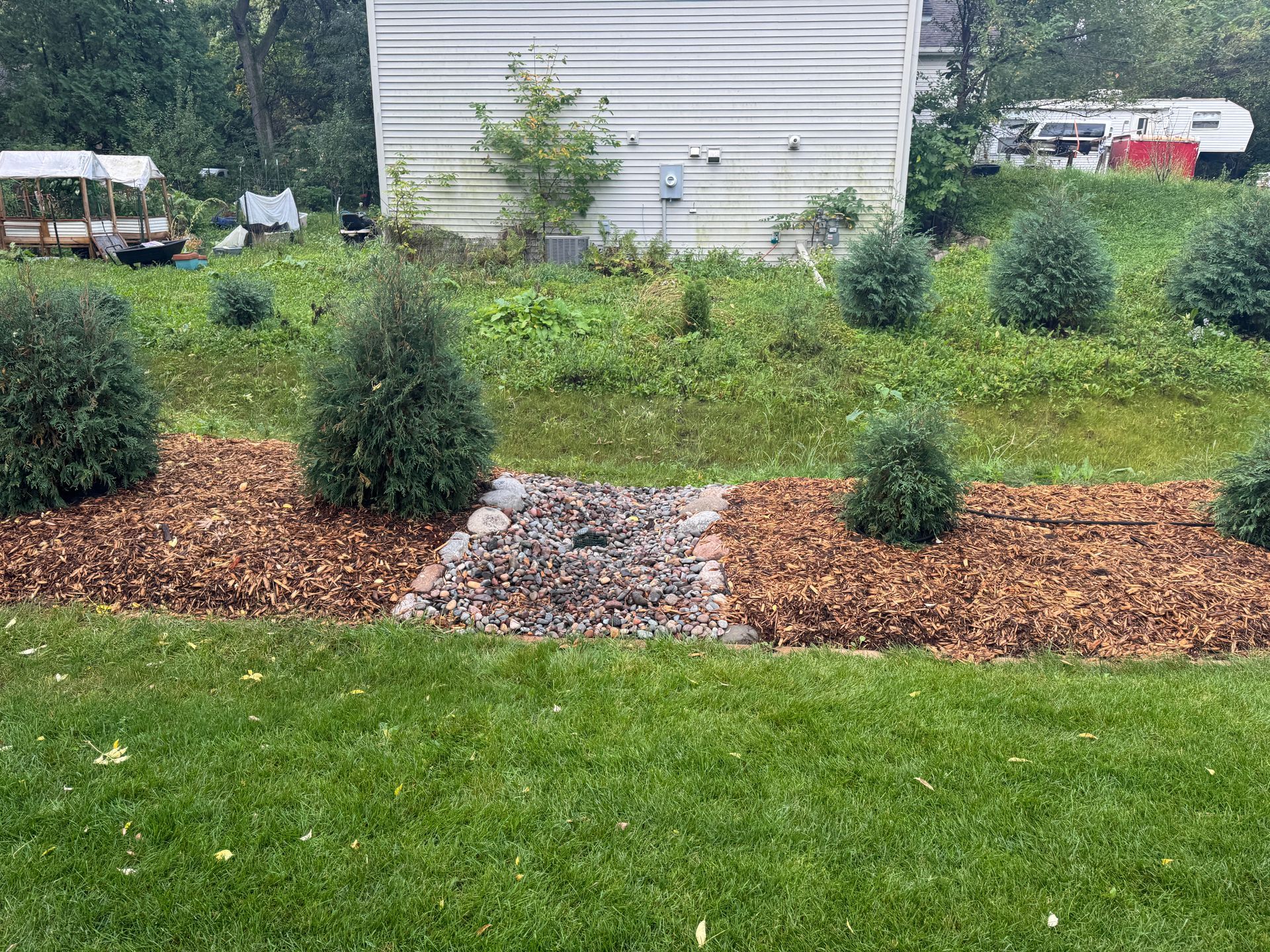
Learn how KG Landscape restored a backyard swale in Shoreview, MN, fixing drainage issues. Contact us for expert landscaping solutions!
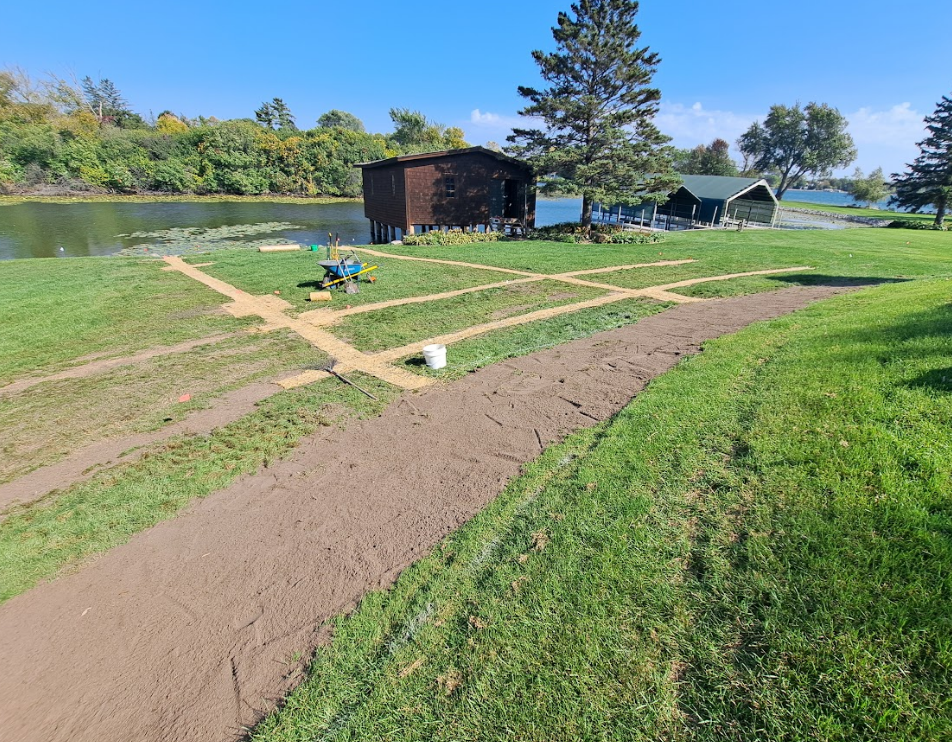
Learn how KG Landscape solved a waterlogged yard issue in Orono, MN. Contact us for eco-friendly drainage solutions today!
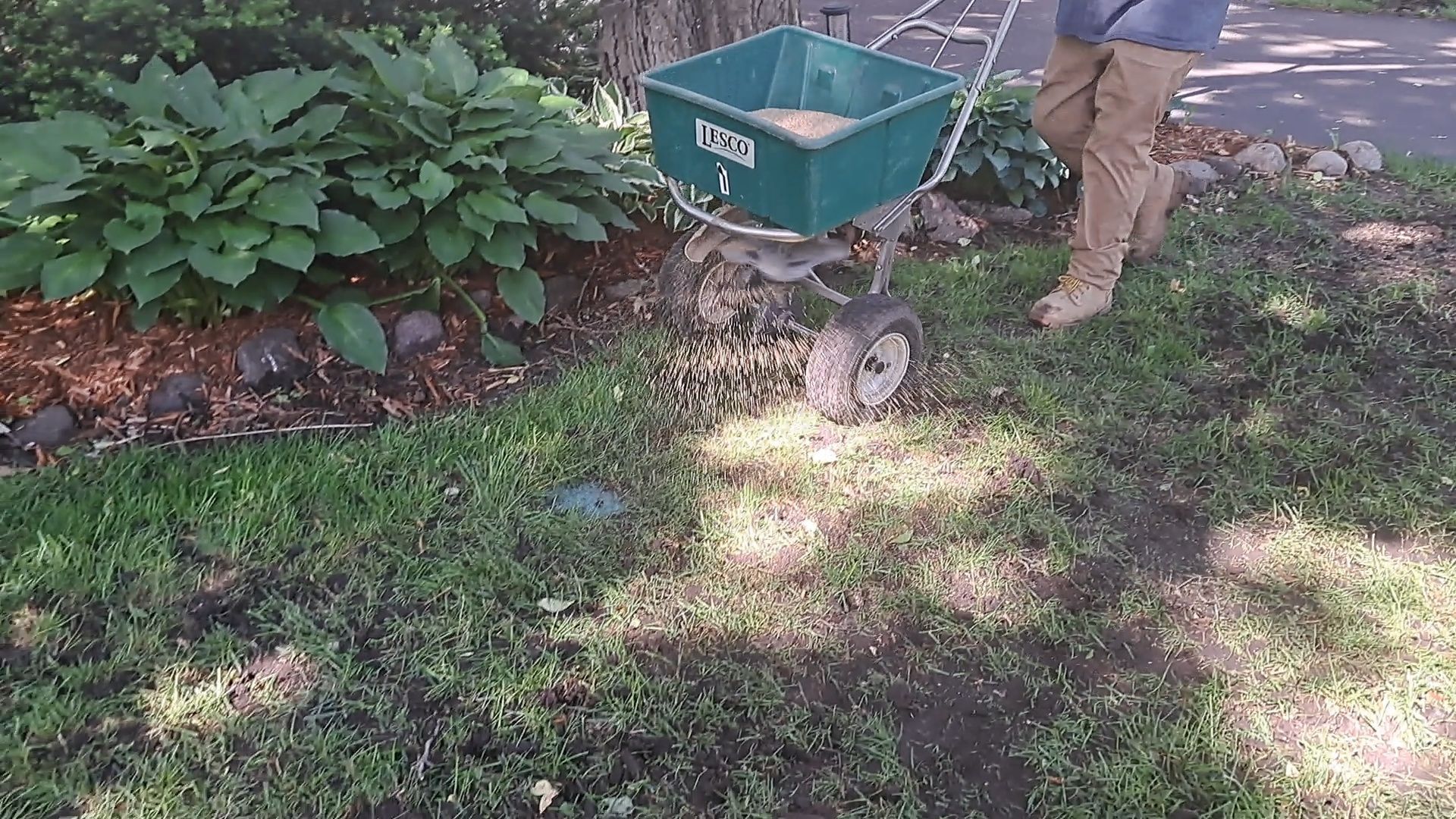
Can you use compost as lawn fertilizer in Minnesota? Learn how compost feeds turf, how to apply it, and where it fits. Get a free quote.
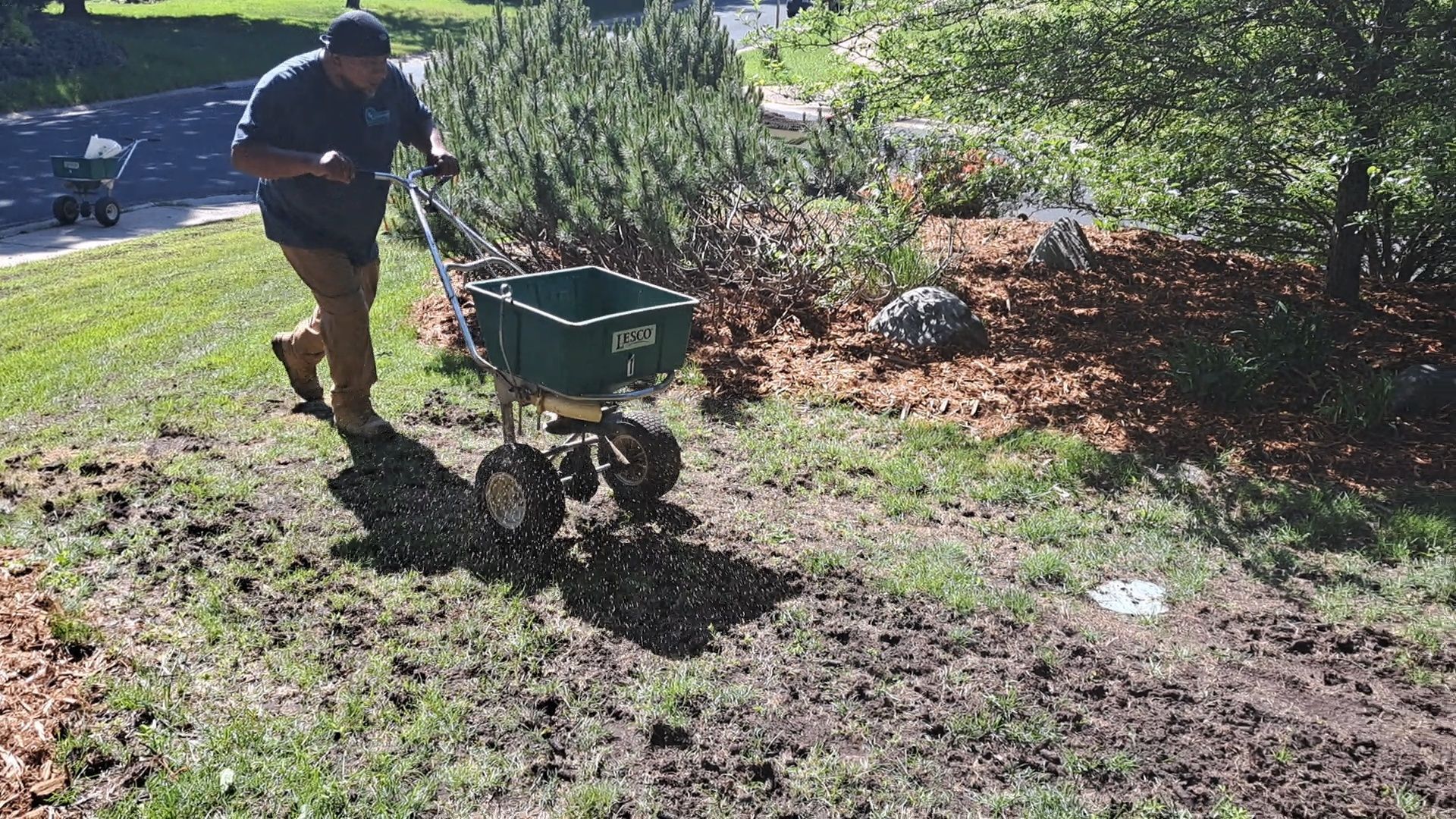
Organic weed control for Minnesota lawns: what works, what doesn't, and how to manage weeds without harsh chemicals. Get a quote.

Keep your lawn and your pets safe. Pet-safe lawn care tips for Minnesota yards, from products to timing. Get a free quote.
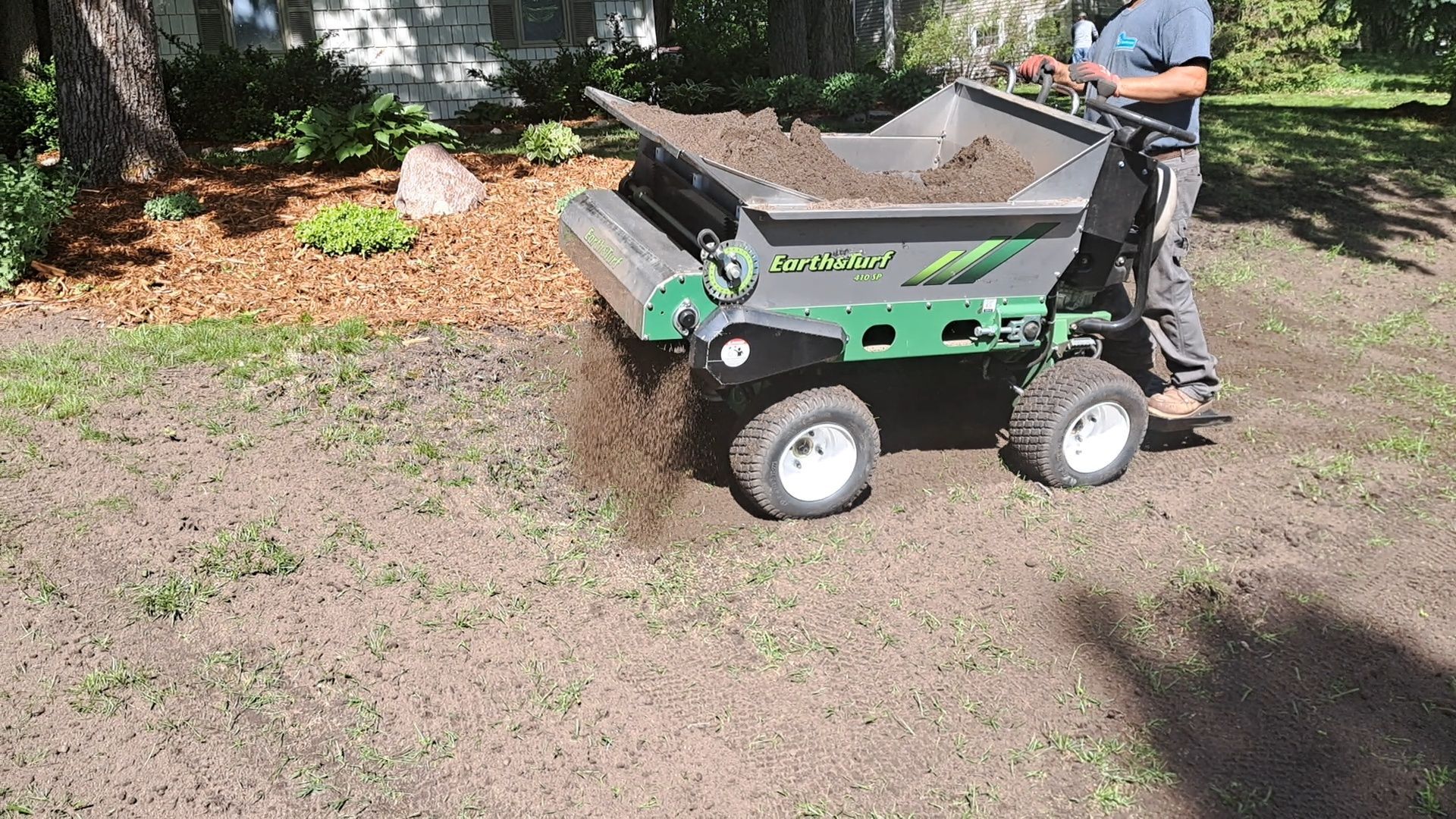
Looking for the best organic lawn fertilizer in Minnesota? See top options, how they feed your turf, and what KG uses. Get a quote.
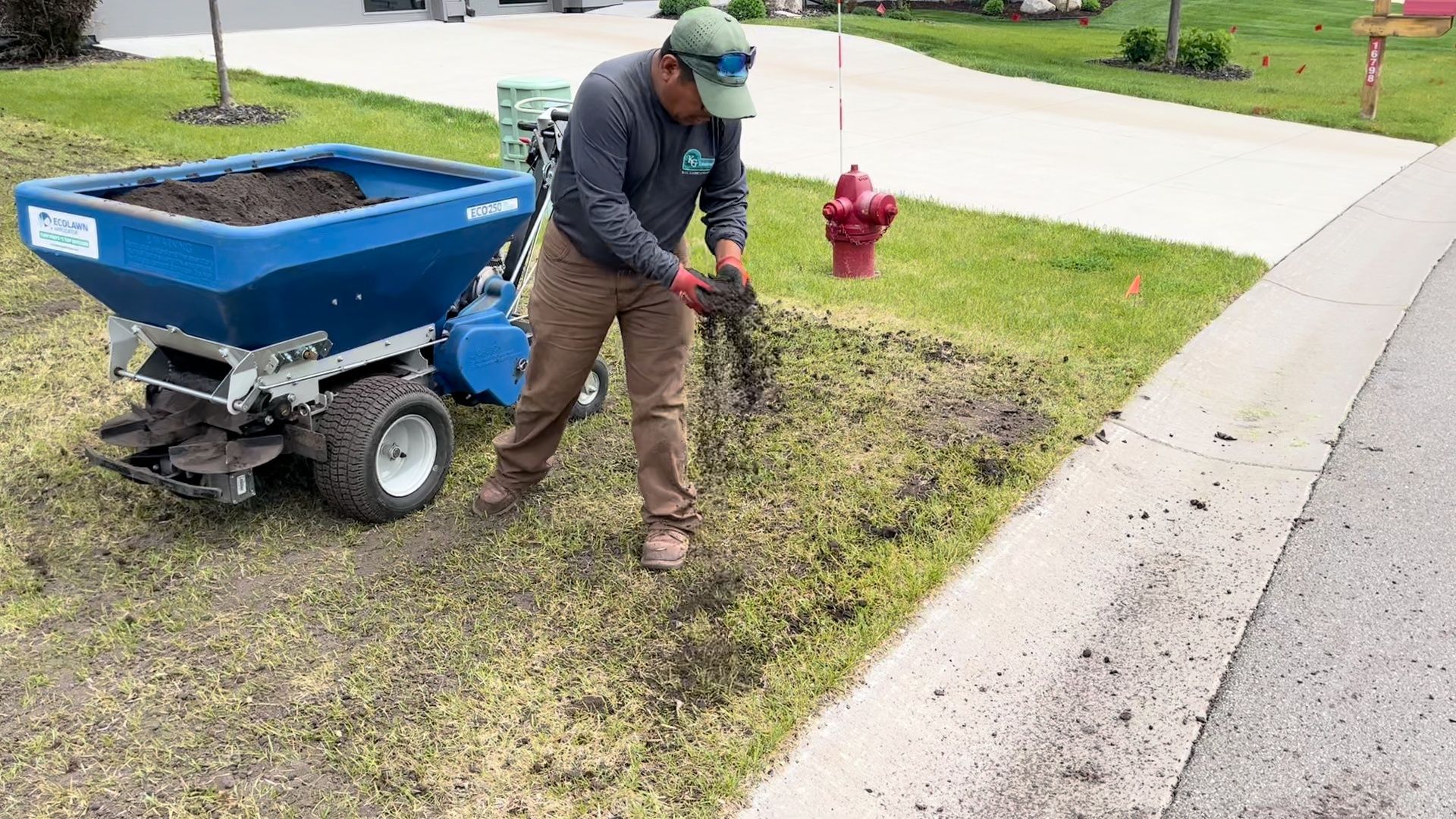
Is compost a fertilizer? Learn what compost does for your Minnesota lawn, how it differs from fertilizer, and when to use it. Get a quote.
Compost feeds the soil, fertilizer feeds the grass. Learn which your Minnesota lawn needs, when to use each, and how to apply both. Get a quote.
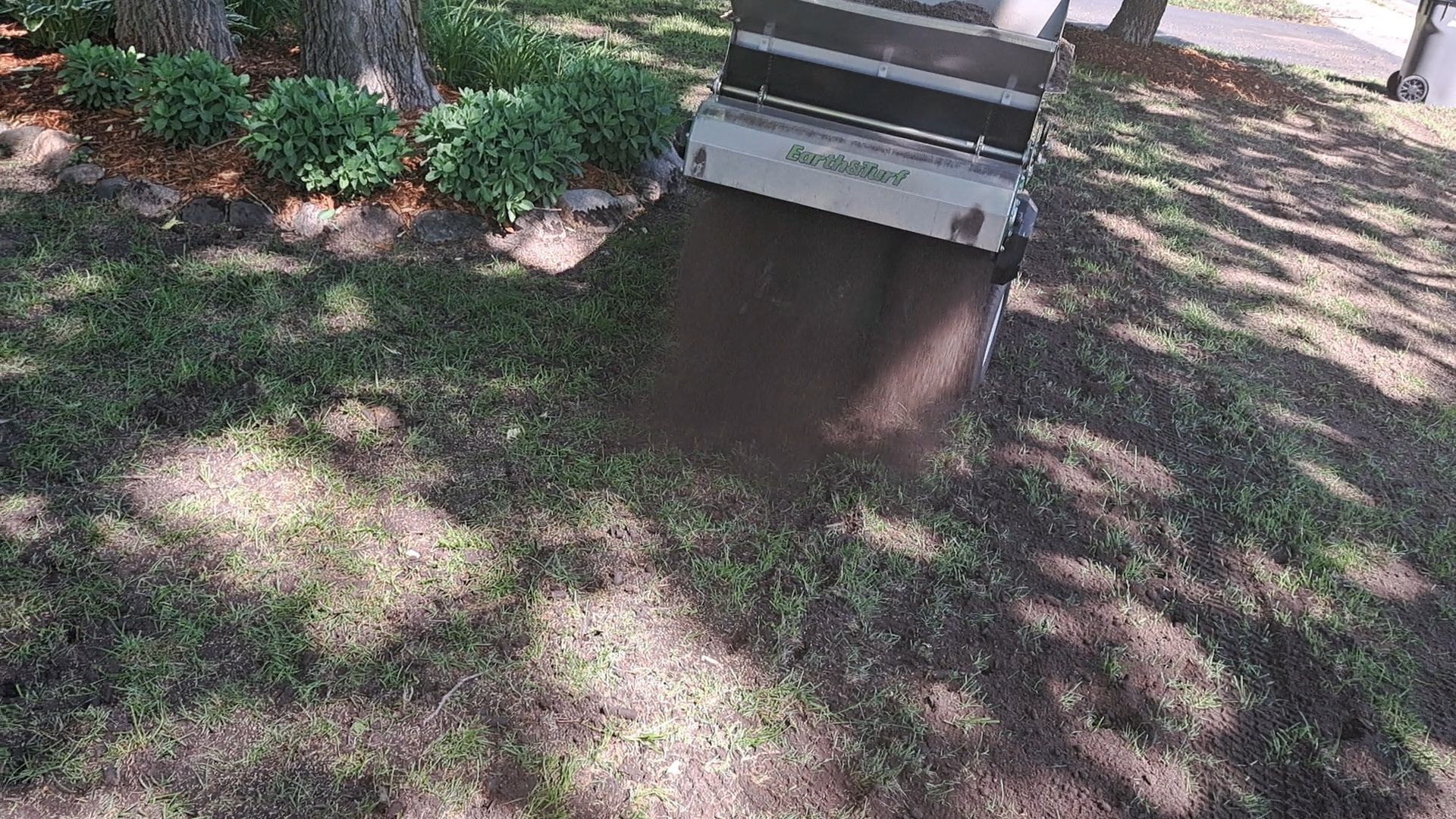
Eco-friendly lawn care tips for Twin Cities yards: cut chemicals, save water, and build healthy soil naturally. Get a free quote.
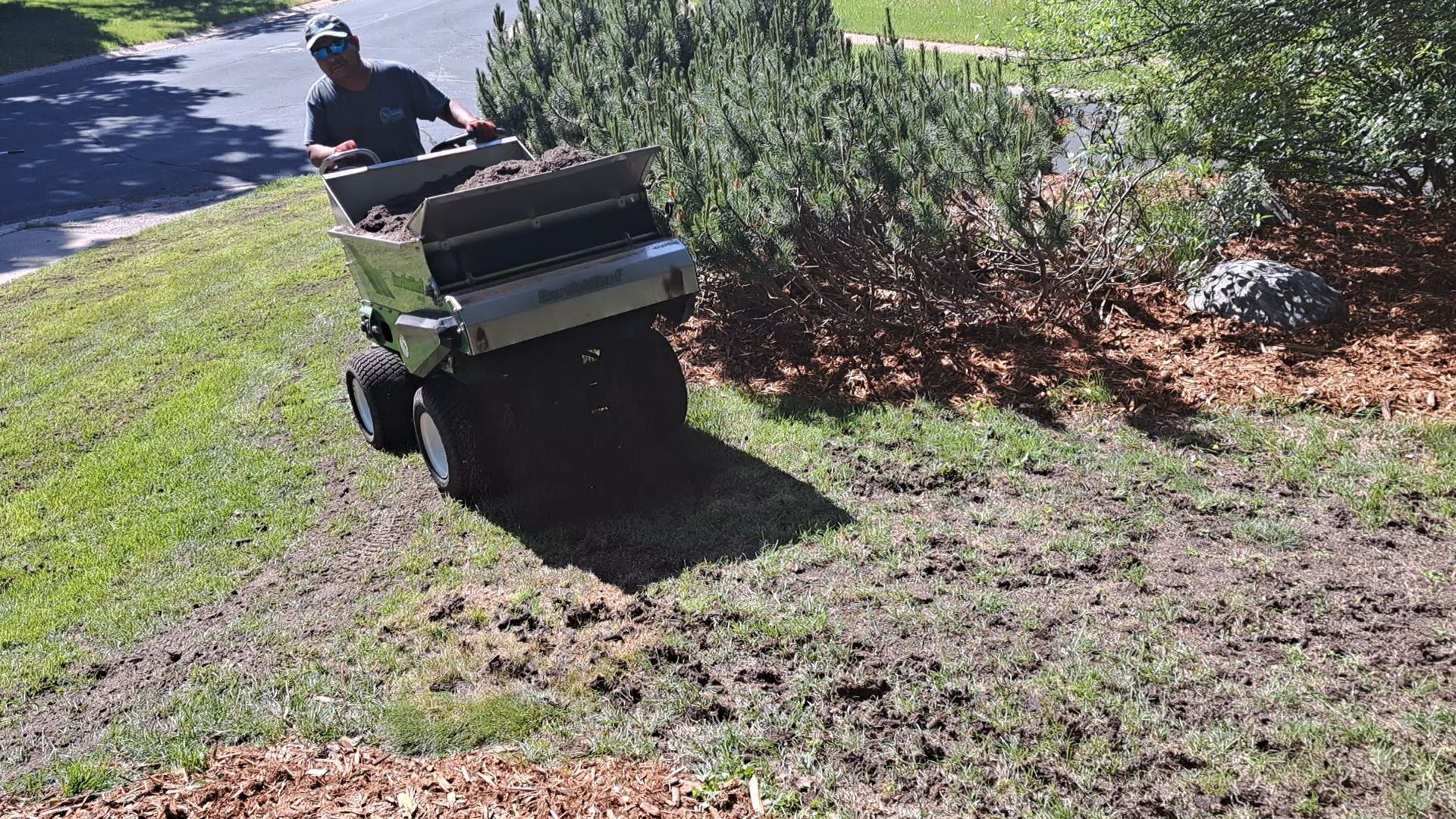
Simple, proven lawn care tips for Minnesota yards: mowing, watering, feeding, and building healthy soil that lasts. Get a free quote.