
The Ultimate Guide To Low-Voltage Landscape Lighting
Landscape lighting can add a high-end look to your home, and makes it safer too. The first step is to choose your lighting. There are many types of lights and fixtures to choose from. Spotlights can highlight specific features, while floodlights can illuminate a wide area for example a pathway or lawn area.You can decide what type of lights you want in which areas with a flashlight. At night, use a flashlight with the ability to switch between spot and flood mode to see how different lighting styles look in different areas.
There are two ways to power your outdoor lighting. Solar-powered lighting is easy to install and has no wiring. The other kind is low-voltage lighting, which plugs into any outdoor GCFI outlet and works great as a decorative touch or to illuminate a path. Solar lighting can be much cheaper but will also likely not last as long and the cheapness of the product may be apparent in comparison to a low-voltage lighting system.
Types of Landscape Lighting Fixtures:
There are 2 main types of landscape lighting fixtures.
Pathway Lights:
Which come in many styles and varieties but generally are tall and have a kind of mushroom cap top. Used for lighting pathways or along the edge of any area where you would like the ground to be lit. Pathway lights are usually much more ornamental than spot lights as they are made to be seen and to be a feature of landscape design.
Spot Lights:
These will usually look like a canister with a hood over the top to direct the light. A well placed spot light can light up a whole tree in your yard or a driveway. The fixture itself is often plain and made to be unnoticeable when installed.
Choosing the Right Bulb for your Landscape Lighting:
It may seem obvious when talking about lighting but of course all the fixtures will require a bulb. This is where you have another choice to make, there are 2 commonly used types of bulb for low-voltage landscape lighting. They are either Halogen or LED, Halogen bulbs have been used in low-voltage landscape lighting for many years and are the most commonly used bulb i the industry. They are cheap and usually interchangeable as the connection in most light fixtures has not changed in many years.
However the newer emerging LED bulbs that are slowly taking over as the most used bulb in the industry have many upsides and improve greatly on the older Halogen bulbs. where before the average life of a bulb (Halogen) was between 1 and 2 years, now LED bulbs often come with a 10 year warranty and it is not unheard of for companies to suggest you can get up to 20 years from their product.
There is a catch with the new longer life LED bulbs however and that is the cost, they are considerably more expensive per bulb but the extended life usually matches if not exceeds the cost of replacing the Halogen bulb 5-6 times in the same time period. The other plus side to LED is they draw a far smaller amount of power and so will cost you much less in electricity in the long run. On top of this the installation time is cut for contractors thus bringing down labor costs. This is due to there being less difficult calculations when figuring out the voltage drop off for each fixture as now numerous LED lights can be added to one run.
So if you have the extra money to pay for LED’s upfront it will pay you in the long run, of course you can always have a low-voltage landscape lighting system installed with the cheaper Halogen bulbs and then upgrade at a later date, as most LED bulbs can be fit into fixtures that still have Halogen connectors.
In conclusion:
Landscape lighting can be one of the best investments you can make if you want to show off your new landscaping or even just highlight your home in the neighborhood.
You can of course tackle the selection, design, purchase and installation of a low-voltage landscape lighting system yourself. If this seems like it may be too daunting for you, then the option to contact a contractor who does all of the above on a daily basis is probably for you. The plus sides of this are the usual, a contractor will stand behind his work, fast and high quality installation.
The post The Ultimate Guide To Low-Voltage Landscape Lighting
appeared first on KG Landscape Management.
Ready to Start on Your Next Project?
Call us at (763) 568-7251 or visit our quote page.
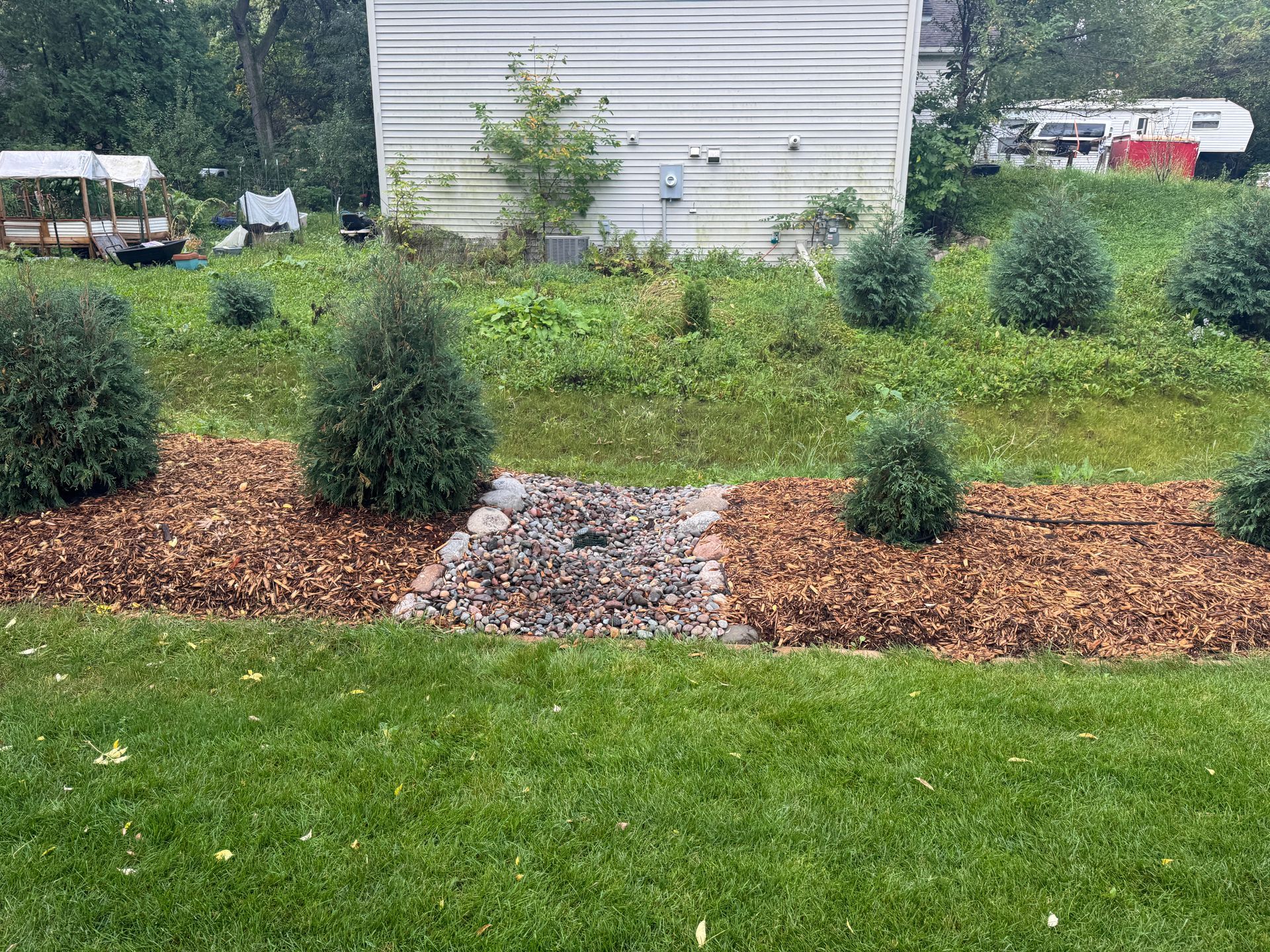
The legendary architect Louis Sullivan coined a phrase that has driven architecture and design ever since: "form follows function." While aesthetics are critical to buildings and landscapes alike, that physical beauty must always remain secondary to the fundamentals of good design. In Shoreview, Minnesota, just outside St. Paul , we encountered a landscape where, unfortunately, function followed form. Here, the realities and principles of effective drainage were downstream of their original builder's aesthetic choices. That meant water from snowmelt and rainfall was streaming into parts of the lawn where it wasn't meant to be. The standing water that had been allowed to collect in the back and side yards was putting a considerable amount of the property out of play. In order to reclaim usable space and rethink the way the land handled water, this Shoreview homeowner entrusted KG Landscape with identifying key issues, presenting potential solutions, and doing the necessary work the client decided upon to restore their lawn.
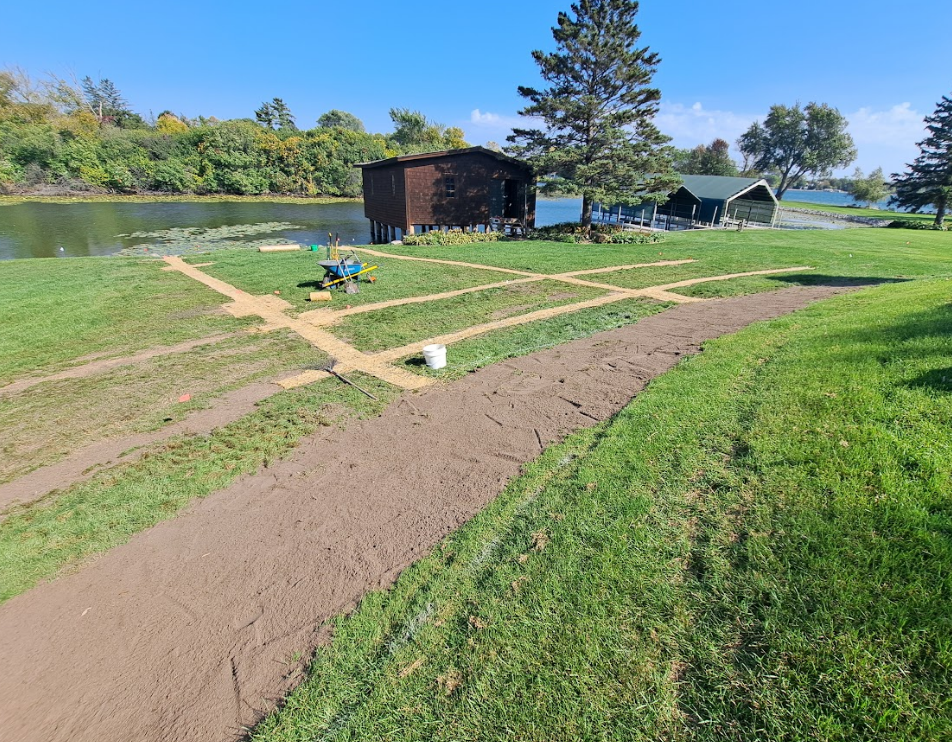
On the shores of Lake Minnetonka, perhaps the most famous of Minnesota's 10,000 lakes, an Orono, Minnesota homeowner was struggling with a back yard that was becoming more marsh than yard. The yard was a scenic one. The back porch opened up to the top of a small hill, which rolled down toward the lakefront and the boathouse. This flat space between the hill and the water would be ideal for backyard barbecues, some low-stakes games of bocce and badminton, or simply a spot to lay down a towel and get some summer reading done. Instead, this area was too waterlogged to enjoy. The runoff from the hilltop combined with unfavorable soil composition were limiting the use of the yard, closing off space while even diminishing the quality of the turf. How would this homeowner be able to reclaim this unusable land without disrupting the Lake Minnetonka shoreline that made the property so attractive? To find a solution, they turned to KG Landscape.
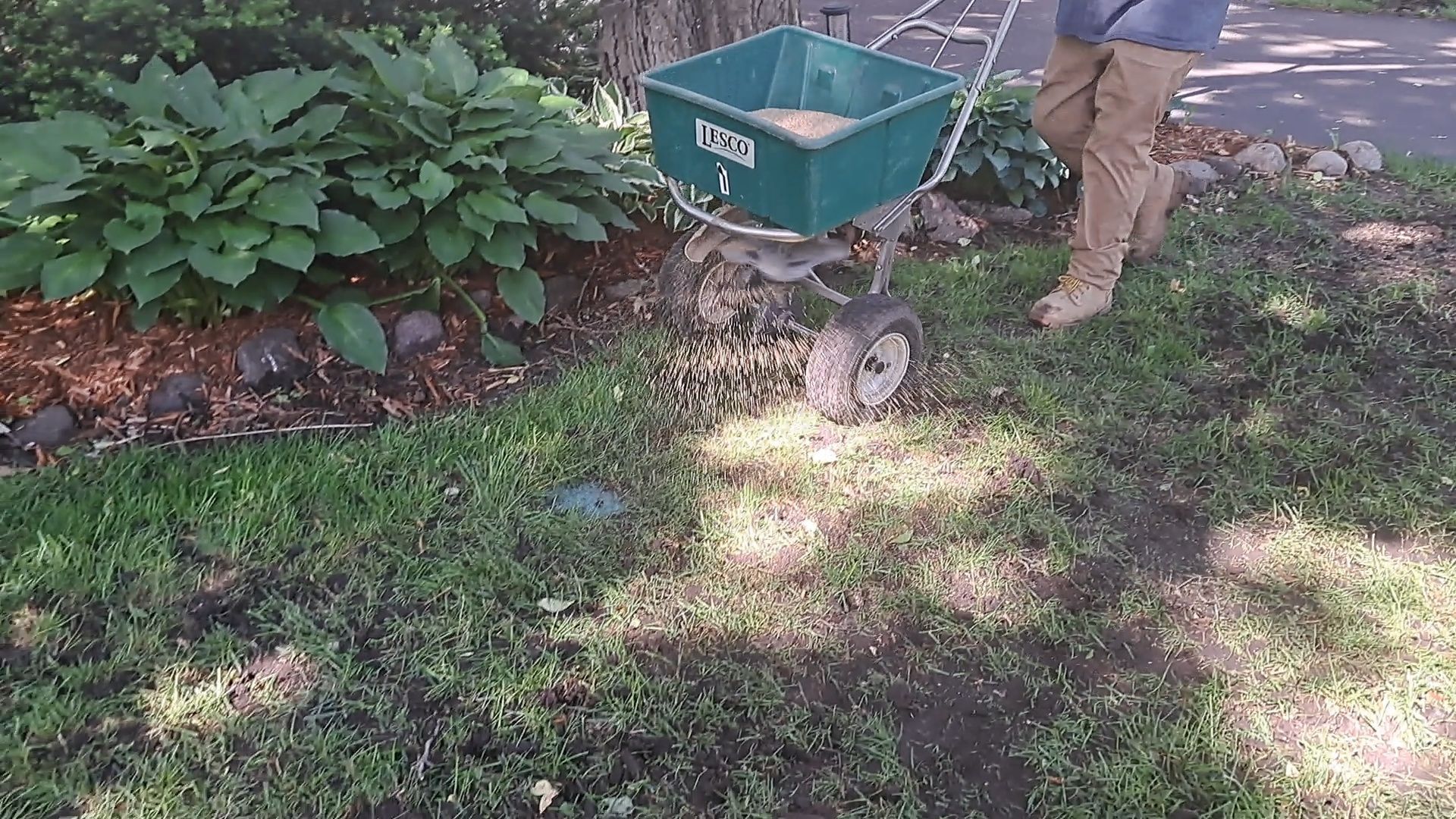
Can you use compost as lawn fertilizer in Minnesota? Learn how compost feeds turf, how to apply it, and where it fits. Get a free quote.
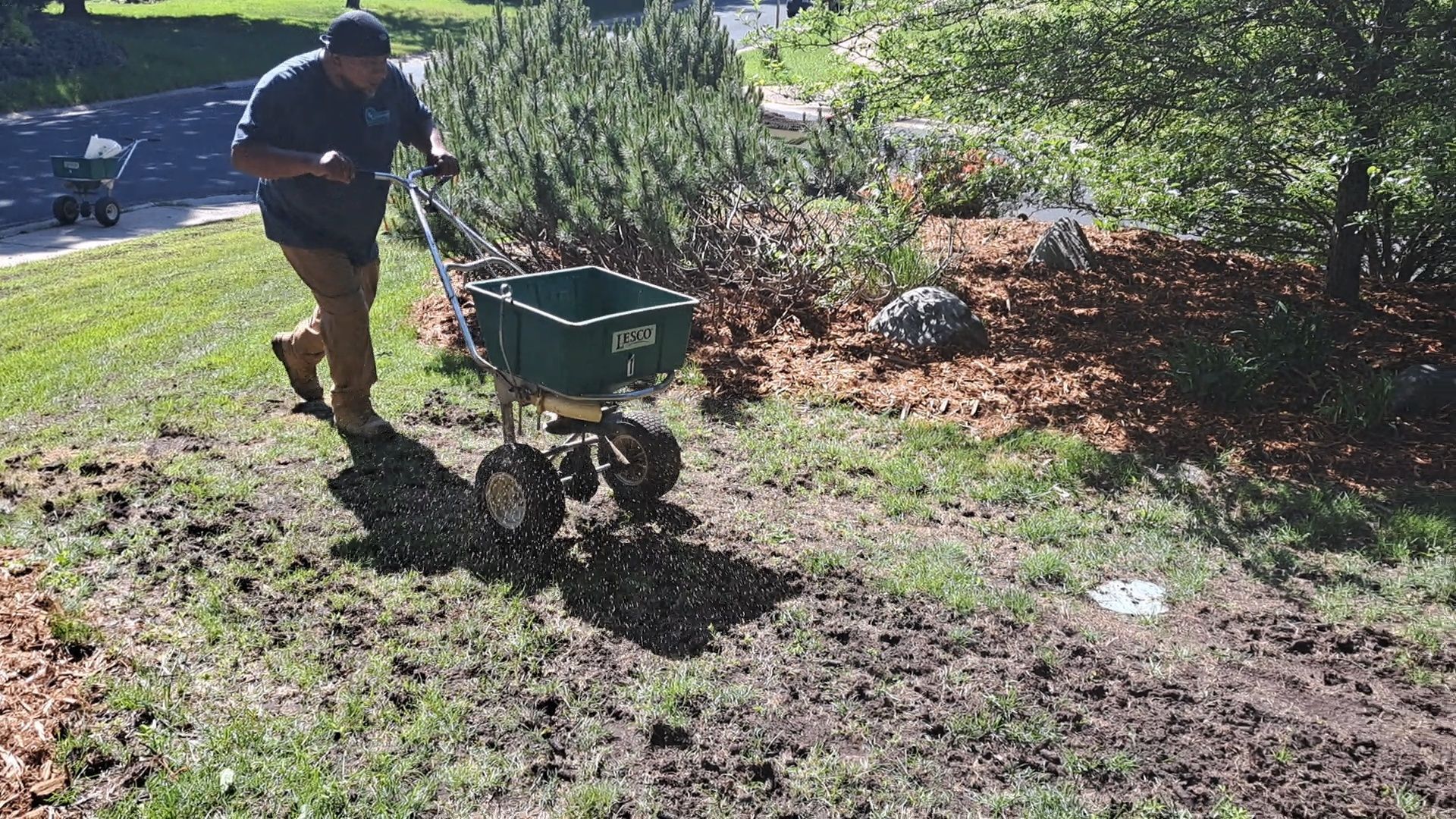
Organic weed control for Minnesota lawns: what works, what doesn't, and how to manage weeds without harsh chemicals. Get a quote.

Keep your lawn and your pets safe. Pet-safe lawn care tips for Minnesota yards, from products to timing. Get a free quote.
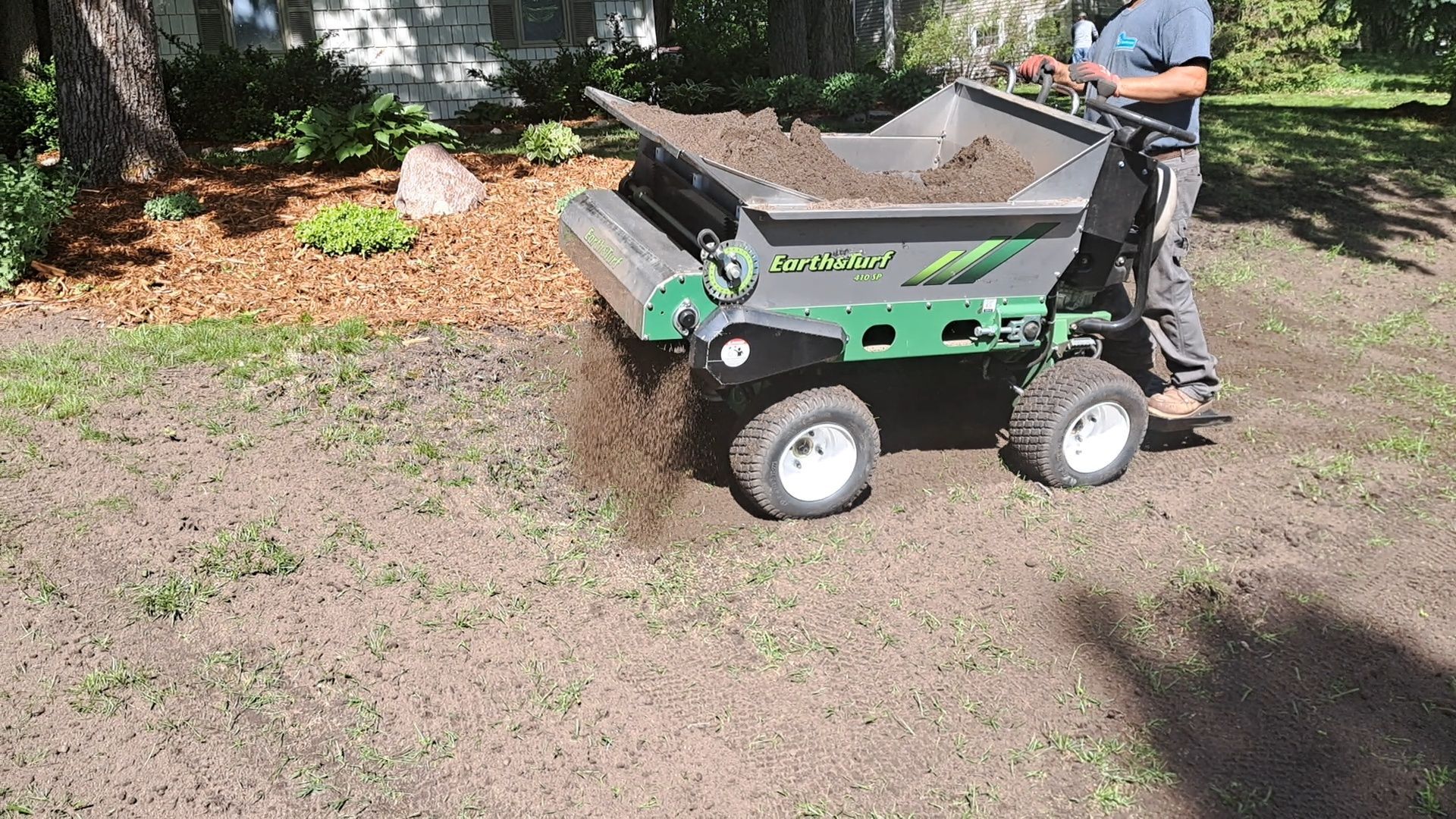
Looking for the best organic lawn fertilizer in Minnesota? See top options, how they feed your turf, and what KG uses. Get a quote.
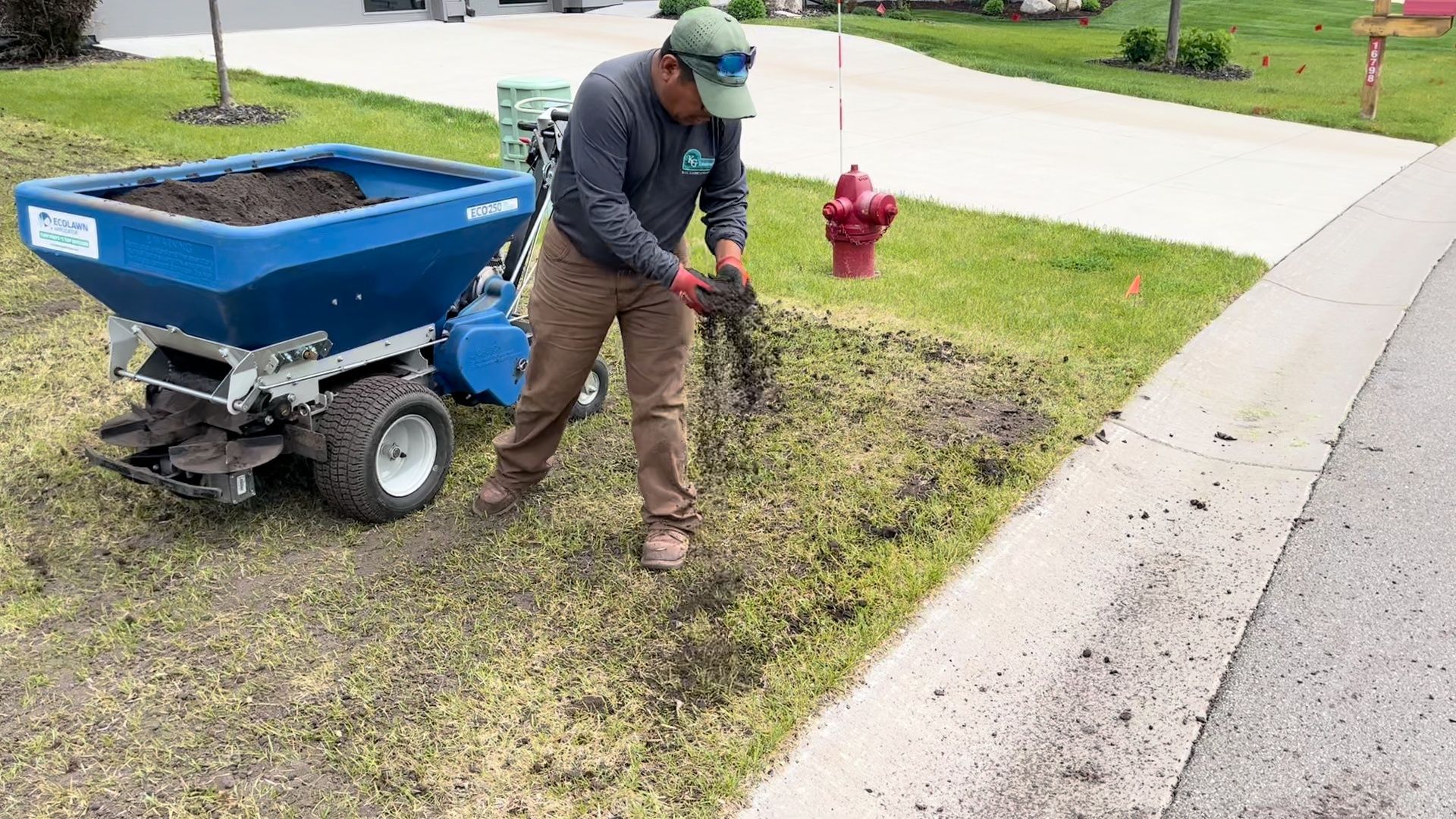
Is compost a fertilizer? Learn what compost does for your Minnesota lawn, how it differs from fertilizer, and when to use it. Get a quote.
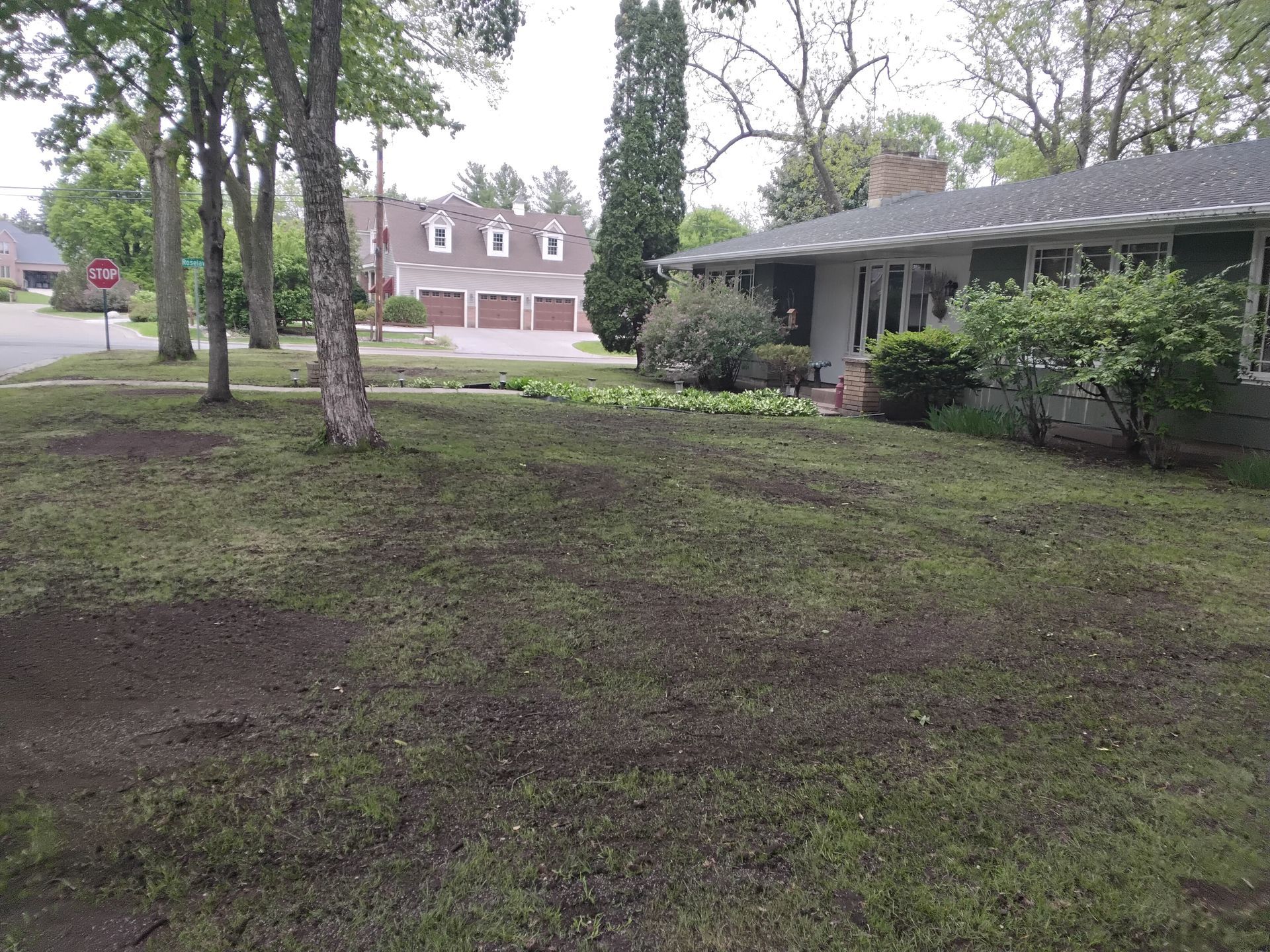
Compost feeds the soil, fertilizer feeds the grass. Learn which your Minnesota lawn needs, when to use each, and how to apply both. Get a quote.
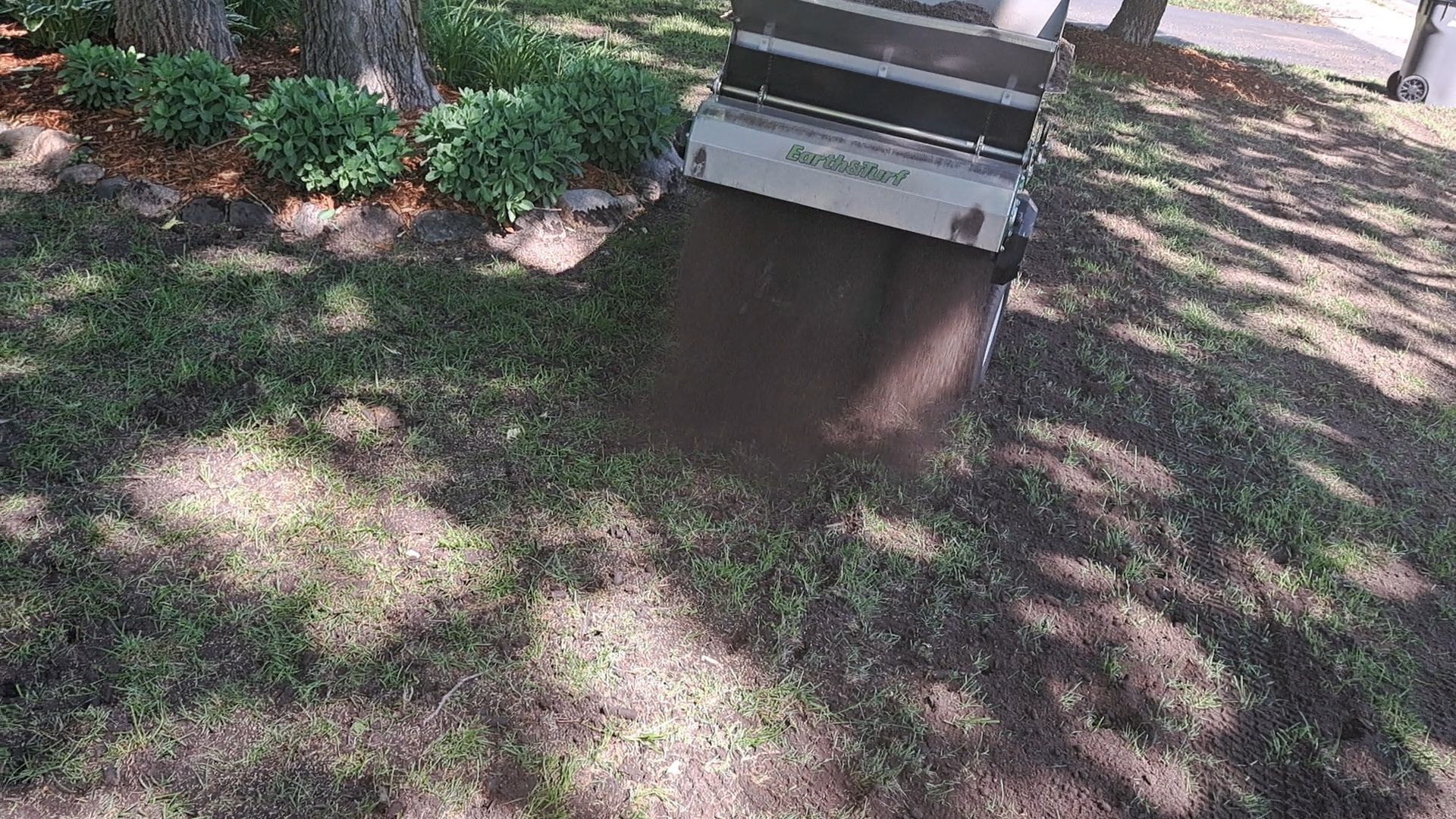
Eco-friendly lawn care tips for Twin Cities yards: cut chemicals, save water, and build healthy soil naturally. Get a free quote.
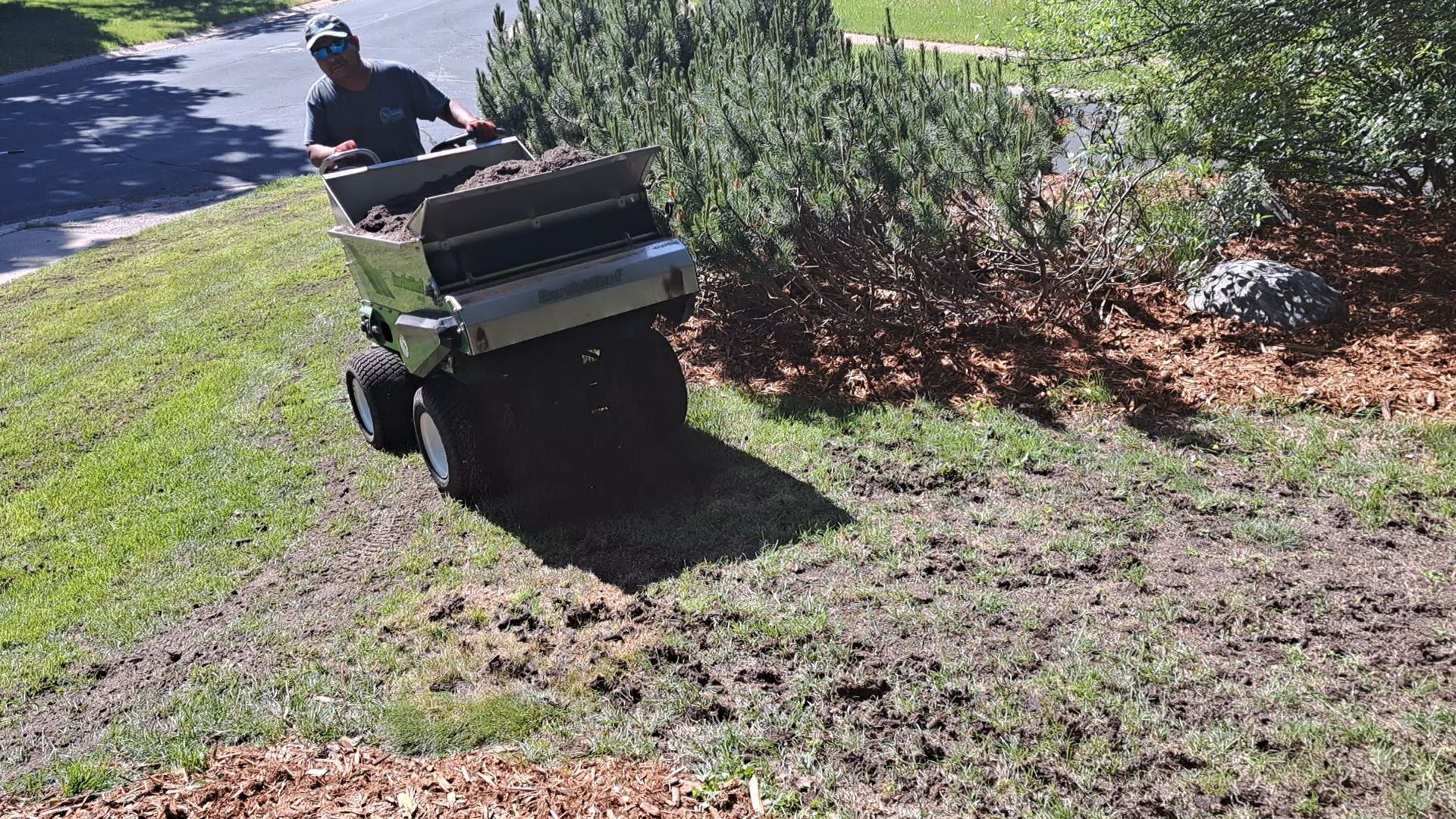
Simple, proven lawn care tips for Minnesota yards: mowing, watering, feeding, and building healthy soil that lasts. Get a free quote.