
The Best Flowering Trees for Zones 4-5
When you live in a cold environment like Minnesota, you might think your options are limited as far as landscaping is concerned. However, this is far from the truth. Minnesota and most of the surrounding Midwestern states fall within plant hardiness zones 4 and 5, and many eye-catching ornamental flowering tree species thrive in this locale. Let’s get a better sense of what plant hardiness zones mean and find the best flowering trees to take your home’s landscape design to the next level.
Understanding Plant Hardiness Zones
Ornamental flowering trees make a great addition to your Minnesota landscape design, but it’s no use if the species you choose can’t withstand the cold weather. Plant hardiness zones indicate the conditions necessary for a species to survive and flourish. There are a few things taken into consideration when determining the geographic area of a plant hardiness zone:
Minnesota mostly falls within plant hardiness zones 4 and 5. To get a more thorough understanding of the conditions in Minnesota or other areas around the country, you can use this interactive map
from the U.S. Forest Service.
7 Stunning Flowering Tree Species for Zones 4-5
Trees in plant hardiness zones 4 and 5 have to be hardy and withstand brutal, cold, and often unpredictable weather conditions. Selecting a tree species
for your landscaping can be difficult if you don’t know what you’re looking for. The following flowering trees are some of the most durable for landscape design and will flourish quickly for almost any Minnesota property owner:
1. Weeping Cherry Trees
We’ll start our list with a spectacular flowering tree species, Prunus spp., or the Weeping Cherry Tree. You’re probably familiar with towering weeping willow trees as well as the world-famous cherry blossom trees in Washington DC, but what do you get when you combine both? Well, one of the most beautiful flowering trees in plant hardiness zones 4 and 5, of course!
Weeping cherry trees enjoy full sun exposure and need nice, moist mulch to thrive in these zones.
At the peak of their bloom, these trees produce cascading pink and white flowers from vine-like branches. Since these types of trees prefer the full sunshine, it’s best to plant them as singular trees instead of grouping a few trees together.
2. Eastern Redbud
Eastern Redbuds are a great addition to any landscape design. These early-blooming trees produce vibrant pink flowers on branches that are typically still bare from the winter. You can expect your Redbud trees to bloom in early April, as they long as they receive adequate sunlight and moist but well-draining soil.
3. Saucer Magnolias
Magnolia trees are a magnificent specimen, but one variation that thrives best in zones 4 and 5 is the Saucer Magnolia. As the name suggests, this flowering tree species will produce a large, white or pink, saucer-like flower in late spring. Saucer Magnolia trees have some specific growing conditions, requiring:
4. Hawthorn Trees
Hawthorn trees are a versatile and vibrant flowering tree species that you can utilize throughout your yard’s landscaping. These delightful shade trees attract songbirds during spring and summer with their brightly colored berries and provide gorgeous blooms in a range of eye-catching colors. Some examples of Hawthorn species that will thrive within zones 4 and 5 includes:
Hawthorn trees can have flowers that bloom in colors ranging from whites and light pinks to red, orange, and yellow. These stunning shade trees look great in small groupings or as a standalone statement tree in your landscaping.
5. Flowering Crabapple Trees
Another excellent addition to any landscape design is a flowering crabapple tree. The white buds of flowering crabapple trees transform into soft, fragrant flowers in white, pink, or red shades. In the fall, the leaves turn to a rich shade of red before falling off to reveal lush crabapple fruits.
The fruit that these trees produce often attracts several types of interesting animals. Squirrels, chipmunks, and a wide variety of bird species are intrigued by the big, red fruit and pay your property a visit. Flowering crabapple trees are a vibrant choice for your landscape design. Plant these trees in full sun and well-drained soil, with room to grow outward to offer more shade from its canopy.
6. Japanese Tree Lilacs
If you’re looking for a more exotic type of flowering tree species to grow in zones 4 or 5, Japanese tree lilacs are a lovely option. Clusters of aromatic white flowers burst open in early summer, filling your property with a sweet fragrance for 2 to 3 weeks.
Although these trees only bloom for a short period of time, it’s actually advantageous since most spring-blooming trees and flowers are already past their prime season. Japanese tree lilacs like full sunlight and well-drained soil, and you can find these trees at your local nursery.
7. Dogwood Trees
The final option on our list of flowering trees is the dogwood tree. This small specimen looks attractive in all seasons. Spring flower blooms can offer a pop of pink to your property, while the tree’s glossy green leaves turn to a gorgeous red as the seasons change to fall. In winter, the interesting branch patterns look striking against a stark winter sky.
Dogwood trees are an excellent option for zones 4 and 5 because they are hardy and durable. With full sun or partial shade and well-drained soil, these trees will thrive in colder climates. Utilize small groupings of dogwood trees in your landscaping for additional color from spring to fall.
Wrapping Up
Planting ornamental flowering tree species
strategically throughout your yard’s landscaping can add to your property and boost curb appeal immensely. It’s crucial to consider your local environment and understand plant hardiness zones. Working with an experienced landscaping service familiar with the local climate will leave less room for error, ensuring that you end up with a beautiful, thriving landscape design.
The post The Best Flowering Trees for Zones 4-5
appeared first on KG Landscape Management.
Ready to Start on Your Next Project?
Call us at (763) 568-7251 or visit our quote page.
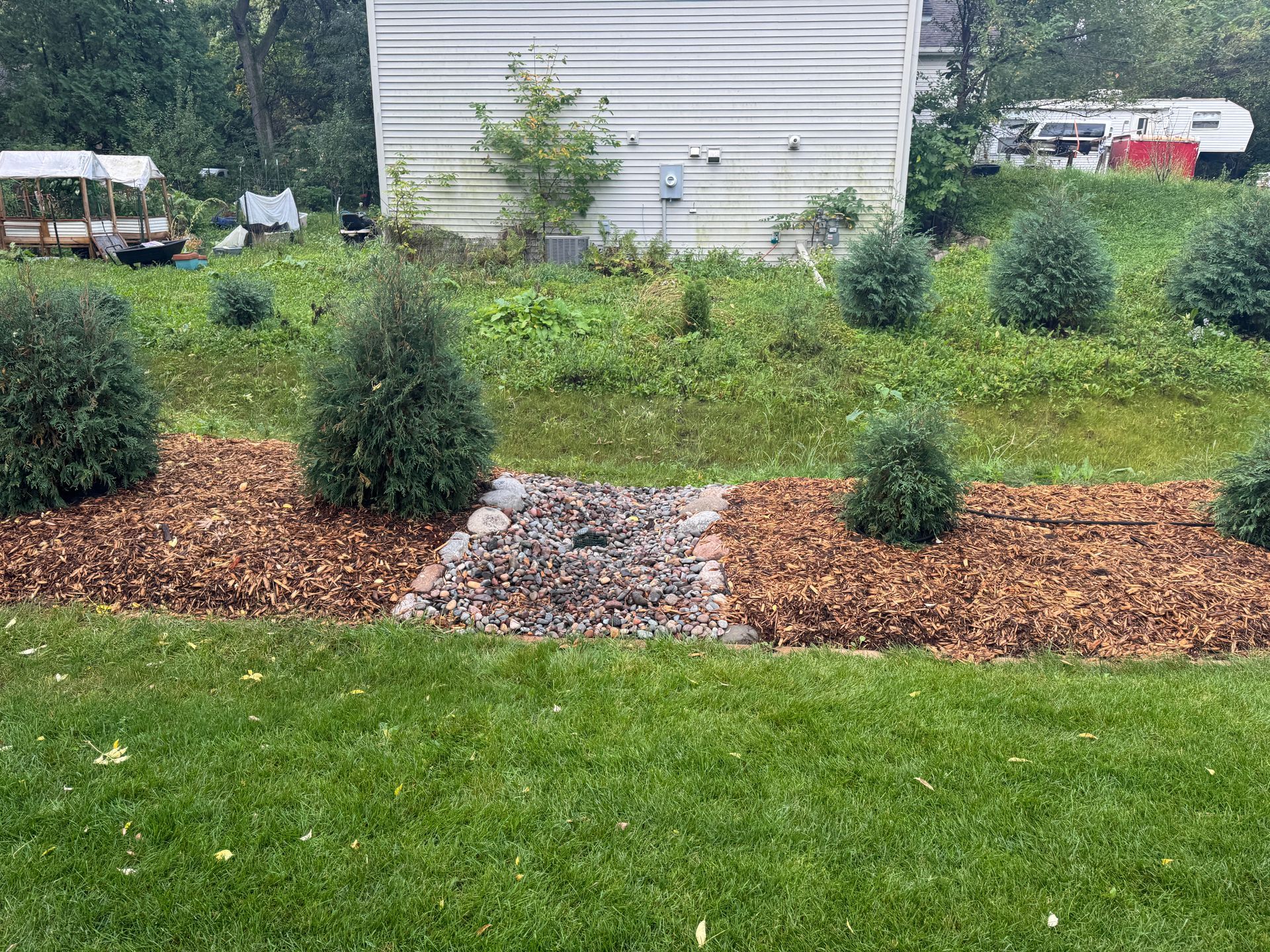
Learn how KG Landscape restored a backyard swale in Shoreview, MN, fixing drainage issues. Contact us for expert landscaping solutions!
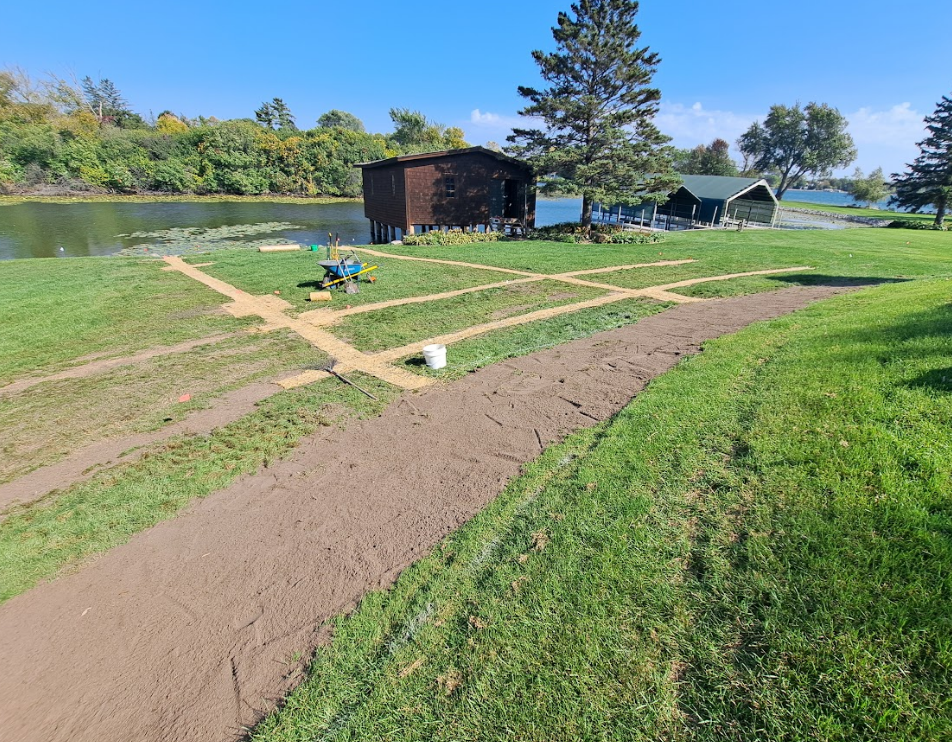
Learn how KG Landscape solved a waterlogged yard issue in Orono, MN. Contact us for eco-friendly drainage solutions today!
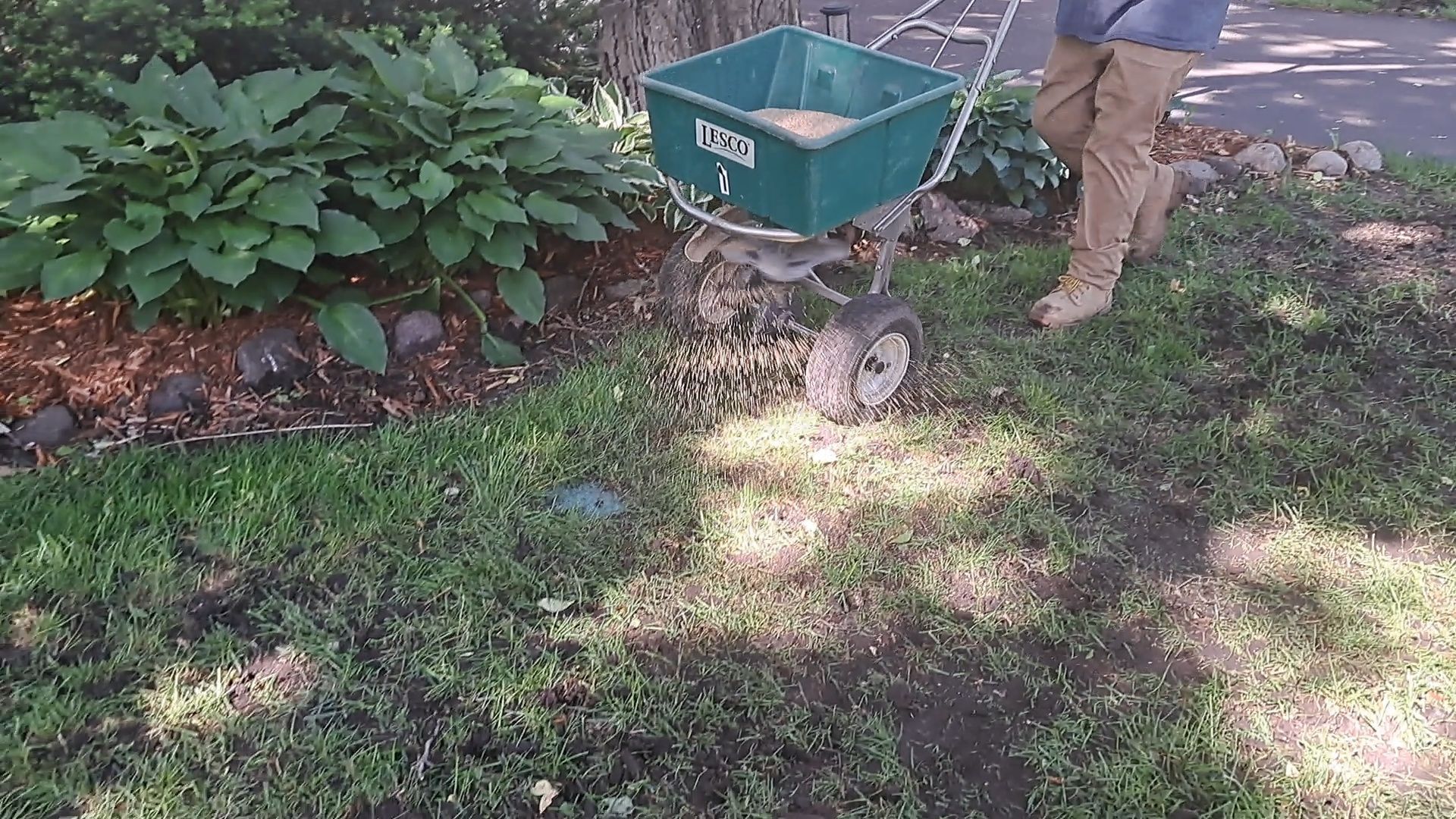
Can you use compost as lawn fertilizer in Minnesota? Learn how compost feeds turf, how to apply it, and where it fits. Get a free quote.
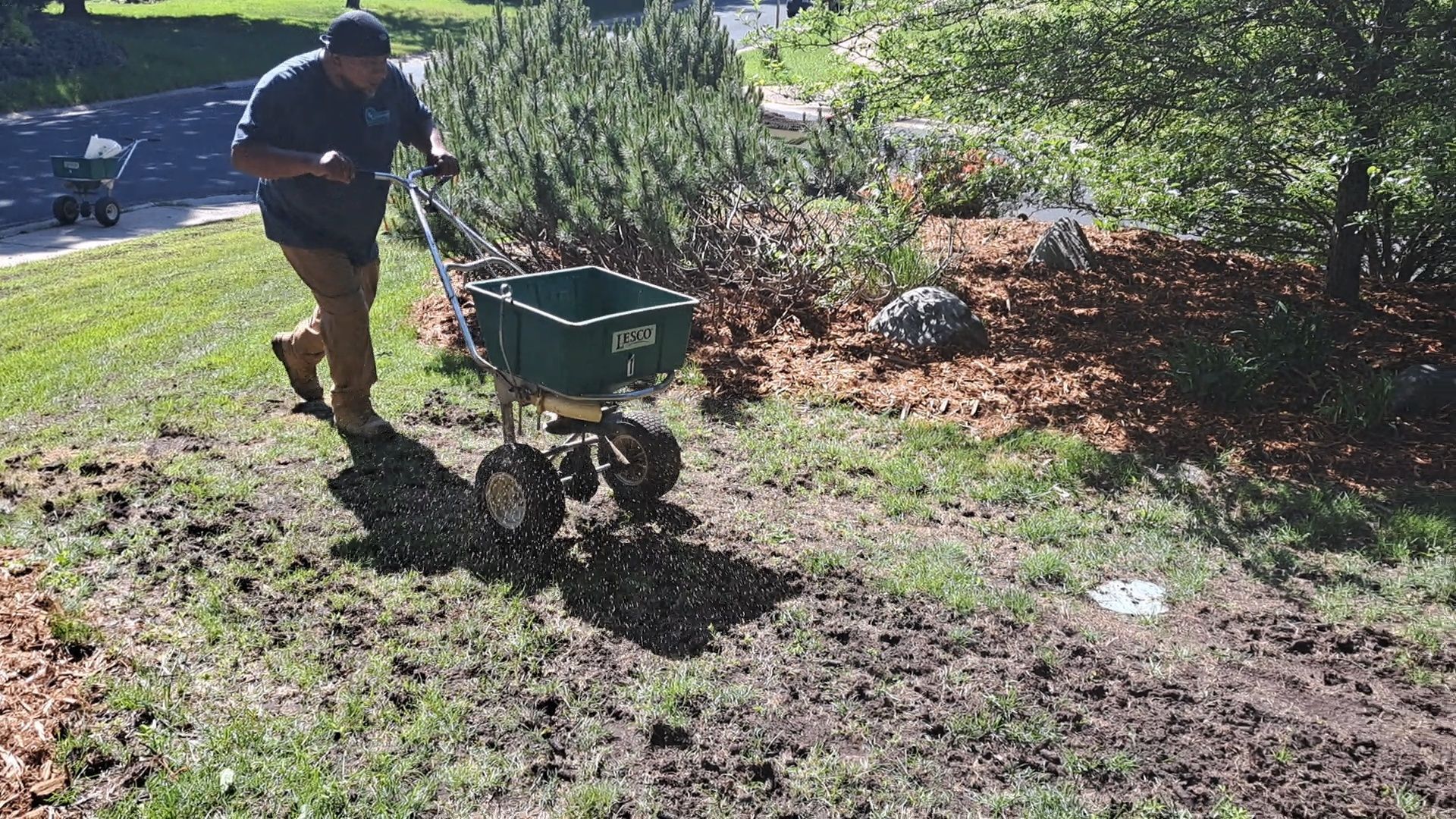
Organic weed control for Minnesota lawns: what works, what doesn't, and how to manage weeds without harsh chemicals. Get a quote.

Keep your lawn and your pets safe. Pet-safe lawn care tips for Minnesota yards, from products to timing. Get a free quote.
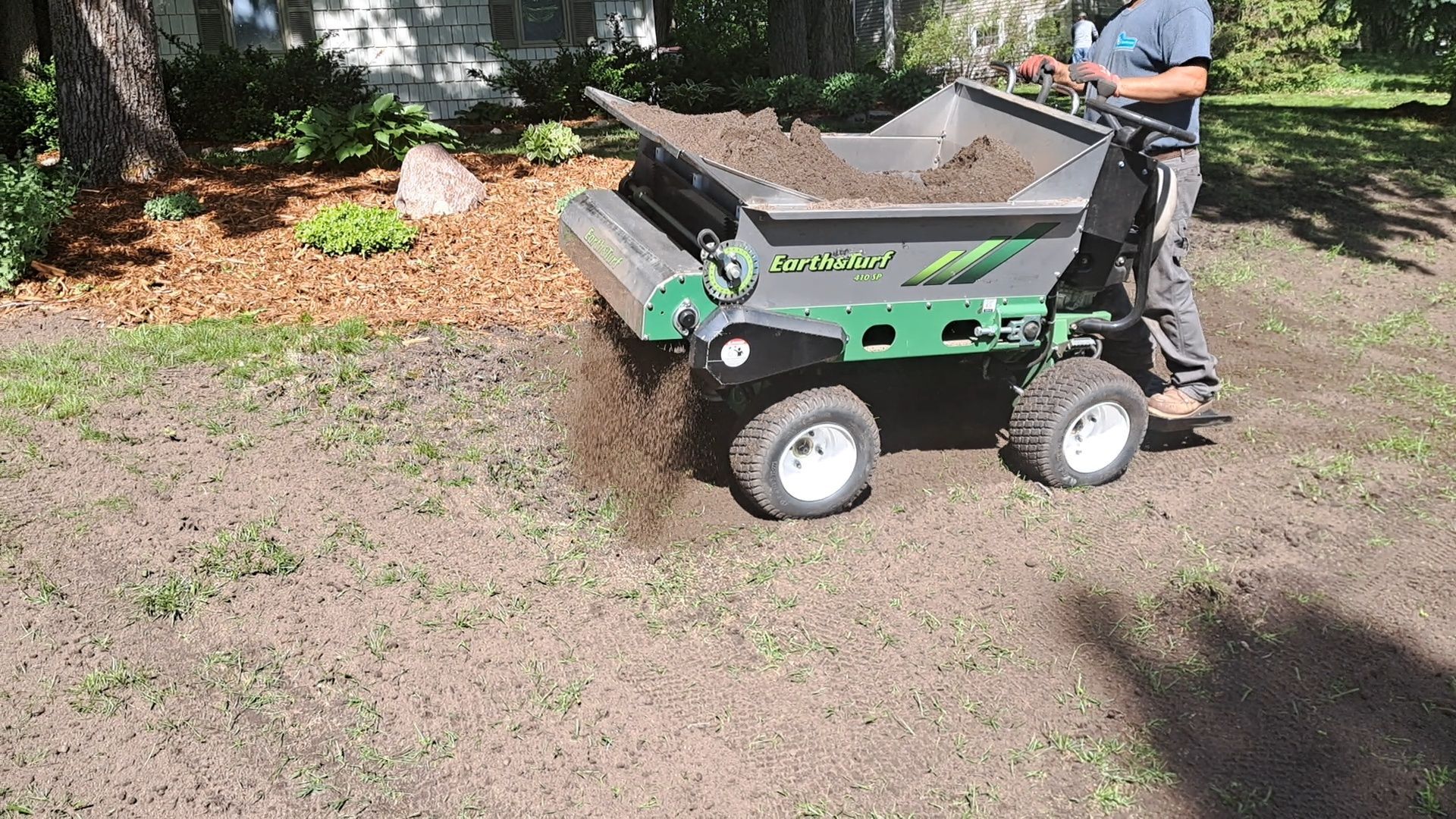
Looking for the best organic lawn fertilizer in Minnesota? See top options, how they feed your turf, and what KG uses. Get a quote.
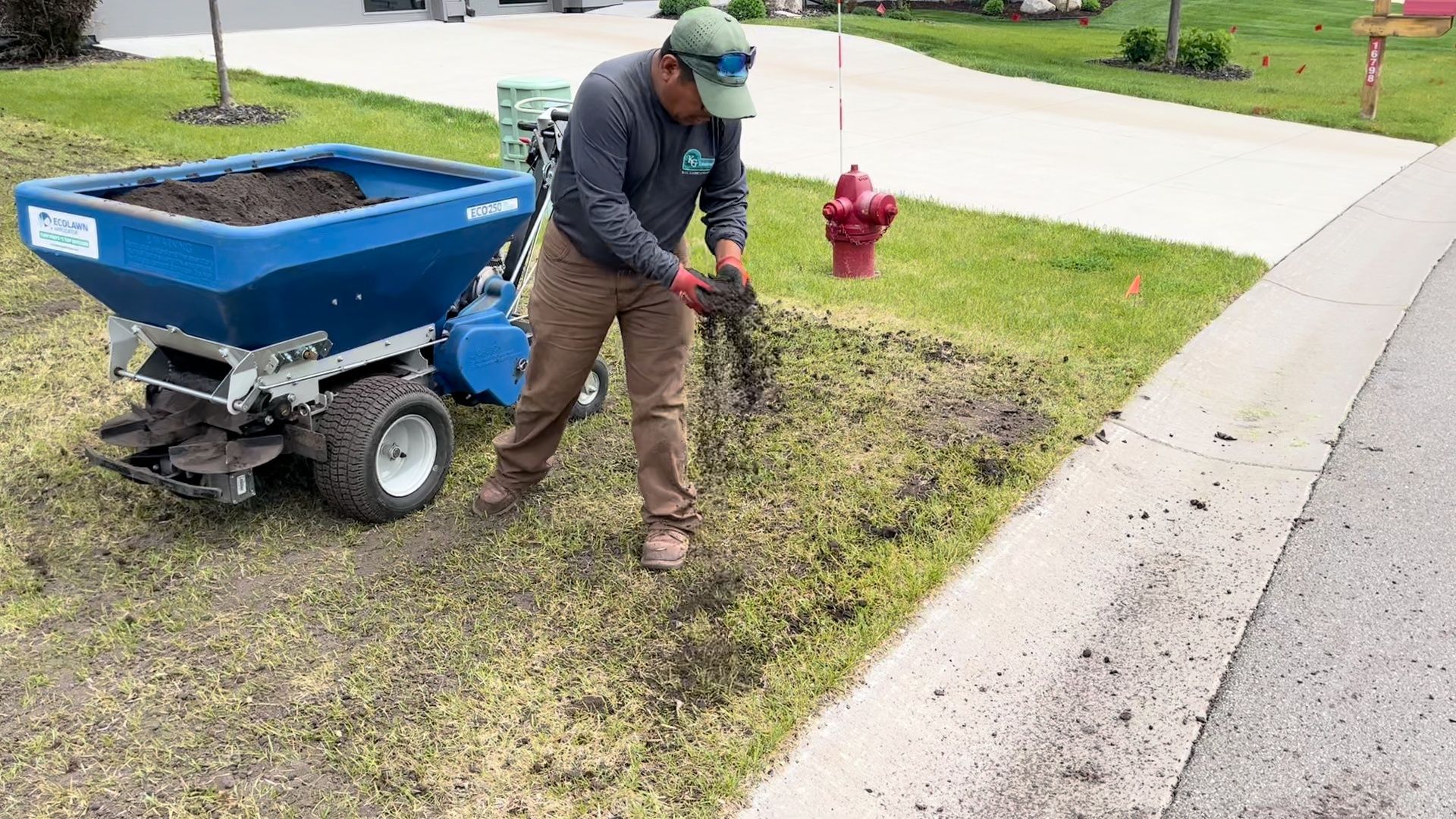
Is compost a fertilizer? Learn what compost does for your Minnesota lawn, how it differs from fertilizer, and when to use it. Get a quote.
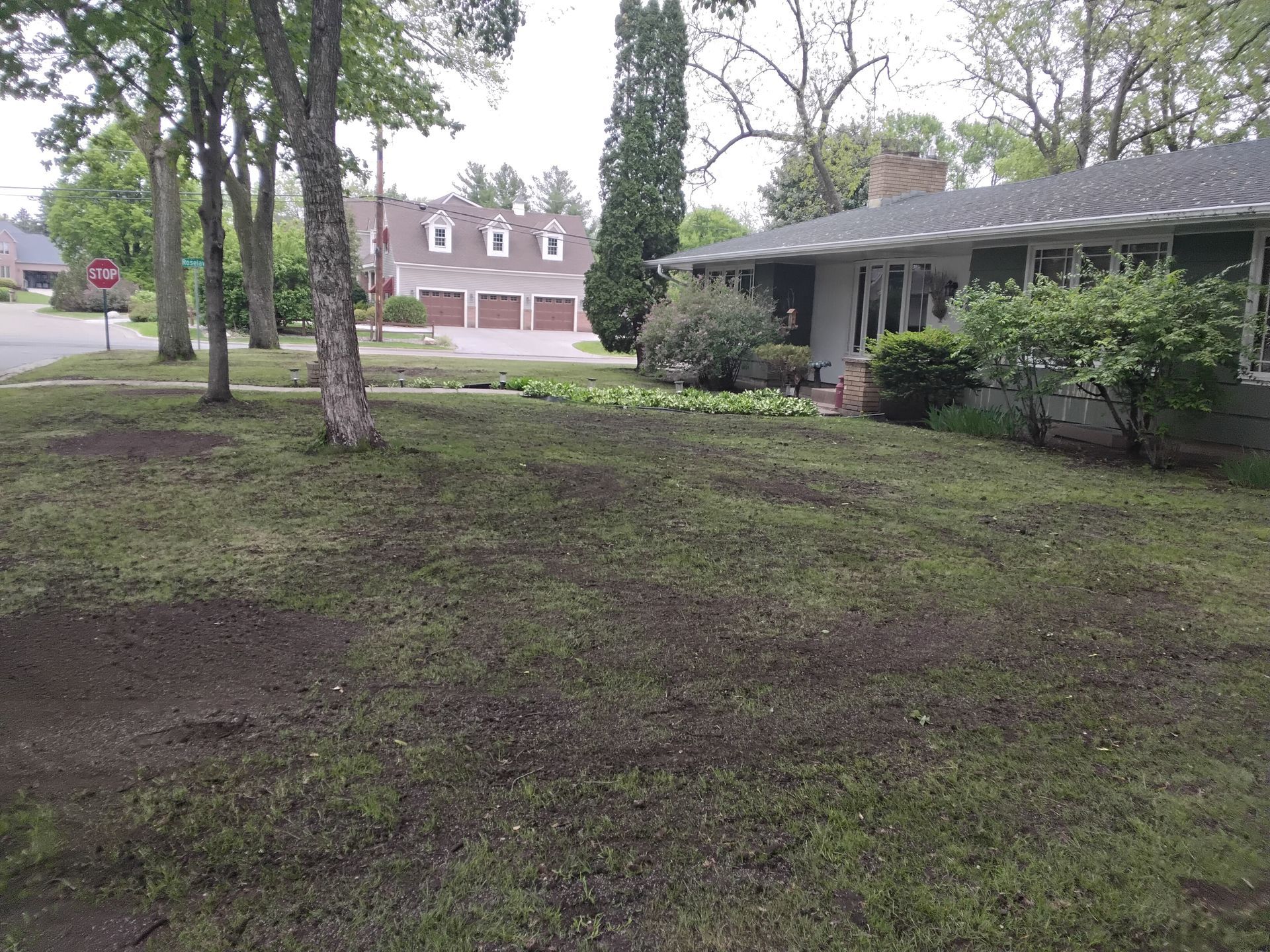
Compost feeds the soil, fertilizer feeds the grass. Learn which your Minnesota lawn needs, when to use each, and how to apply both. Get a quote.
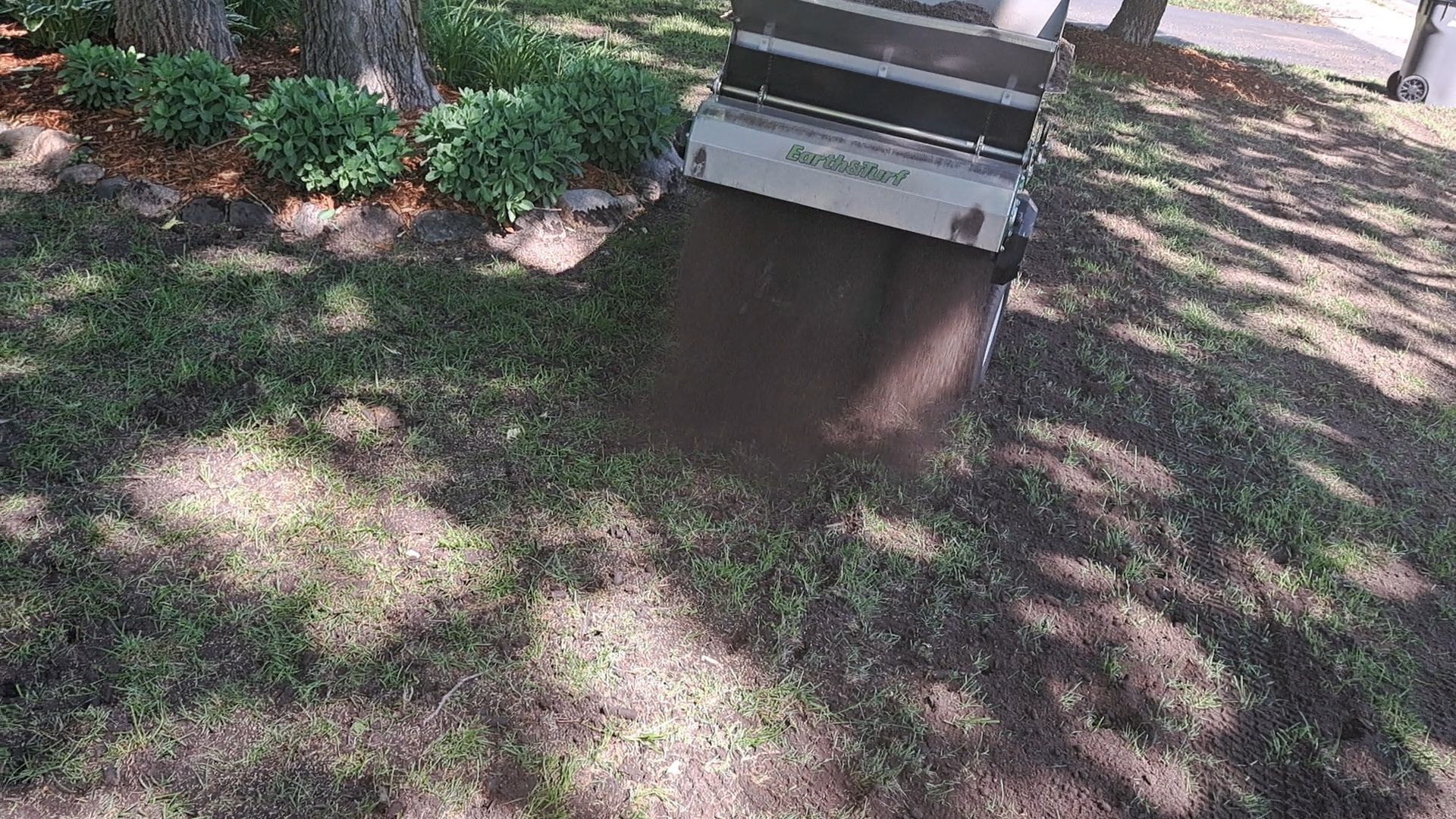
Eco-friendly lawn care tips for Twin Cities yards: cut chemicals, save water, and build healthy soil naturally. Get a free quote.
Simple, proven lawn care tips for Minnesota yards: mowing, watering, feeding, and building healthy soil that lasts. Get a free quote.