
Low Mow & Bee Friendly Lawn Ideas for MN
There is a growing movement to contest the stereotype that a lush green and weed free lawn is a sensible lawn practice due to their water-hungry and labor-intensive nature. Initiatives like ‘sustainable landscaping’, ‘xeriscaping”, ‘no mow May’ and ‘bee friendly lawns’ have become popular trends throughout our state and country in recent years. If you're looking for alternatives to traditional lawns, you've come to the right place as we’ll discuss the various benefits of low mow lawns and provide ideas on selecting the best grass for your property.
The typical Minnesota lawn has high inputs for water, fertilizer, pesticides, herbicides and maintenance requirements to care for it. While the maintenance is relatively routine and ingrained into our weekly lives as Americans, could it be done better and be more sustainable?
Alternatives such as low-mow lawn mixes are more drought-resistant than a traditional turf grass. Meaning you’ll save money on your water bill. They are often more friendly to the environment, require less of those pesky chemicals and help reduce erosion and runoff. Not only that, but they offer a much softer feel on bare feet than a typical mowed grass, perfect for those hot summer days when all you want to do kick back and relax in the sun. No matter which option you choose you’ll know that you are doing your part to improve neighborhood’s ecology.
Starting a Low Mow Lawn
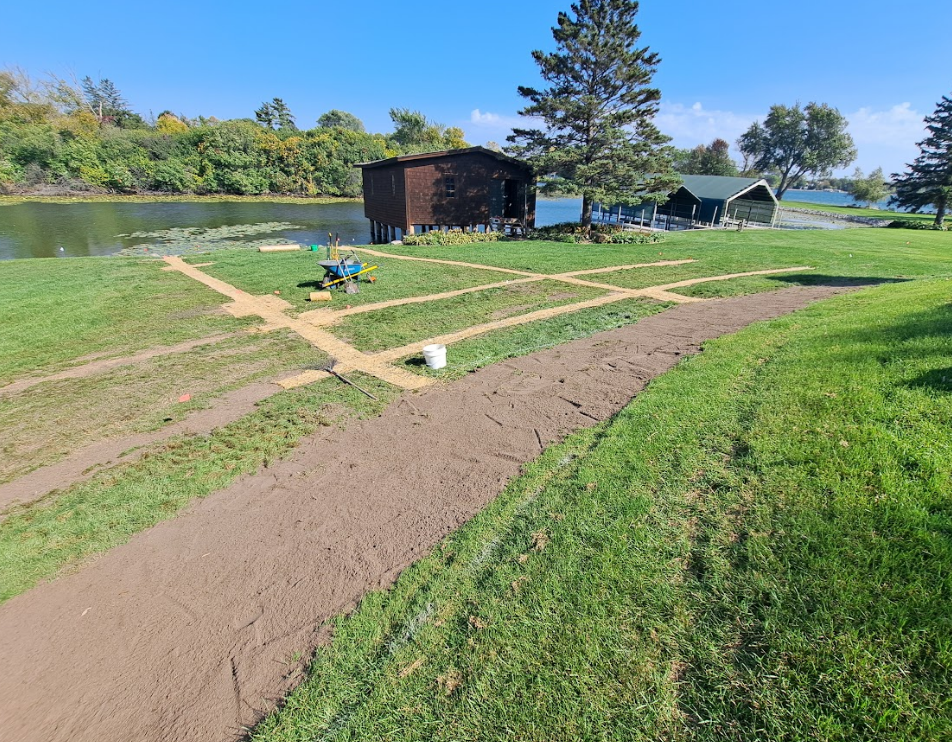
Low-mow seed mixes have been available about 20 years to the professional market, but can now be found at your local garden center and though local native seed companies. Planting is not as simple as spreading grass seed – there is a bit more to it. When we aim for a dense, healthy planting, it’s valuable to remove all the old grass and weeds and start from bare soil. Use sod-cutting, smothering, or other ways to remove the existing lawn and make way for a new mix (consult a professional if you’re unsure). The best time would be to use July and August to create the “blank slate.” Then sow the new lawn afterSept. 1.
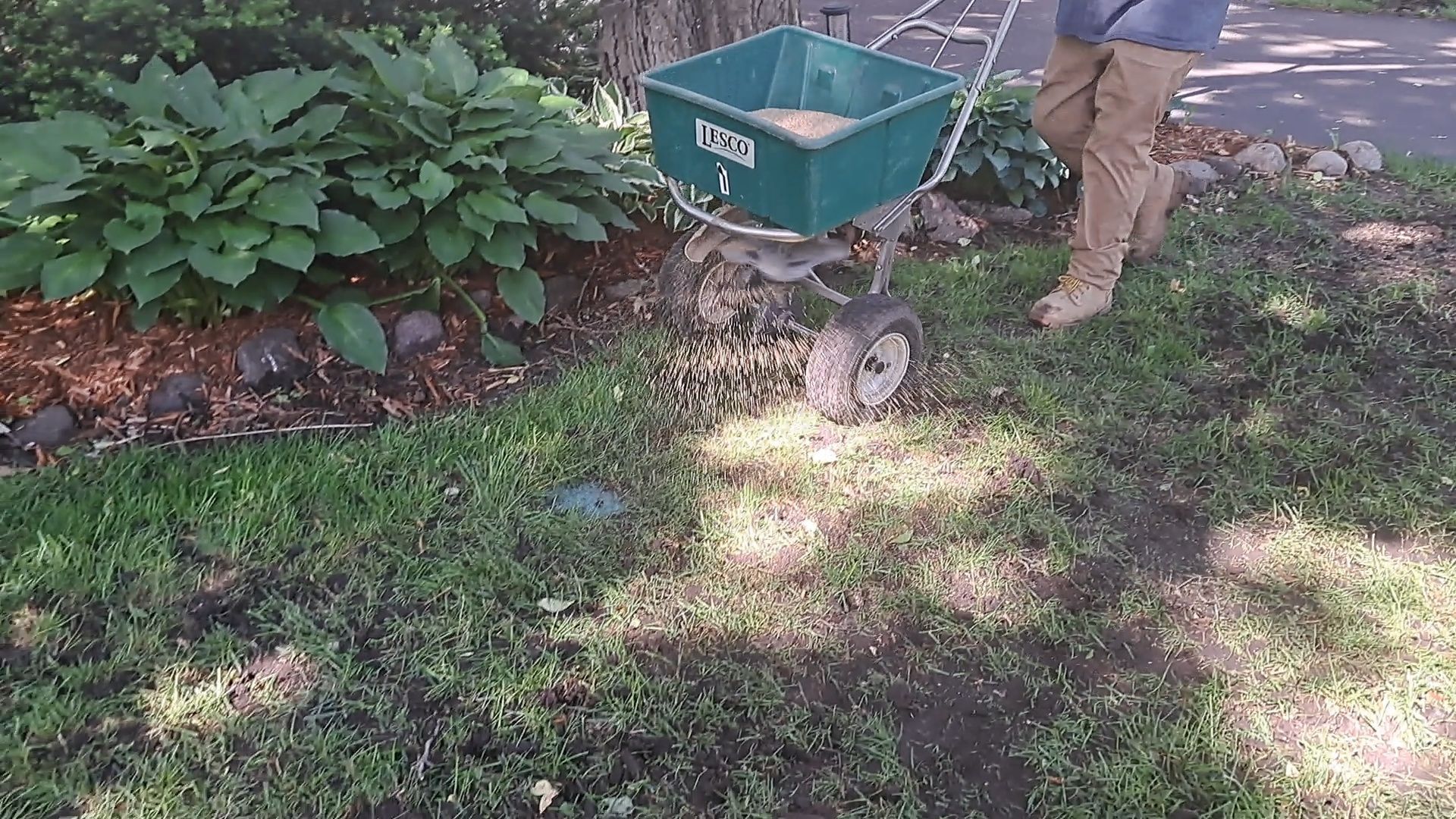
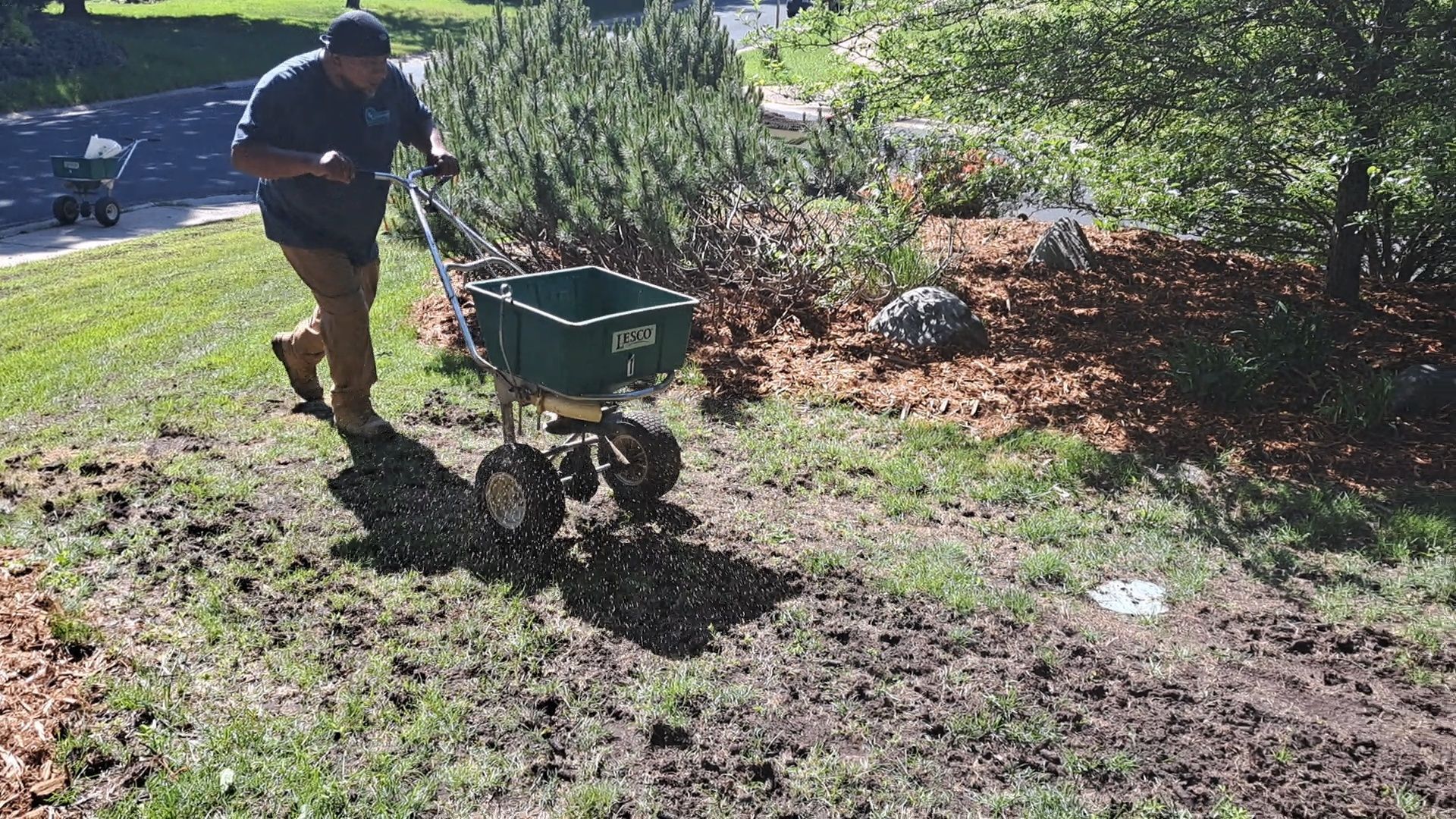
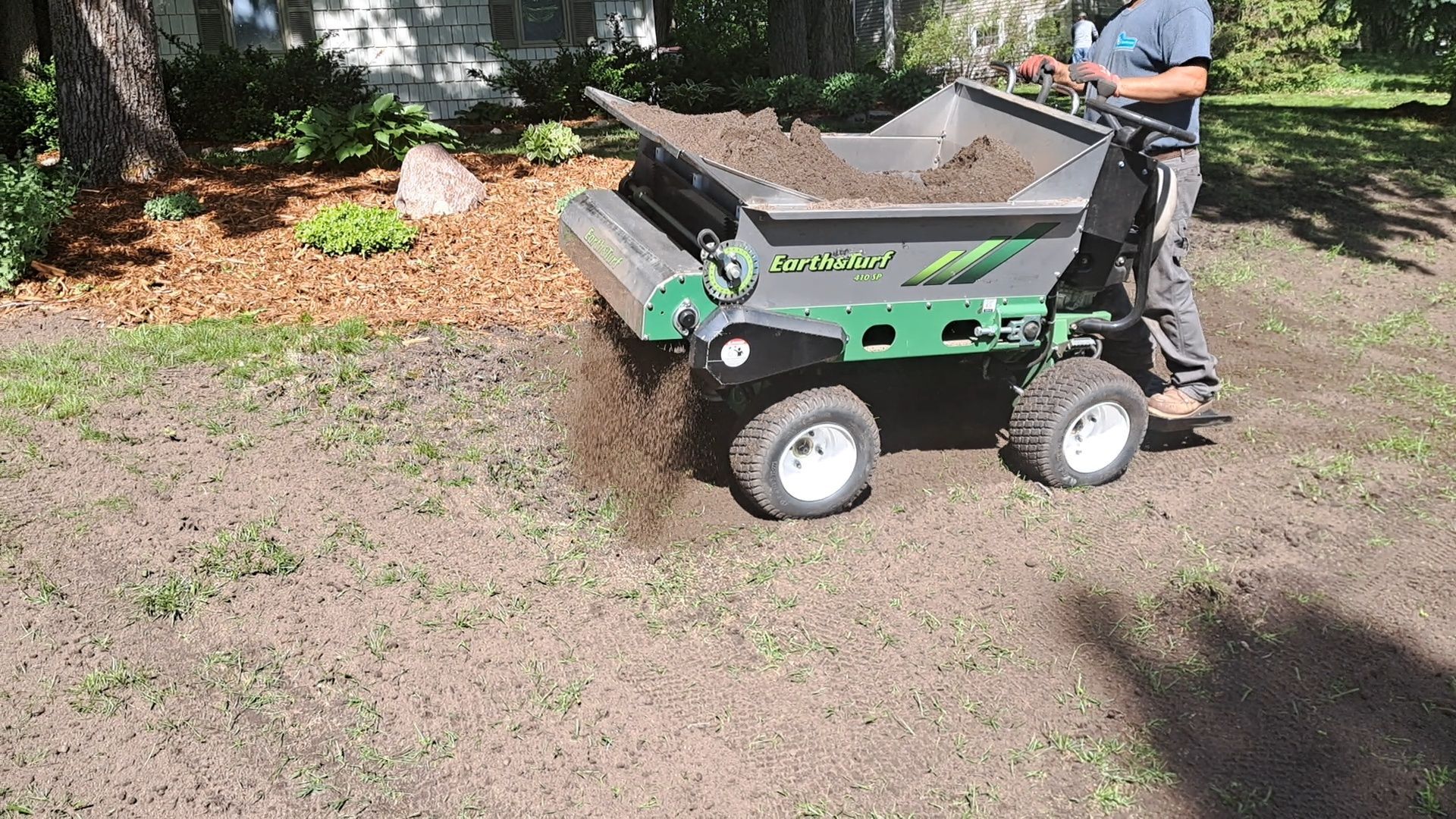
Make sure the area has been prepared with good quality soil and lightly compacted. Add fertilizer rake the surface flat so that the seeds can be spread evenly across the surface. Avoid excessive amounts of topsoil (no more than an inch). After sowing, water lightly on warm days to keep the seeds moist but don't overwater as this will wash them away! After germination (usually within two weeks), fertilize again, then lightly mow with a regular push mower when it reaches 3-4 inches in height (never take off more than one-third of the leaf at once). Finally, water regularly during dry spells; less is more with low-mow lawns – deep watering every two weeks is usually better than sprinkling lightly every day. If there is clover, thyme, or self-heal in the mix you may want to leave it a little longer to let it flower for pollinators to use.
Make sure the area has been prepared with good quality soil and lightly compacted. Add fertilizer rake the surface flat so that the seeds can be spread evenly across the surface. Avoid excessive amounts of topsoil (no more than an inch). After sowing, water lightly on warm days to keep the seeds moist but don't overwater as this will wash them away! After germination (usually within two weeks), fertilize again, then lightly mow with a regular push mower when it reaches 3-4 inches in height (never take off more than one-third of the leaf at once). Finally, water regularly during dry spells; less is more with low-mow lawns – deep watering every two weeks is usually better than sprinkling lightly every day. If there is clover, thyme, or self-heal in the mix you may want to leave it a little longer to let it flower for pollinators to use.
Advantages
There are several advantages to installing a low mow lawn on part or all of your property including:- Reduced mowing frequency which in turn can lower emissions and fossil fuels usage and takes up far less of your time spent on yard maintenance from week to week;
- A mix of fine fescues needs less weekly watering and are more drought tolerant lawn;
- Less erosion, runoff of sediment and chemicals going into ponds, drainages, streams and lakes;
- deeper rooted plants (9”) which aerate soils;
- More shade tolerant than typical lawn varieties
- Using clover helps to capture nitrogen and feed the lawn reducing the need for fertilizers;
- Including flowering species such as Dutch clover, thyme, and self-heal among others in your lawn creates habitat for bees and other pollinators;
- Moderately competitive, meaning they can hold their own with the turfgrasses without taking over.
Disadvantages
- There are several disadvantages to installing a low mow lawn that need to be considered:
- Many not conform to local municipality or HOA ordinances, check with yours;
- Doesn’t meet that golf course like expectation that has permeated our collective thought
- The grasses in low mow mixes tend to bunch rather than form a continuous carpet;
- Most herbicides won’t differentiate between the flowers you want and the weeds, so it requires more spot treatments and hand pulling for weeds.
Low Mow Turf Species
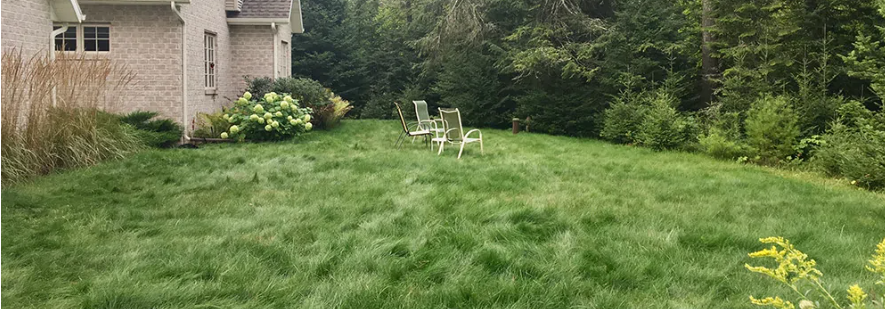
Fine fescues, buffalo grass, sedges, grama grass are all popular types of turf for low mow lawns. Fescue is a great option for climates that experience wet and cold winters. It’s drought-tolerant in the summer months and has a deep root system that helps to keep the soil moist. Fescue requires about 30% less water than traditional turf grass and doesn’t require fertilizer. Buffalo grass is a warm-season grass that can tolerate drought but needs regular mowing during the growing season. It’s an ideal choice for dry climates. Sedges are very adaptable but do well in soils that remain damp.
Clover is not technically a type of grass, but rather a deep green ground cover that can be used in place of traditional turf grass. It’s fast-growing and requires very little maintenance and have the advantage of not showing dog spots. Additionally, it flowers and is bee and pollinator friendly (check out our blog
Pollinator Friendly landscapes
). Thyme and Self-heal are other forbs that add a flowering component into the lawn to attract pollinators. Massed areas of native grasses are drought-resistant and can help prevent erosion along waterways and capture sediment and contaminants. Wildflowers add color to the landscape while helping to attract pollinators. They can be planted in large patches or combined with other plants to create an attractive naturalized look.

Programs Available
Check with your city or local watershed to see if they participate in the ‘Lawn to Legumes’ program. They may cover a significant portion of the cost to convert your lawn in an effort to protect the Rusty Patched Bumblebee and other at-risk pollinators in Minnesota. The program provides workshops, coaching, planting guides and cost-share funding. Much of the ‘Seven County Metro Area’ is considered to be in a high priority area for benefit.
Educate Your Neighbors
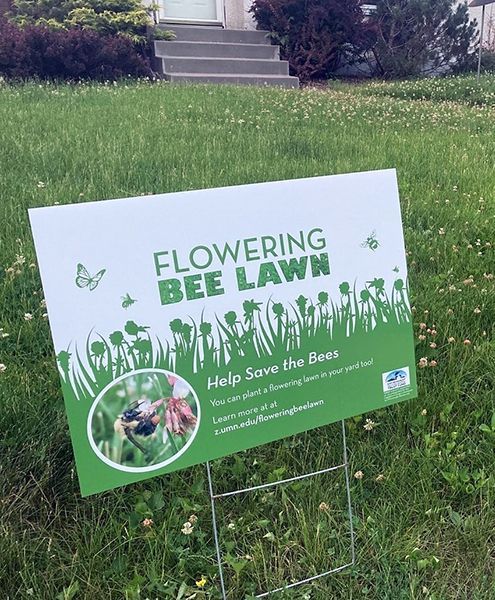
Displaying a simple sign designating your yard as a pollinator habitat or as part of a program can be the difference between it being seen as a neglected area to people viewing it as an important part of a thriving landscape. Educate your neighbors and passers-by on how they too can help by reducing their need for herbicides, pesticides and fertilizers. Having these attractive gardens also serves as an example for others who may not have been aware of what low mow lawns look like. Make sure you also join local groups and organizations that are passionate about water conservation, habitat improvement, and riparian restoration efforts. By working together, we can help rebuild and maintain a healthy ecological environment for our community and beyond.
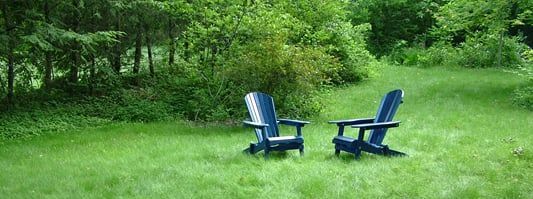
Overall, these low mow lawn alternatives can be an effective way to improve the health of your yard’s ecosystem. They require less maintenance than traditional turf grass, and their slow growth helps to reduce erosion, reduce run-off, lower chemical inputs and emissions, offer greater sustainability and promote healthy biodiversity. Whether you choose to plant just grasses or include forbs and other wildflower groundcovers you can be sure that your property will be looking great for years to come!
Ready to Start on Your Next Project?
Call us at (763) 568-7251 or visit our quote page.
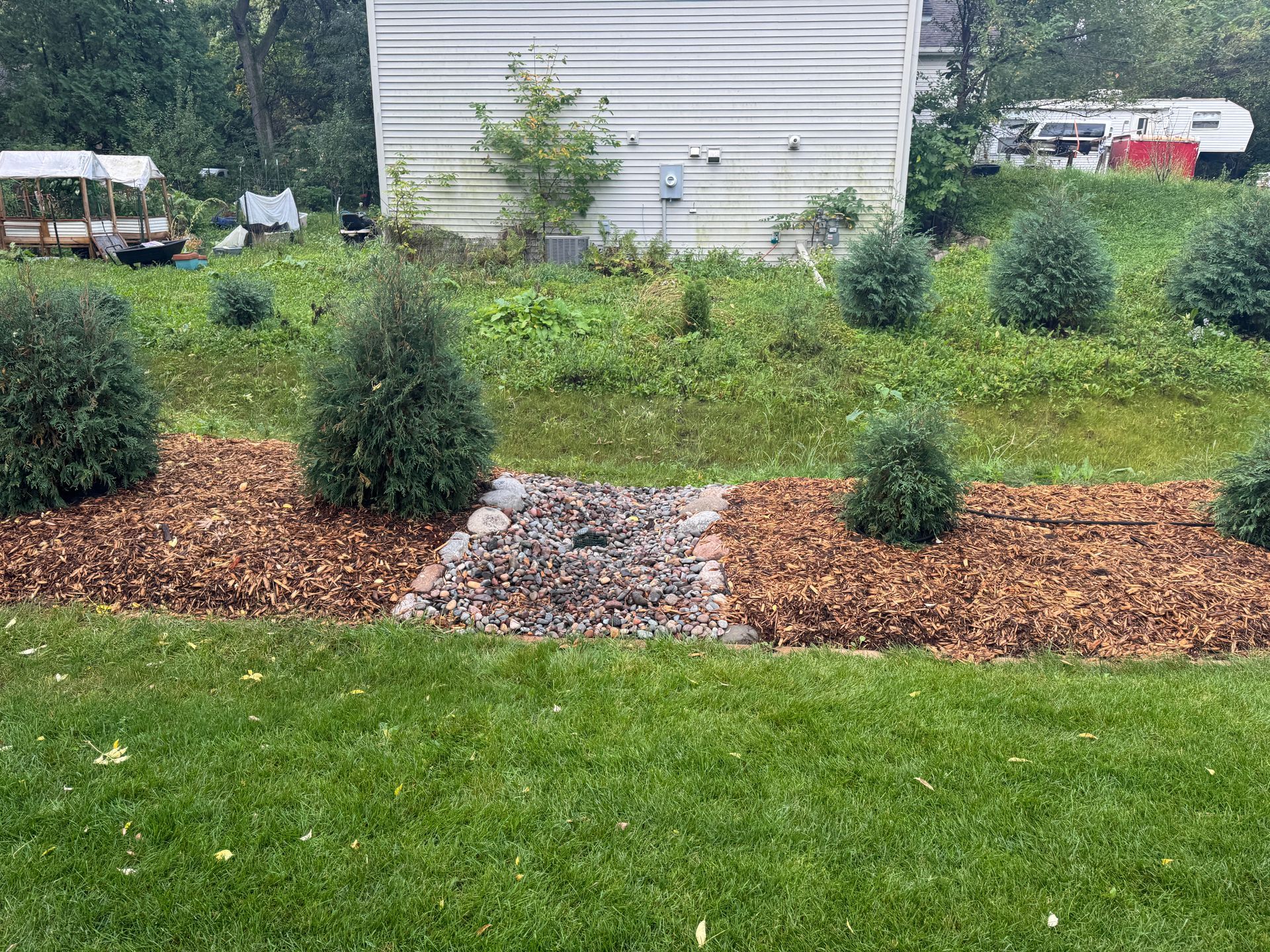
Learn how KG Landscape restored a backyard swale in Shoreview, MN, fixing drainage issues. Contact us for expert landscaping solutions!
Learn how KG Landscape solved a waterlogged yard issue in Orono, MN. Contact us for eco-friendly drainage solutions today!
Can you use compost as lawn fertilizer in Minnesota? Learn how compost feeds turf, how to apply it, and where it fits. Get a free quote.
Organic weed control for Minnesota lawns: what works, what doesn't, and how to manage weeds without harsh chemicals. Get a quote.

Keep your lawn and your pets safe. Pet-safe lawn care tips for Minnesota yards, from products to timing. Get a free quote.
Looking for the best organic lawn fertilizer in Minnesota? See top options, how they feed your turf, and what KG uses. Get a quote.
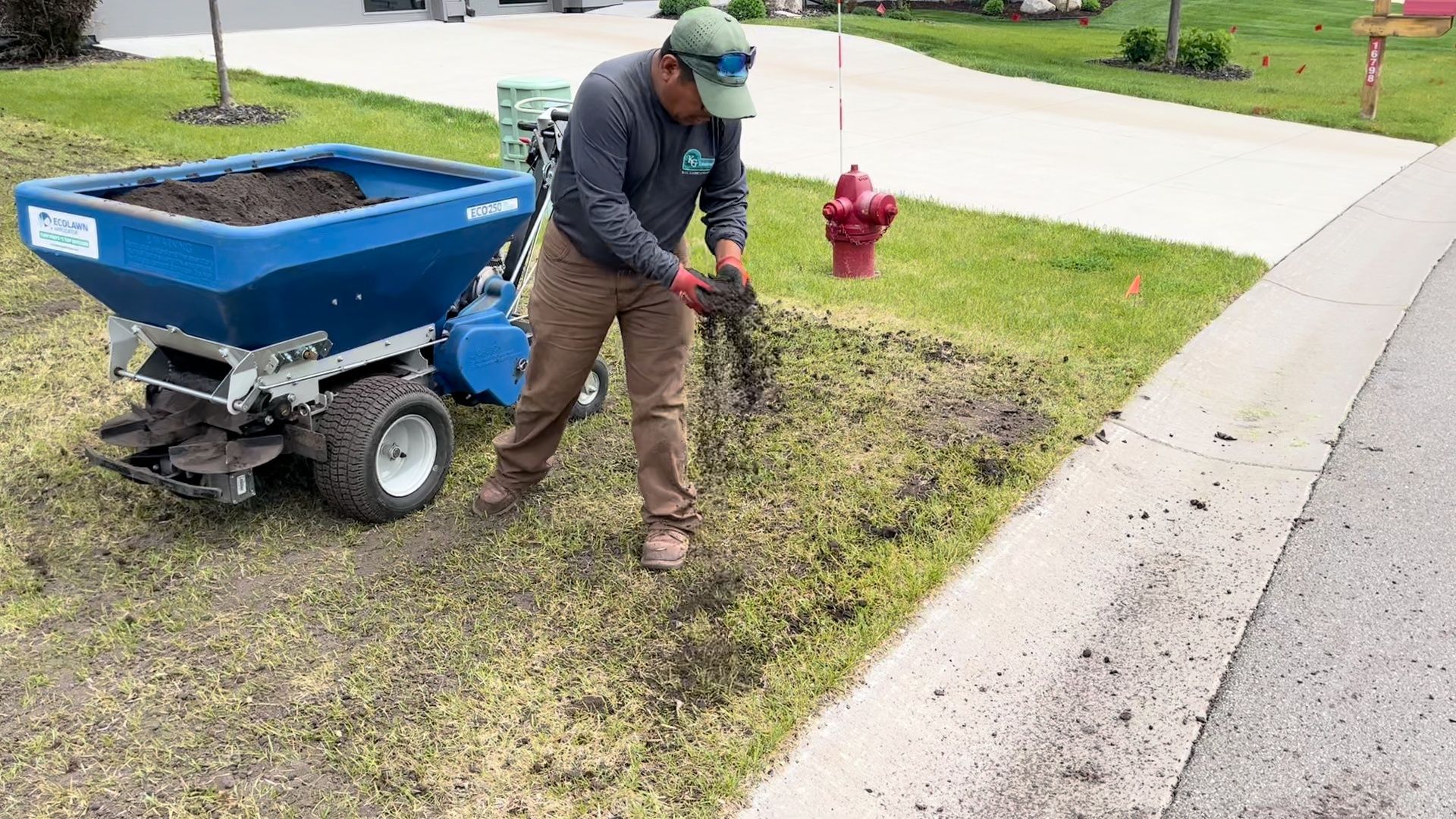
Is compost a fertilizer? Learn what compost does for your Minnesota lawn, how it differs from fertilizer, and when to use it. Get a quote.
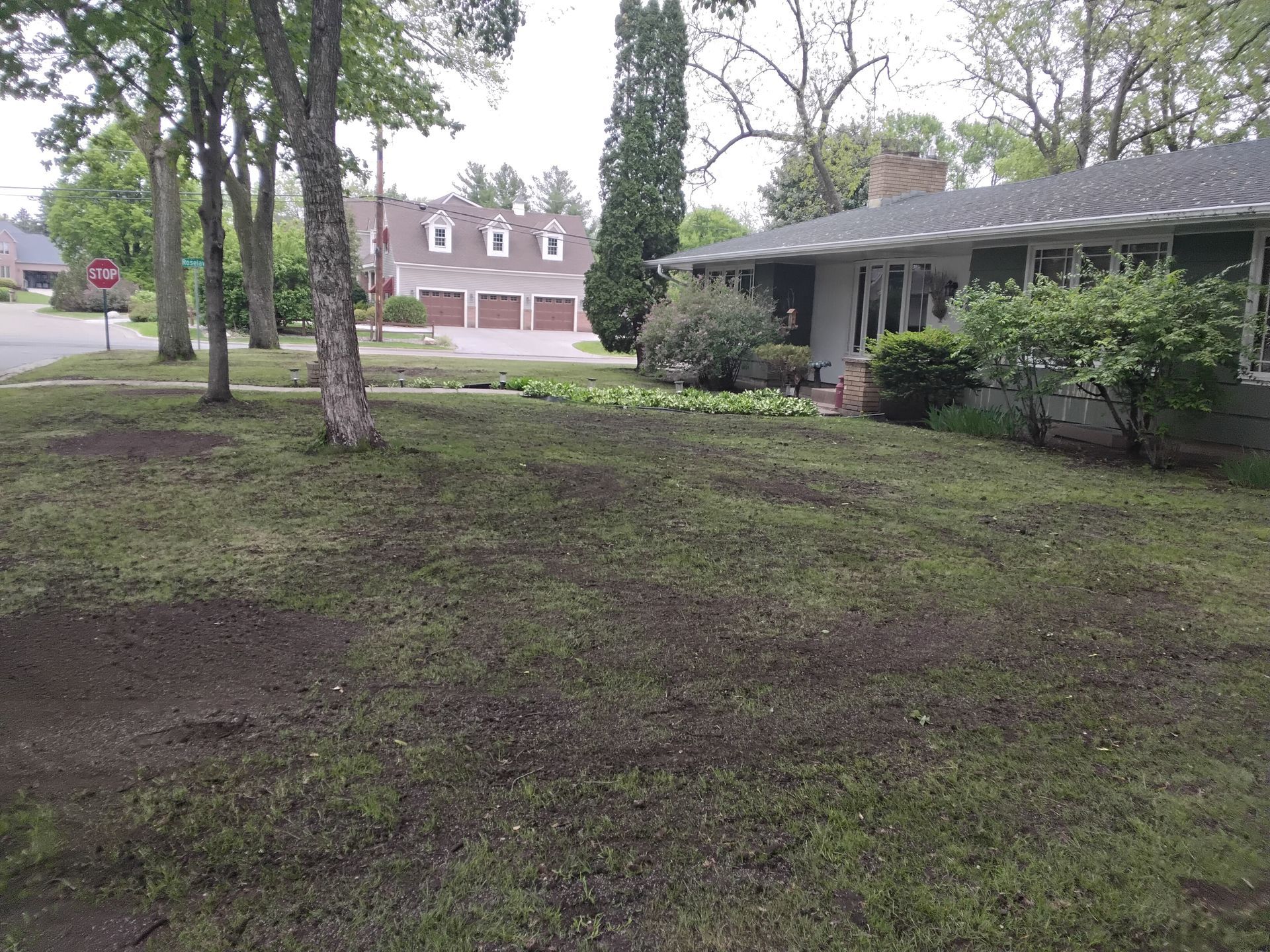
Compost feeds the soil, fertilizer feeds the grass. Learn which your Minnesota lawn needs, when to use each, and how to apply both. Get a quote.
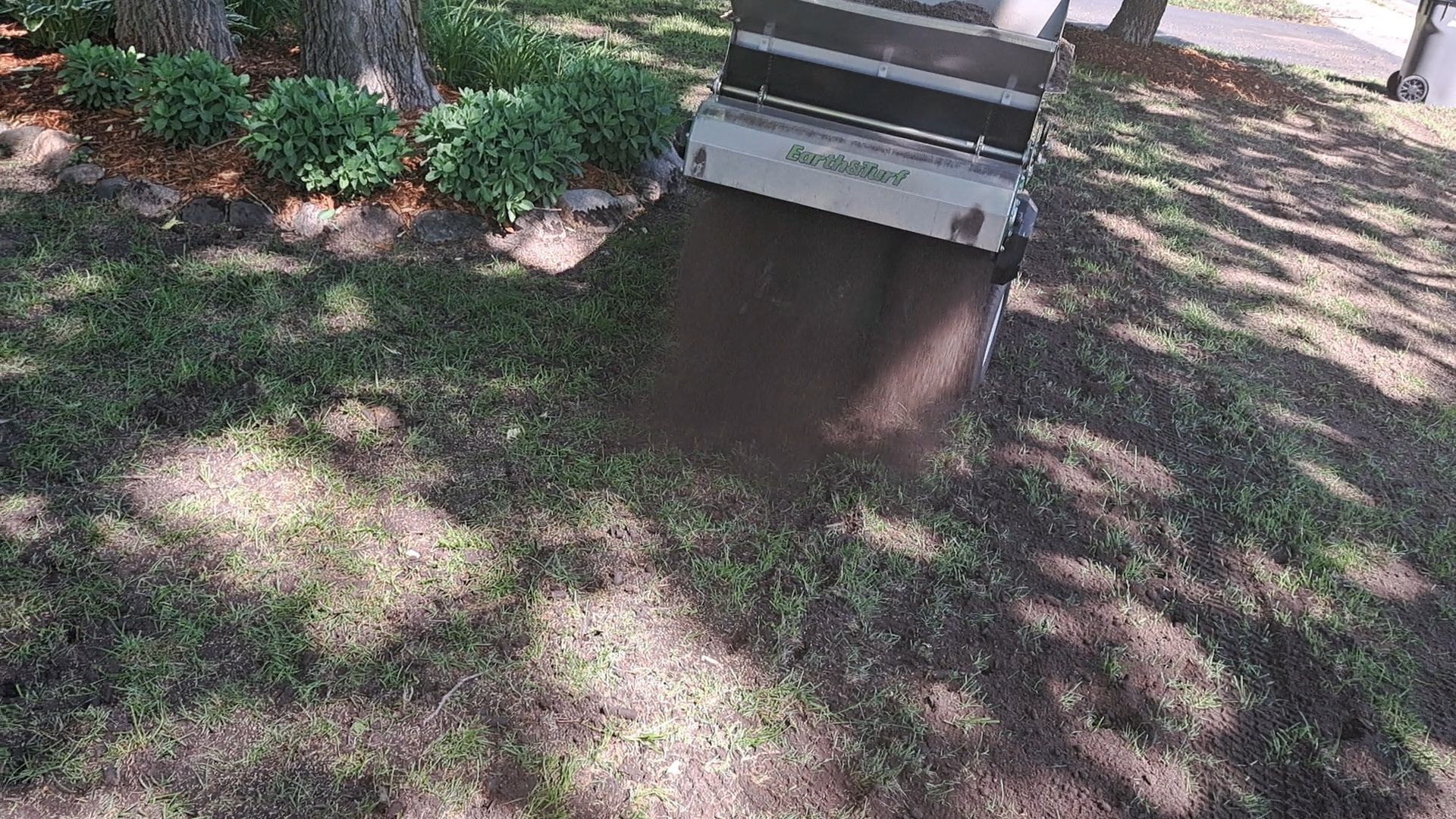
Eco-friendly lawn care tips for Twin Cities yards: cut chemicals, save water, and build healthy soil naturally. Get a free quote.
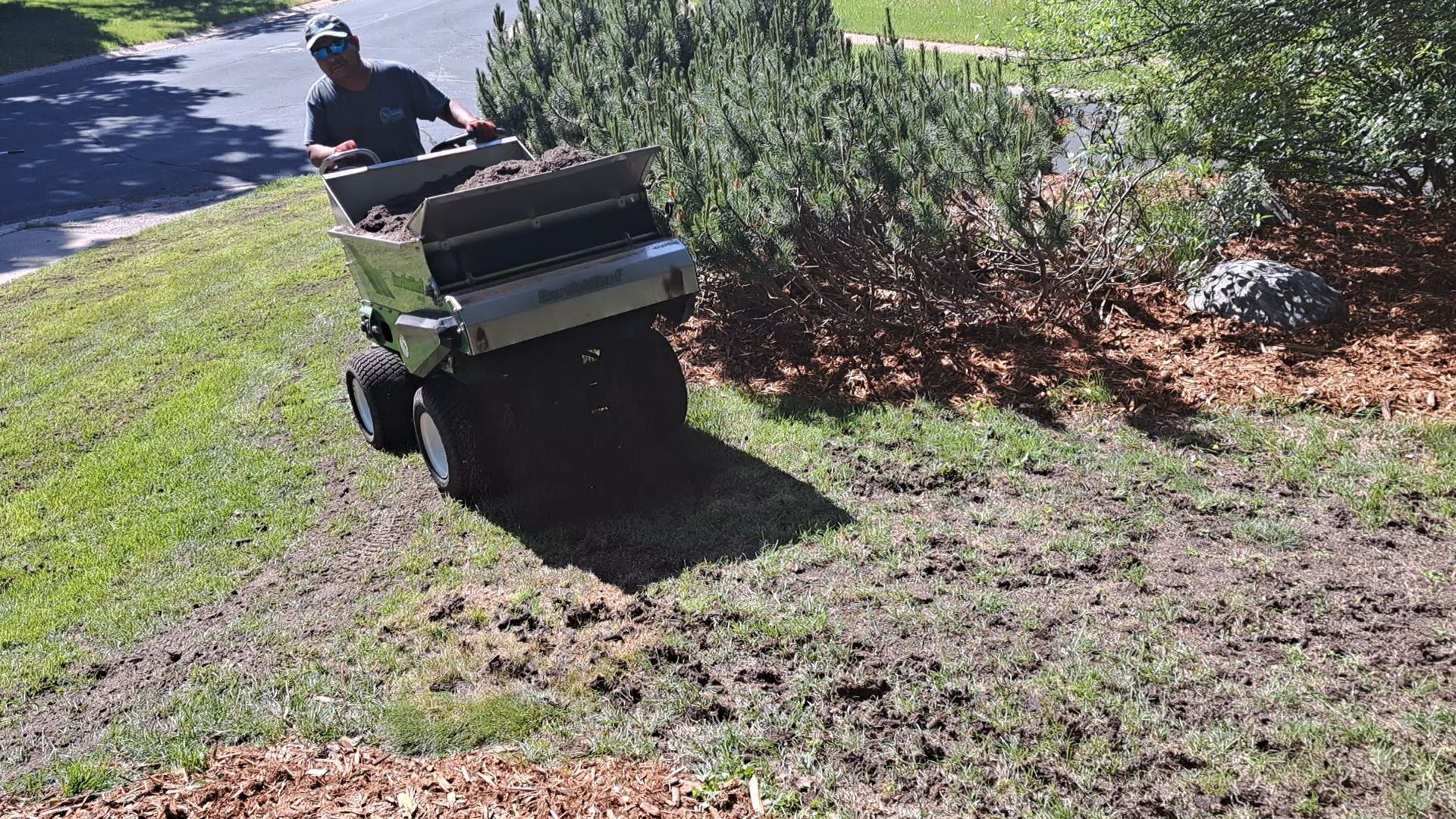
Simple, proven lawn care tips for Minnesota yards: mowing, watering, feeding, and building healthy soil that lasts. Get a free quote.