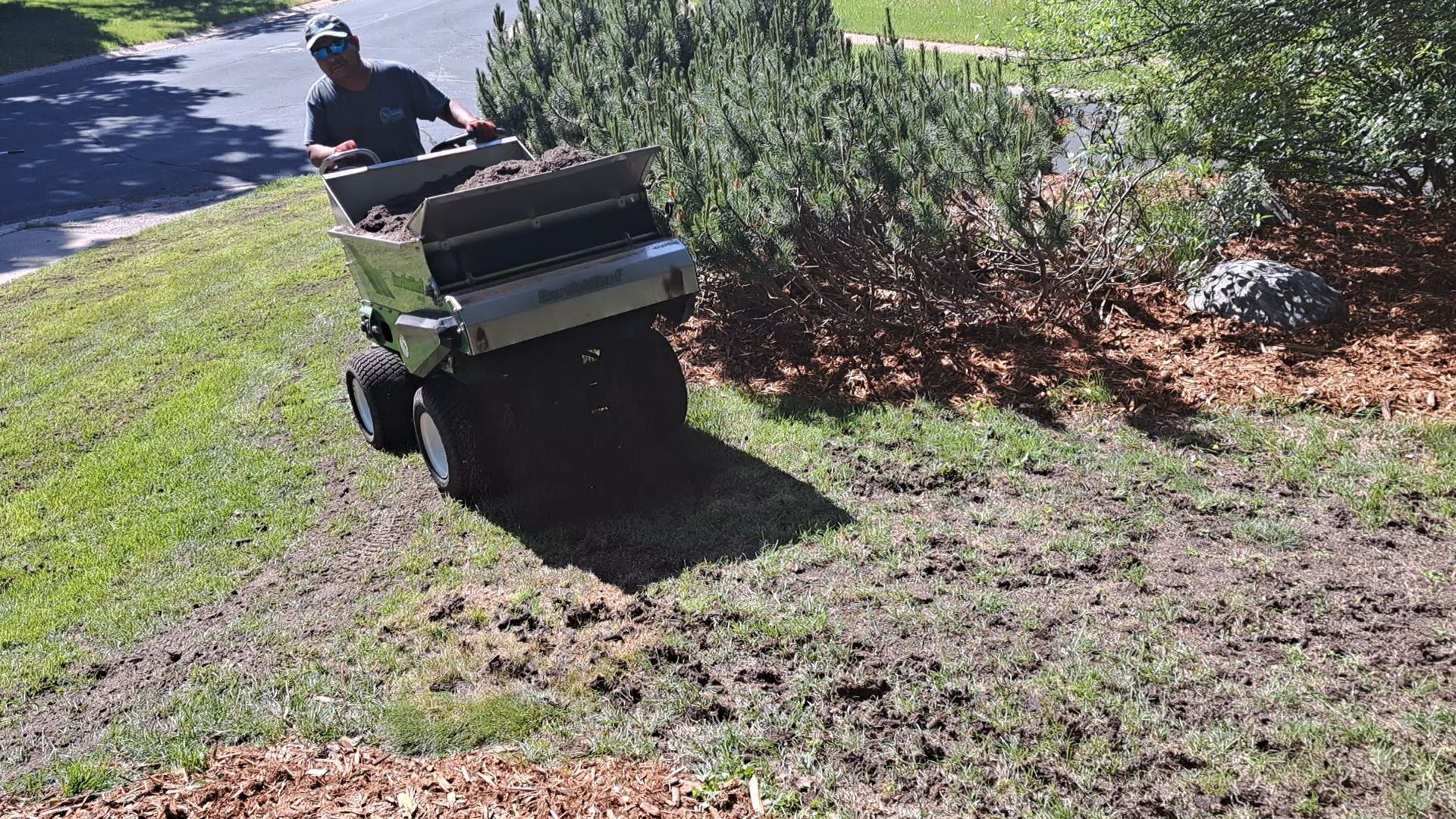
What Makes A Good Hedge Plant?

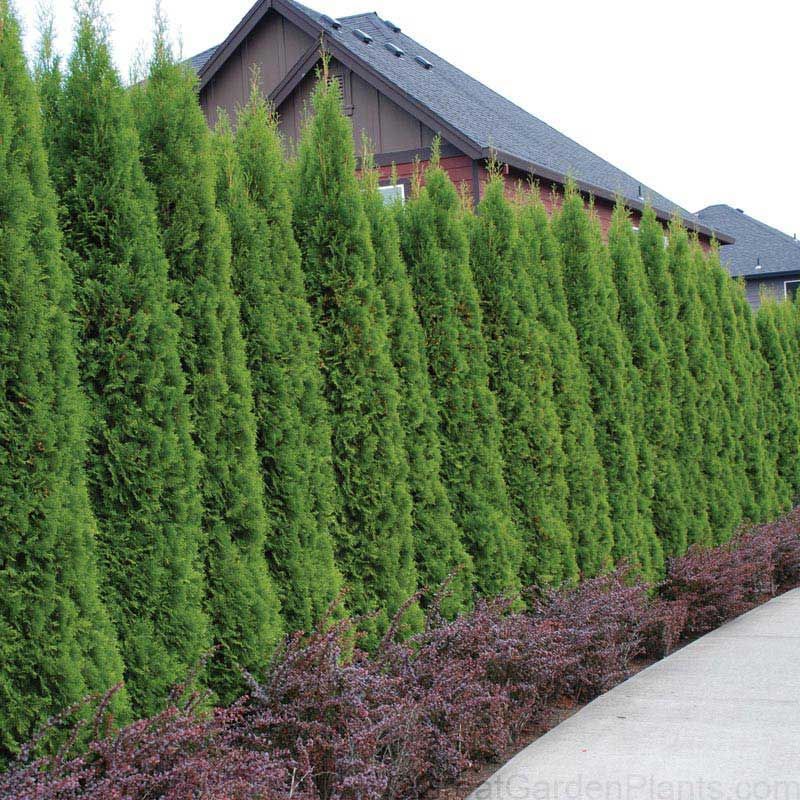
Hedges are perfect for screening and for replicating a fence without the cost or hassle of a fence. They are particularly great for very formal landscapes. A good hedge plant should have dense growth habit. The dense growth habit gets that hard to see through hedge if you’re using it for screening. If the plant you choose has a pyramidal shape, you’ll want to plant them a little closer together.

Evergreen or deciduous hedge?

There are two big choices when it comes to the type of hedge to plant, evergreen or deciduous. They both have their pros and cons and we will discuss those here.  Evergreens last all year long so they provide screening and interest even in winter which is valuable if you think you will be outside in the winter and early spring/late fall. But, unlike deciduous plants, the evergreens do not flower and provide different interest throughout the year. You won’t get the beautiful white or lavender flowers from a lilac in the spring/summer or the fire colored leaves from dogwoods. Also, evergreens are about twice the cost of deciduous. We believe that every landscape is different so consulting with a landscape design professional is recommended to find the best use of your money for your yard.
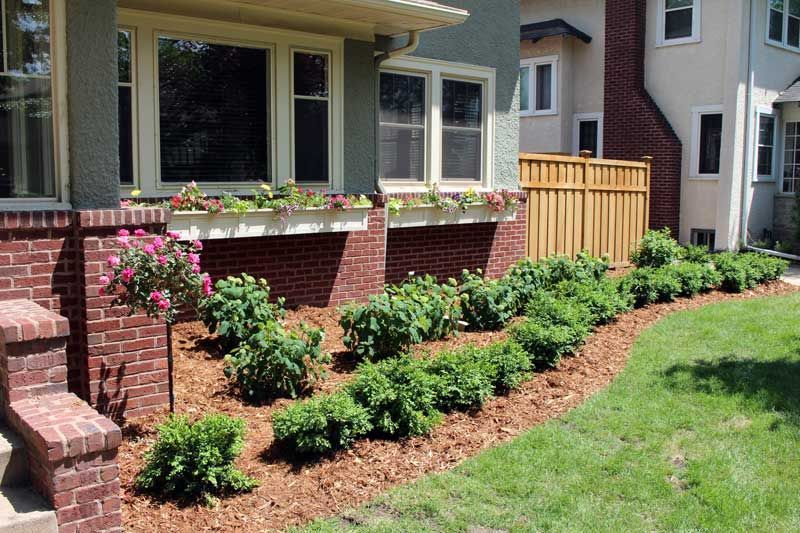
LOW HEDGE
These are fantastic for a more modern, formal plant bed, especially in the front yard. Boxwoods are the best option for this type of hedge (we like green velvet for Minnesota climates).They grow slowly, are low lying, and can be easily shaped. Alpine currant also work and arborvitae or barberry.

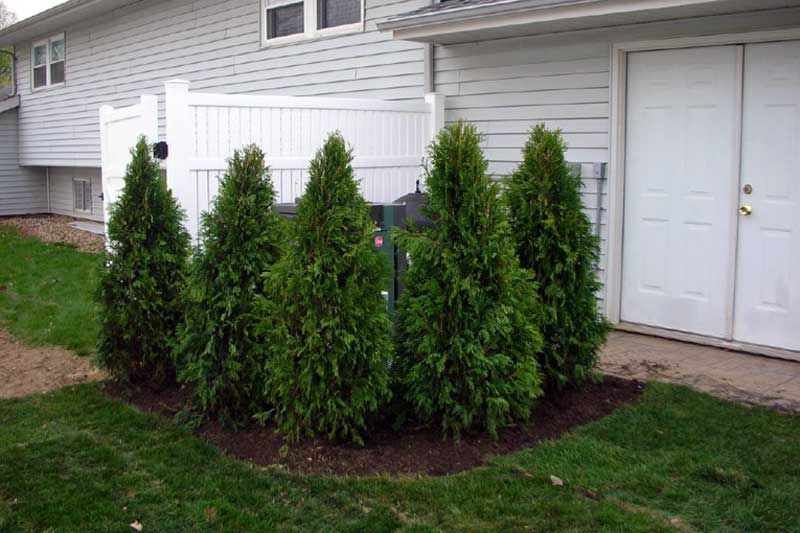
MID-SIZE HEDGE

We use mid sized hedges for hiding air conditioner units or other unsightly objects around a home. They’re also nice along neighboring yards if you don’t have a patio or true outdoor space (like you want some privacy but not a ton). Specific plants that we use often for these applications include lilacs, burning bush, coneyester, ninebark, and dark green yew.

LARGER HEDGE

The larger hedge is of course used when you want the ultimate privacy. This comes with a high cost but the results are undeniable. We love using these two ypes of plants for a large one: holmstrup arborvitae, techny arborvitae, upright yew japanese, and pinnacle birch.

Again, if you’re looking for a hedge for your plant bed, we strongly suggest you consult with a trusted, experienced landscape designer who can help you get the most value for your money.

Ready to Start on Your Next Project?

Call us at (763) 568-7251 or visit our quote page.
By Kent . December 6, 2025
Why wooden lake steps always fail—and why Minnetonka and Orono homeowners are switching to stone. A contractor explains the replacement.
By Kent . December 5, 2025
Your Golden Valley lawn looks properly graded. It still dies every spring. The problem isn't winter—it's clay soil that won't drain.
By Kent . December 3, 2025
Why the best Blaine patios are built at grade—and how smart drainage design protects your walkout basement. A contractor's design guide.
By Kent . December 3, 2025
What corners do Blaine builders cut on landscaping? A local contractor explains what to check—and why sandy soil is actually good news.
By Kent . December 2, 2025
What does skipping professional snow management actually cost St. Louis Park businesses? The risks go beyond inconvenience. Here's the math.
front yard landscaping
By Kent . December 1, 2025
The landscaping improvement that adds the most value isn't what you think. A St. Louis Park guide to strategic property improvements.
By Kent . November 30, 2025
Cut commercial landscape costs without looking cheap. A St. Paul property manager's guide to right-sizing maintenance for real savings.
By Kent . November 28, 2025
What separates professional commercial snow removal from amateur operations? An Orono property management guide to protecting your business.
By Kent . November 26, 2025
Year-round landscape maintenance guide for Orono businesses. Learn what commercial properties actually need each month—and what's overkill.
By Kent . November 24, 2025
Golden Valley retaining walls from the 1980s-90s are hitting critical age. Learn how to evaluate aging walls and decide between repair or replace.