
Terraced Landscape Beds for Steep Yards
Hilly property can be tough to deal with. Not only can it be hard (and dangerous) to mow, but erosion can be a real issue. The difficulties of steep slopes can be mitigated in a variety of ways. In this post we’re going to focus on building terraces into the hillside.
Why a Terraced Landscape?
Humans have created terraced landscapes for thousands of years. The Inca people in Peru terraced the mountainsides of the Andes
in order to grow maize, squash, and beans, the early Japanese
and Filipino
peoples built terraced rice fields, and medieval Celts built lynchets
to cultivate their fields.
Terraced rice fields in Genkai, Saga Prefecture, Japan. (Credit: Kit Takenaga)
On a smaller scale, terraces can be used in modern lawns to help stop slopes from eroding, and to stop gullies from forming. In this iteration, they are essentially interchangeable with retaining walls
. These terraced beds also provide the modern gardener with more surface area for flowers, vegetables, or shrubs. If your lawn contains an unmanageable slope, perhaps a terrace could be the solution.
Planning
While creating terraced landscape beds can be a DIY project (and there are plenty of websites explaining how), it should always be carefully planned. When
A few tips:
The Process
Terraced landscape walls aren’t simply placed on top of the existing slope. They’re created by using a cut-and-fill method in which soil is removed to create a flat area. This soil is later used to fill a lower area. After the soil is removed, you’ll need ensure the walls sit on a good base. Regular old Minnesota dirt expands and contracts with the temperature, and anything built directly on it will be unstable. Instead, lay down a layer of something like class 5 fill. The variable sizes of rock and gravel will mesh together, forming an almost concrete-like layer. When your wall is built on this layer, it won’t be moving anytime soon.
Next, it’s time to pick the material the terraces will be made of. We generally work with natural stone or cement blocks
, but terraced landscapes can also be made of wooden beams or logs
. Whatever you choose, be sure the layers are level as you build.
Finally, be sure the area has good drainage. Especially if water runoff is the reason you’re considering a terraced landscape, you’ll want to be sure you have a system in place to catch all that water. If the terraces are going to be more than 30 inches tall, place gravel down the entire back of the walls to ensure saturated soil doesn’t push against the walls and topple them. At the bottom of the walls, include a drainage tube so any water that reaches the bottom can simply drain away.
These wide terraces leave plenty of room to garden.
What to Plant
Anything you want! Well, mostly. While some larger trees may be out of the question for terraced landscapes, anything you would grow in other garden beds is fair game. In fact, thanks to these terraces, you may be able to start growing some plants earlier in the spring, and keep them alive later into the fall. This is because terraces made of stone or cement blocks will hold some heat during cool summer nights. This is ideal for spring or fall plantings, when Minnesota weather can still get quite warm during the day but cools drastically at night.
If your terraces are built with stone rather than wood, consider plants that will help soften the look. For example, ivies planted at the top of a wall will drape down over time, covering portions of the stone with greenery. Really though, any greenery will look wonderful on your new terraced gardens. We’re especially fond of hostas, shrubs such as dogwoods, and tall, wide evergreens such as boxwood. Let your imagination roam! If you like wild, natural looks, try native grasses, tall flowering plants such as salvia or lupine, and ivies. If you like a more refined designs, look to shrubs and flowering plants that don’t spread, such as tulips.
Edible gardens are also a popular decision for terraced landscapes. As mentioned above, stone will hold heat longer, which is great for growing your favorite veggies. The terrace gardens’ easy maintenance and limited space also makes this a fun option for little ones—just keep a close eye on them so they don’t take a tumble.
Ready to Build?
Ready to Start on Your Next Project?
Call us at (763) 568-7251 or visit our quote page.
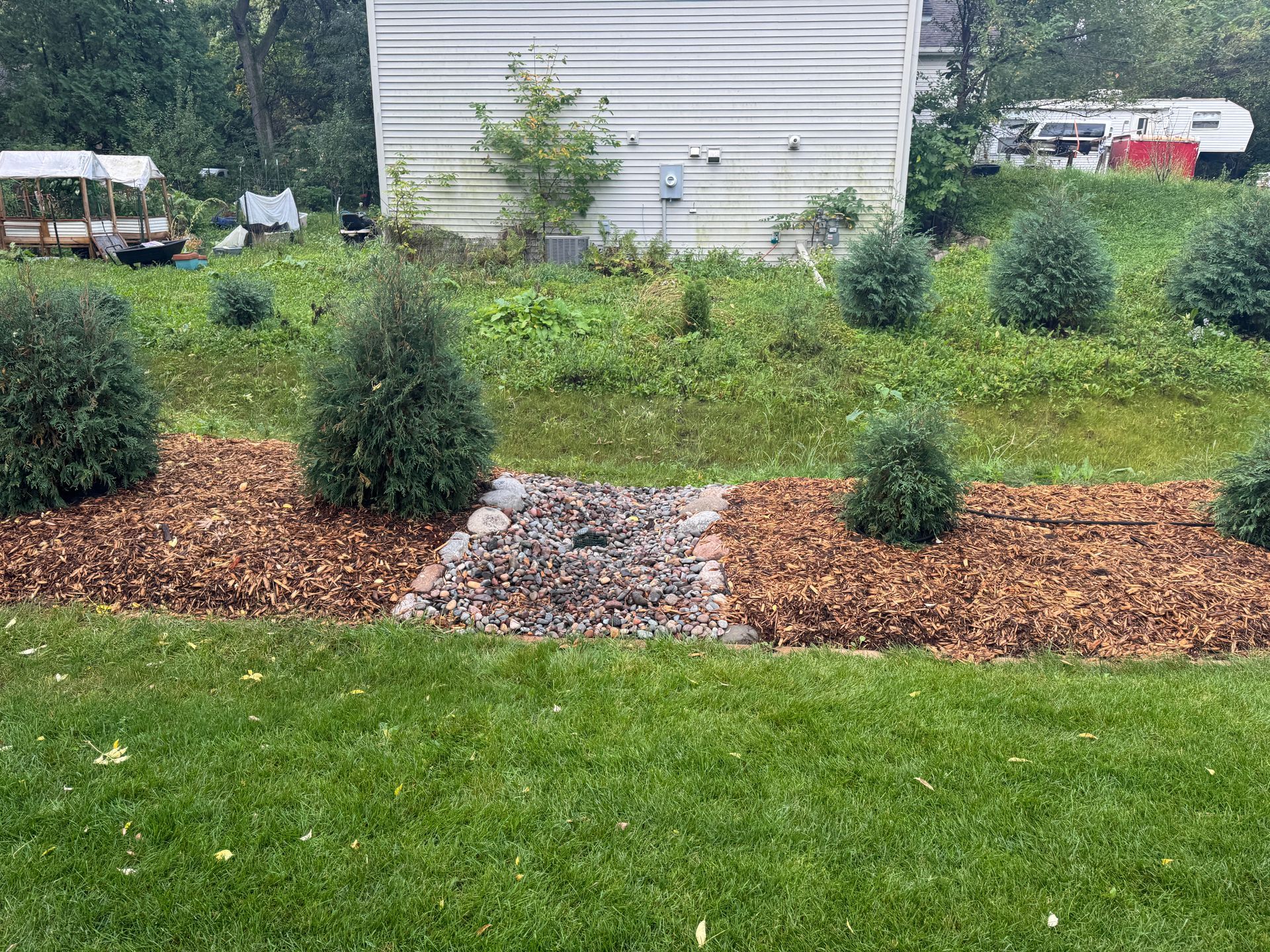
Learn how KG Landscape restored a backyard swale in Shoreview, MN, fixing drainage issues. Contact us for expert landscaping solutions!
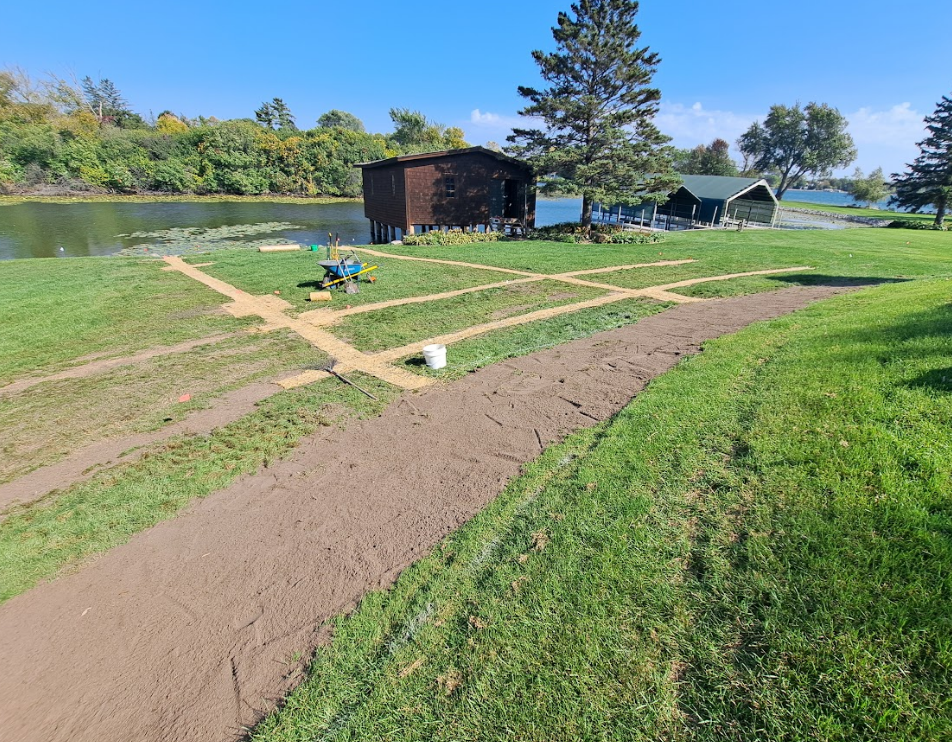
Learn how KG Landscape solved a waterlogged yard issue in Orono, MN. Contact us for eco-friendly drainage solutions today!
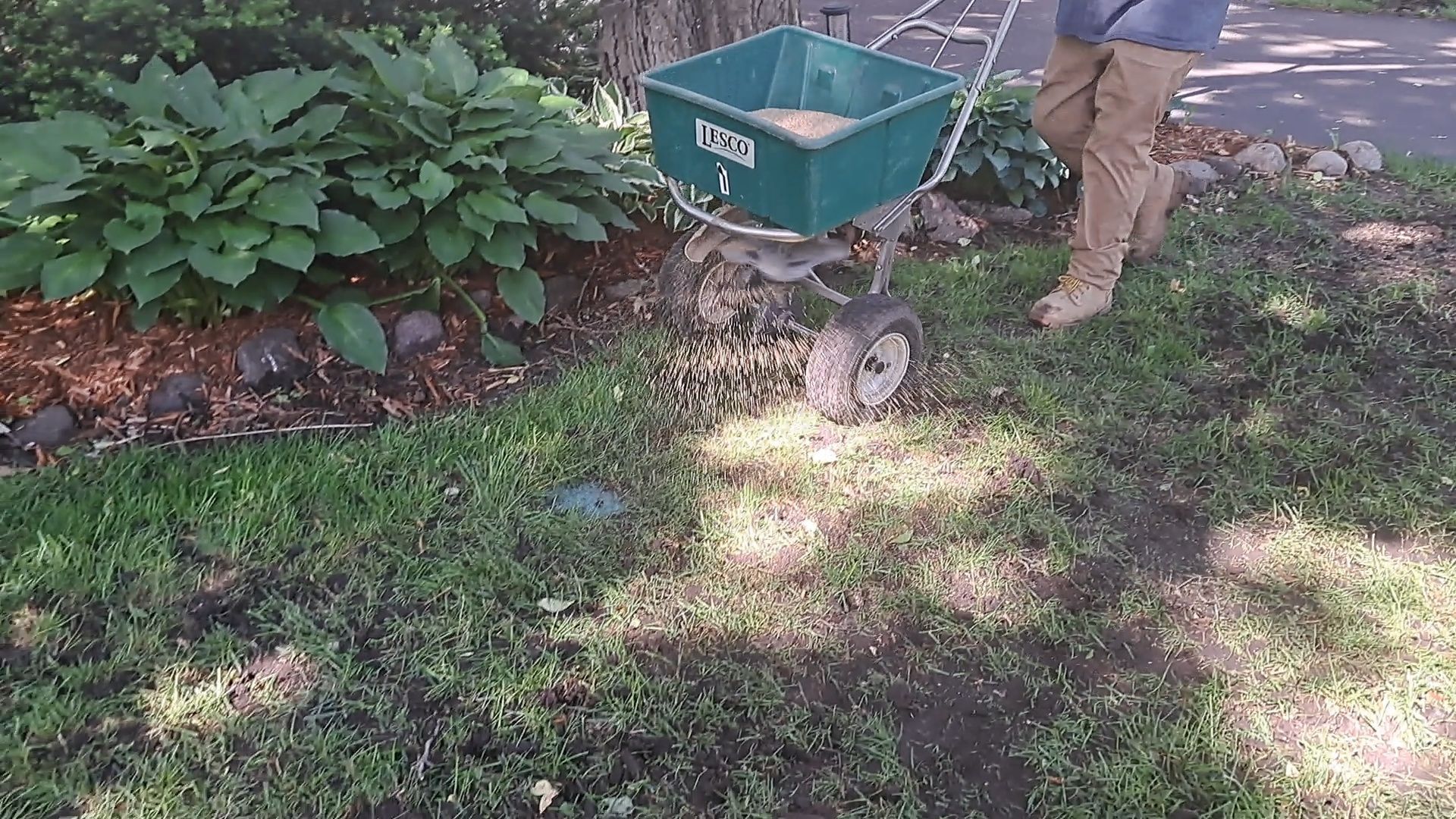
Can you use compost as lawn fertilizer in Minnesota? Learn how compost feeds turf, how to apply it, and where it fits. Get a free quote.
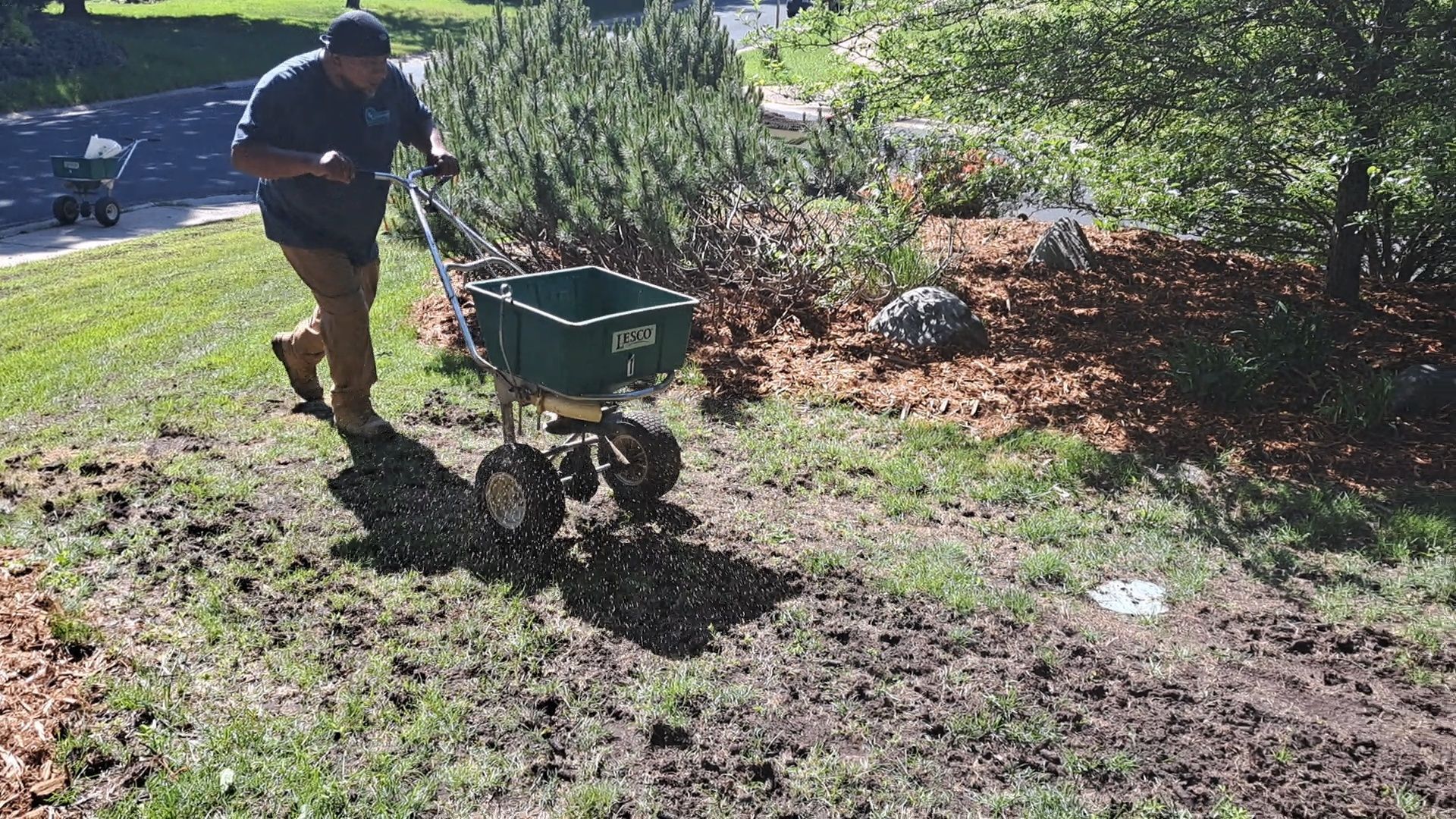
Organic weed control for Minnesota lawns: what works, what doesn't, and how to manage weeds without harsh chemicals. Get a quote.

Keep your lawn and your pets safe. Pet-safe lawn care tips for Minnesota yards, from products to timing. Get a free quote.
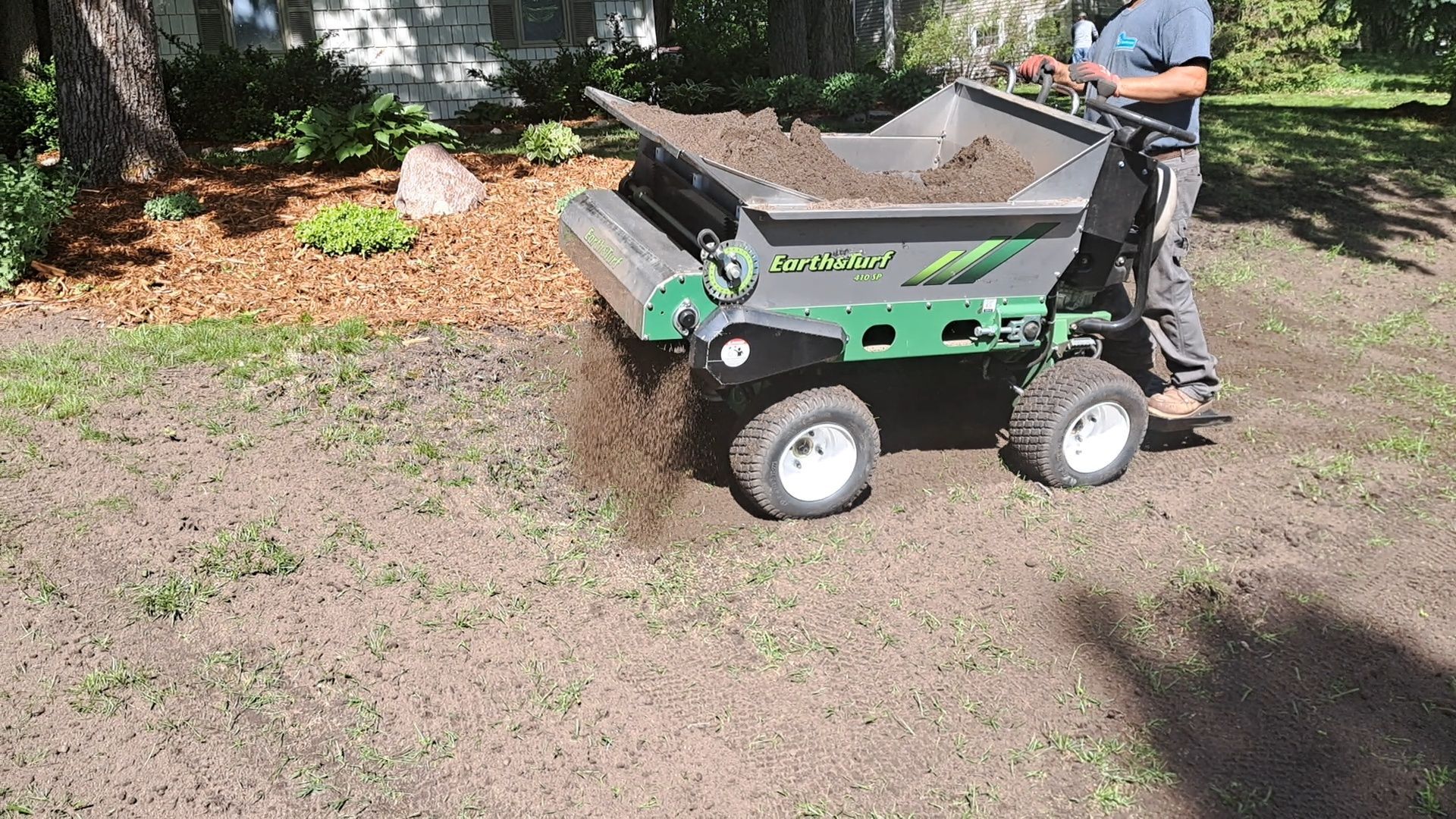
Looking for the best organic lawn fertilizer in Minnesota? See top options, how they feed your turf, and what KG uses. Get a quote.
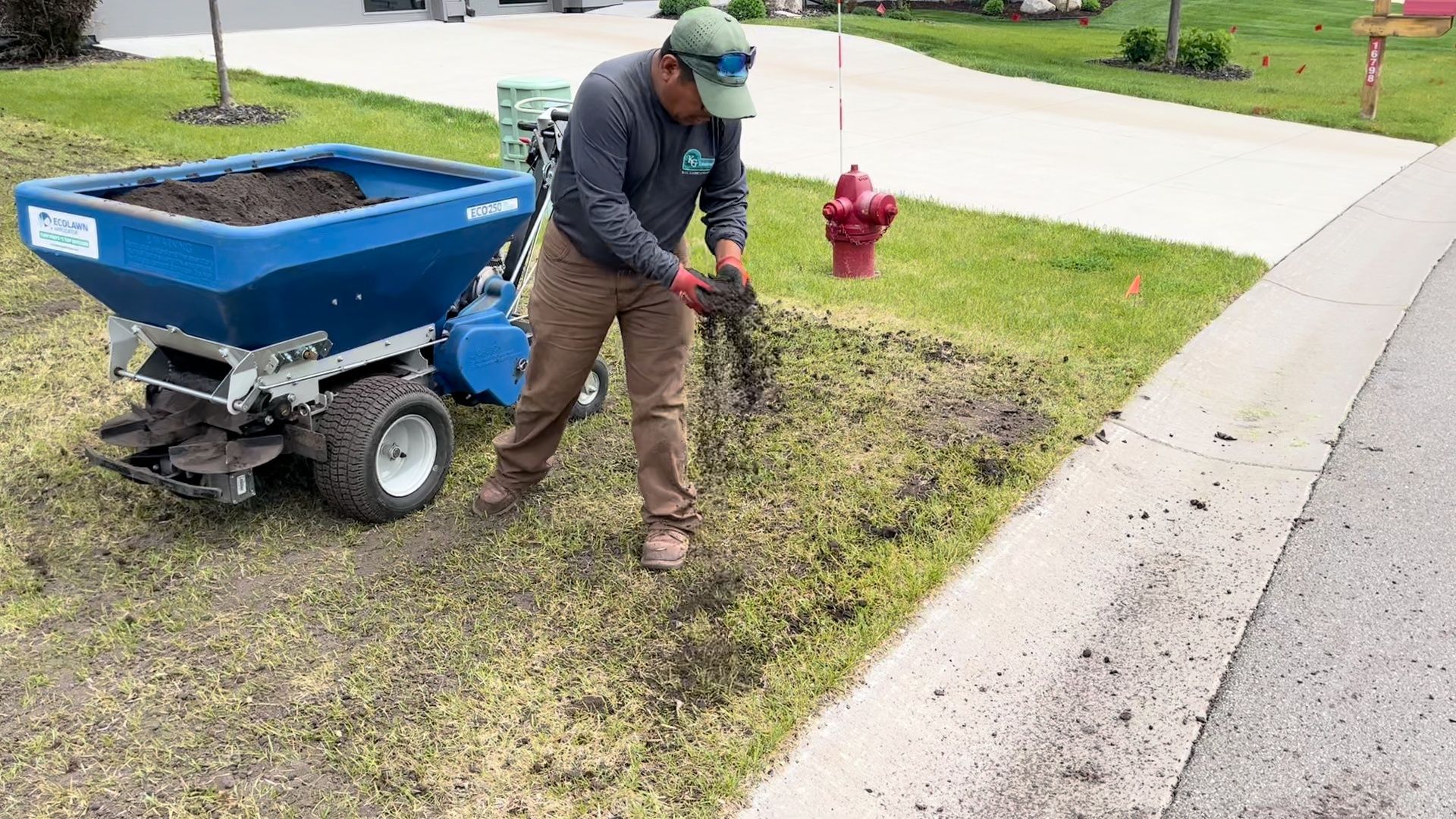
Is compost a fertilizer? Learn what compost does for your Minnesota lawn, how it differs from fertilizer, and when to use it. Get a quote.
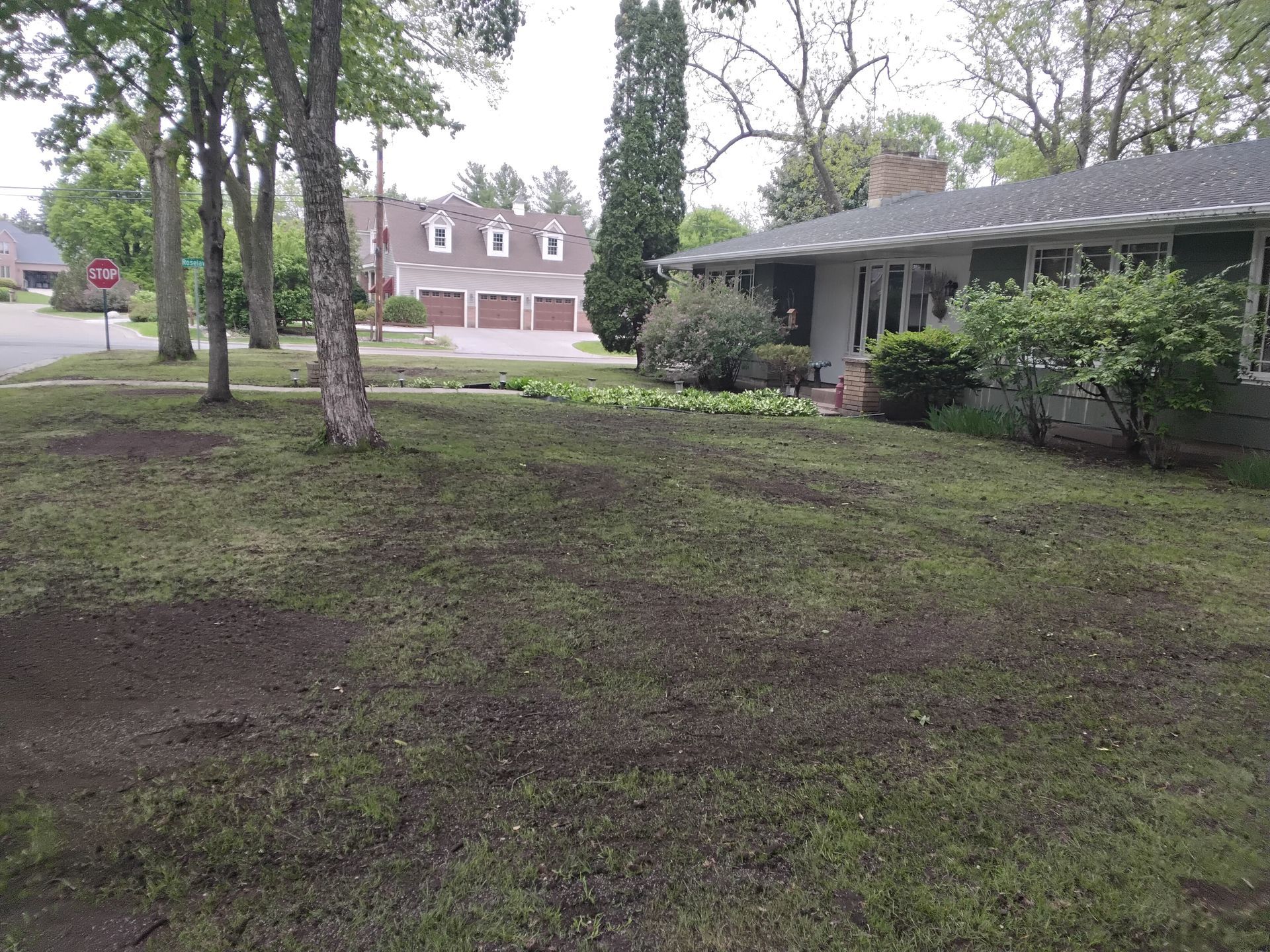
Compost feeds the soil, fertilizer feeds the grass. Learn which your Minnesota lawn needs, when to use each, and how to apply both. Get a quote.
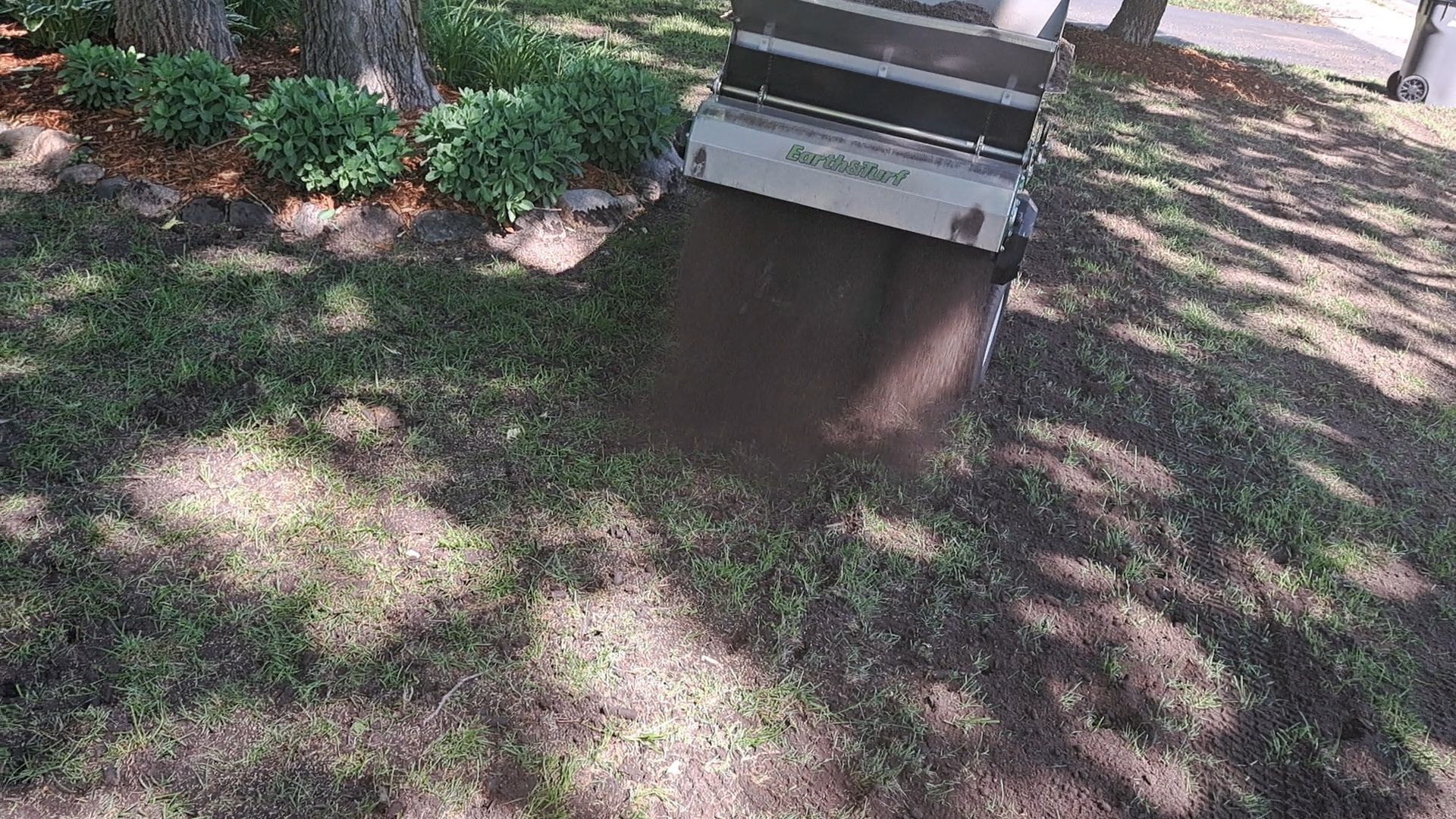
Eco-friendly lawn care tips for Twin Cities yards: cut chemicals, save water, and build healthy soil naturally. Get a free quote.
Simple, proven lawn care tips for Minnesota yards: mowing, watering, feeding, and building healthy soil that lasts. Get a free quote.