
When To Use De-Icing for Winter Maintenance
Winter is coming, and with it comes the dreaded ice. You know the feeling: you step outside, ready to face the day, and suddenly, you're sliding on a frozen patch of pavement. You try to regain your balance, but it's too late. You fall hard, bruising your ego and your body. Or worse, you're driving on a slippery road, and your car goes into a skid. You crash into a snowbank, a tree, or another car. You're lucky if you escape with minor injuries and damages.
Annually, more than 1,300 people die and over 116,800 sustain injuries in automobile accidents on slushy, snowy, or icy pavement, according to the Federal Highway Administration (FHWA) . As a result, knowing when to use de-icing procedures to keep your surfaces clear and safe is critical.
This article will explain the distinction between anti-icing and de-icing, the benefits and drawbacks of various de-icing agents, and the best procedures for applying them properly. By following these guidelines, you can avoid the dangers of ice and enjoy the splendors of winter.
Difference Between Anti-Icing and De-Icing
The difference between anti-icing and de-icing lies in their approach and purpose. Anti-icing involves applying preventive measures, such as salt compounds or liquid chemicals, before a snow or ice event to prevent the bond between ice and pavement.De-icing, on the other hand, focuses on removing existing snow and ice by melting it through mechanical means or using de-icer products.
Anti-Icing Approach
We rely on the anti-icing approach to prevent the formation of ice. This method involves the timely application of a chemical freezing agent , making it an imperative step in maintaining safe and manageable environments during icy conditions.It's not just about reacting to ice but taking proactive measures to inhibit its development altogether. Severe weather calls for robust action. This is where pre-wetting techniques come into play by ensuring that fewer chemical agents are necessary for snow and ice control.
Benefits of Anti-Icing
Anti-icing brings about a significant improvement in winter road maintenance. As a preventative measure, it blocks the formation of an icy bond between snow and pavement.It also reduces the need for frequent de-icing and snow removal, which limits the potential harm caused by overusing anti-icing products.
Environmental Impact of Anti-Icing Products
Chemicals used in anti-icing products don't just melt snow and ice; they also have an environmental impact. Water sources can become contaminated, causing harm to the aquatic life that calls these areas home.Our local vegetation isn't safe either - it risks damage from these chemicals, too. We must consider this when making choices about how we handle ice and snow removal.
Pre-wetting techniques are another step in the right direction as they reduce overall chemical use for snow and ice control operations. Liquid anti-icers even step up the game further by offering a greener alternative compared to sand and salt-based solutions.
Best Practices for Anti-Icing
In order to effectively utilize anti-icing techniques, it is important to follow a set of best practices.Do’s and Don’ts of Anti-Icing
When it comes to anti-icing, there are some important dos and don'ts to keep in mind.Anti-Icing Tips for Commercial Property
To effectively manage winter conditions around commercial properties, implementing anti-icing strategies is crucial. Here are some practical tips for anti-icing on commercial property surfaces:- Timing is key : Apply anti-icing products before a snowfall or freezing rain event occurs to prevent ice from adhering to the surface.
- Use the right product : Choose environmentally friendly and effective anti-icing agents that won't harm the surrounding vegetation or infrastructure.
- Monitor temperature fluctuations : Stay vigilant and reapply anti-icing solutions if temperatures drop significantly or if precipitation continues for an extended period.
- Maintain a consistent application rate : Ensure proper coverage by evenly distributing the anti-icing product across the entire surface area.
When to Use De-Icing
De-icing is necessary in conditions where snow and ice removal alone is not enough to ensure safe surfaces for travel.Conditions That Require De-Icing
De-icing is necessary when a surface is contaminated with ice, snow, or frost. This contamination can affect the performance of vehicles and compromise safety. 
De-Icing Techniques and Products
There are various de-icing techniques and products to remove snow, ice, and frost from surfaces during winter maintenance:- De-icing : applying chemicals, usually salts , to the pavement after the snow or ice has bonded to it.
- Anti-icing : applying chemicals, usually brines, to the pavement before the snow or ice starts to fall.
- Pre-treatment : applying chemicals to the pavement up to 48 hours before a winter storm.
- Self de-icing : adding a special additive to the asphalt mixture that can generate heat and melt the snow or ice on the pavement.
Importance of Snow and Ice Removal
Snow and ice removal is crucial for maintaining safe winter road conditions and preventing accidents. It is important to properly prepare surfaces before applying de-icing products in order to ensure maximum effectiveness.Preparing Surfaces Before De-Icing
Surface treatment involves removing any existing snow or ice, as well as debris that may hinder the effectiveness of the de-icing agents. By thoroughly cleaning and conditioning the surfaces, such as roads or walkways, we can create an optimal environment for applying de-icers like brine.Proper preparation sets the stage for successful winter maintenance by promoting better snow control and reducing hazards caused by icy conditions.
Conclusion
In conclusion, knowing when to use de-icing for winter maintenance is crucial for ensuring safe and clear roadways during snowy and icy conditions.By following best practices, such as mechanically removing snow and ice before applying de-icers and using the correct amount according to the manufacturer's instructions, we can effectively break the ice and enhance winter road safety.
Remember that de-icers do not provide traction, so plowing before application can further improve their effectiveness. Stay proactive in your winter maintenance strategies to keep your surroundings safe even in the harshest weather conditions.
Ready to Start on Your Next Project?
Call us at (763) 568-7251 or visit our quote page.

The legendary architect Louis Sullivan coined a phrase that has driven architecture and design ever since: "form follows function." While aesthetics are critical to buildings and landscapes alike, that physical beauty must always remain secondary to the fundamentals of good design. In Shoreview, Minnesota, just outside St. Paul , we encountered a landscape where, unfortunately, function followed form. Here, the realities and principles of effective drainage were downstream of their original builder's aesthetic choices. That meant water from snowmelt and rainfall was streaming into parts of the lawn where it wasn't meant to be. The standing water that had been allowed to collect in the back and side yards was putting a considerable amount of the property out of play. In order to reclaim usable space and rethink the way the land handled water, this Shoreview homeowner entrusted KG Landscape with identifying key issues, presenting potential solutions, and doing the necessary work the client decided upon to restore their lawn.
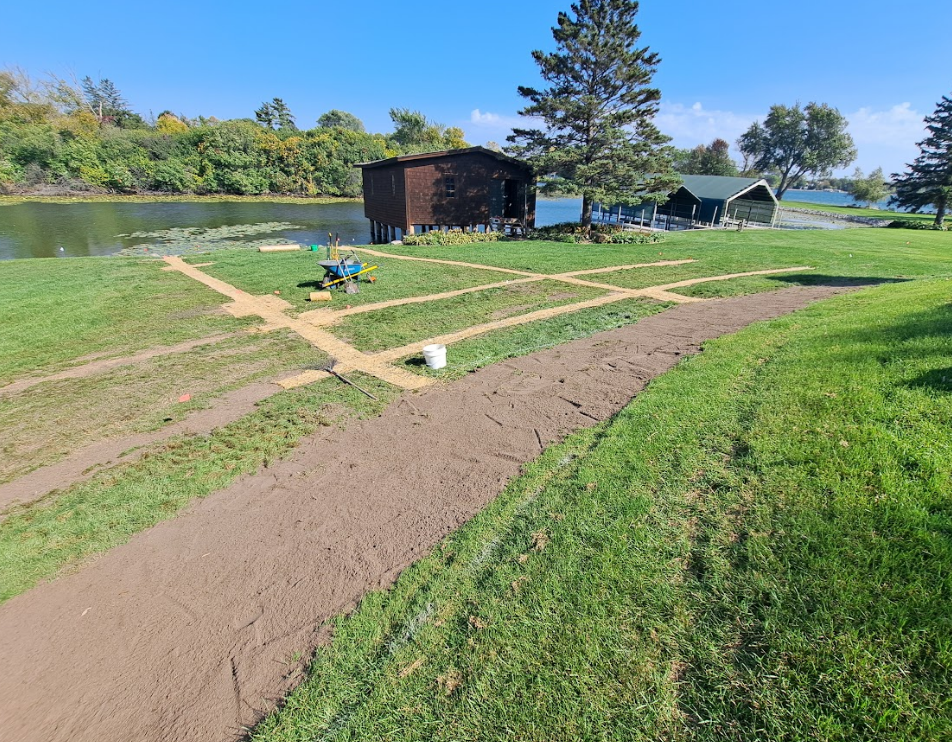
On the shores of Lake Minnetonka, perhaps the most famous of Minnesota's 10,000 lakes, an Orono, Minnesota homeowner was struggling with a back yard that was becoming more marsh than yard. The yard was a scenic one. The back porch opened up to the top of a small hill, which rolled down toward the lakefront and the boathouse. This flat space between the hill and the water would be ideal for backyard barbecues, some low-stakes games of bocce and badminton, or simply a spot to lay down a towel and get some summer reading done. Instead, this area was too waterlogged to enjoy. The runoff from the hilltop combined with unfavorable soil composition were limiting the use of the yard, closing off space while even diminishing the quality of the turf. How would this homeowner be able to reclaim this unusable land without disrupting the Lake Minnetonka shoreline that made the property so attractive? To find a solution, they turned to KG Landscape.
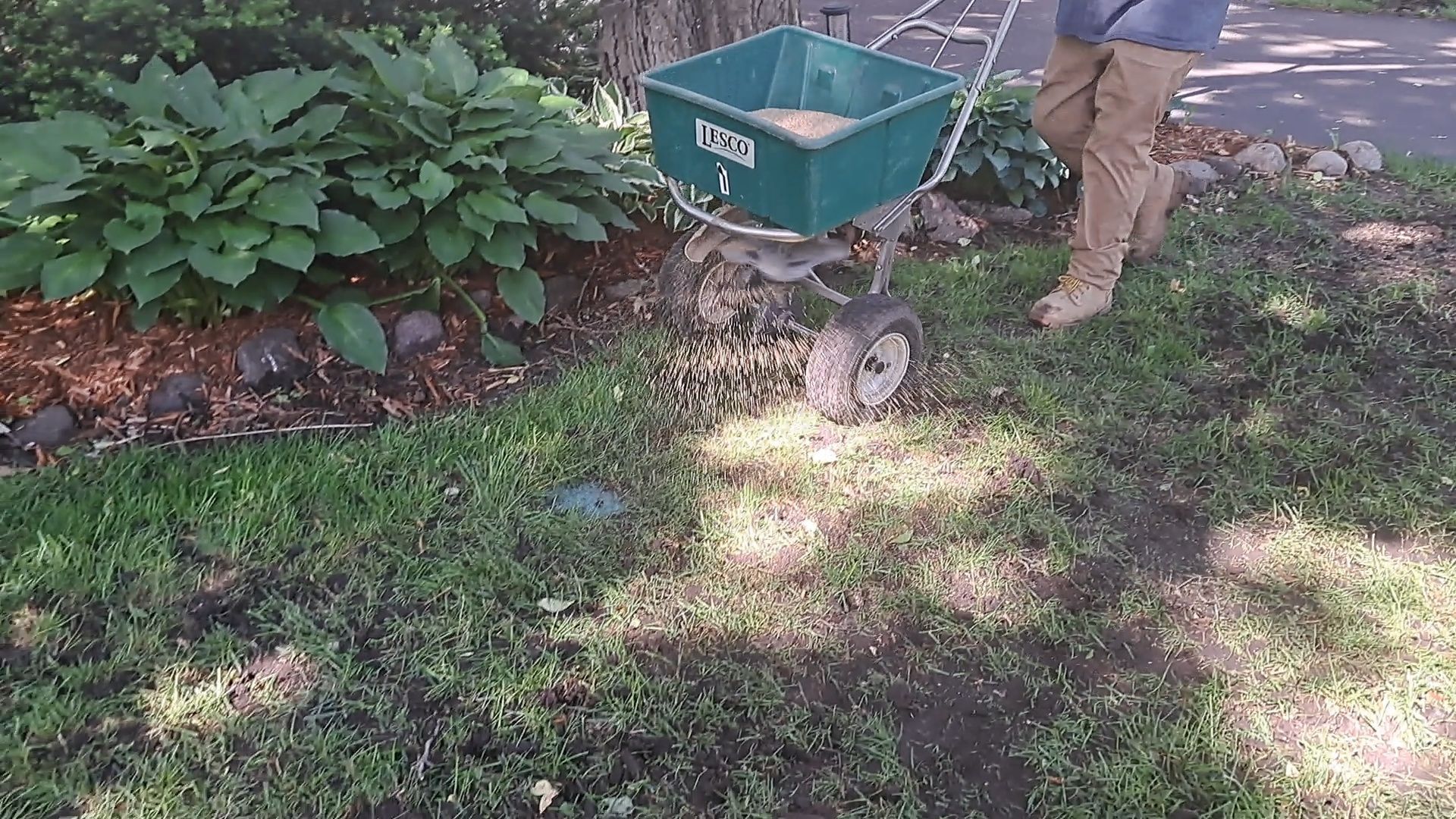
Can you use compost as lawn fertilizer in Minnesota? Learn how compost feeds turf, how to apply it, and where it fits. Get a free quote.
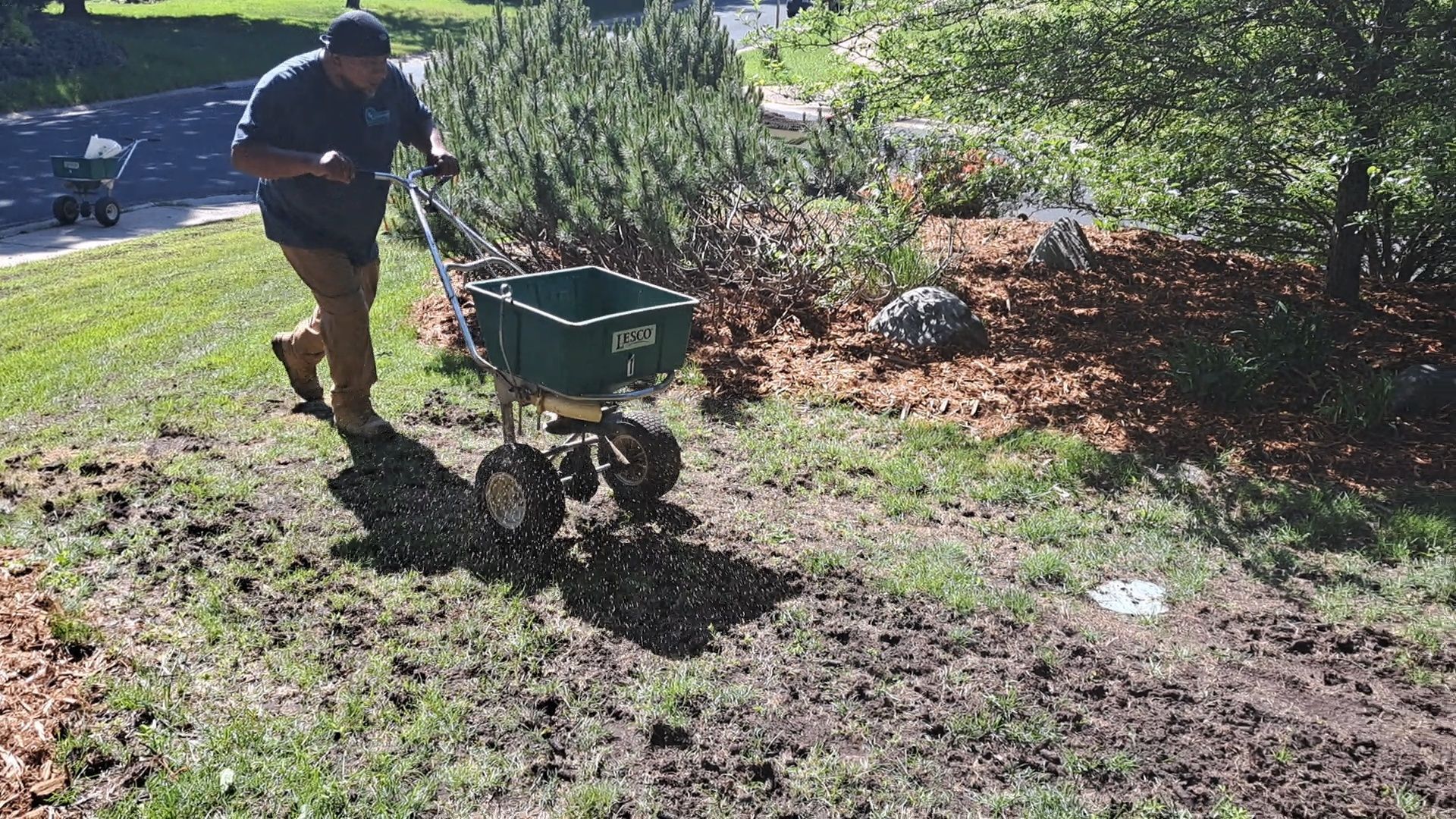
Organic weed control for Minnesota lawns: what works, what doesn't, and how to manage weeds without harsh chemicals. Get a quote.

Keep your lawn and your pets safe. Pet-safe lawn care tips for Minnesota yards, from products to timing. Get a free quote.
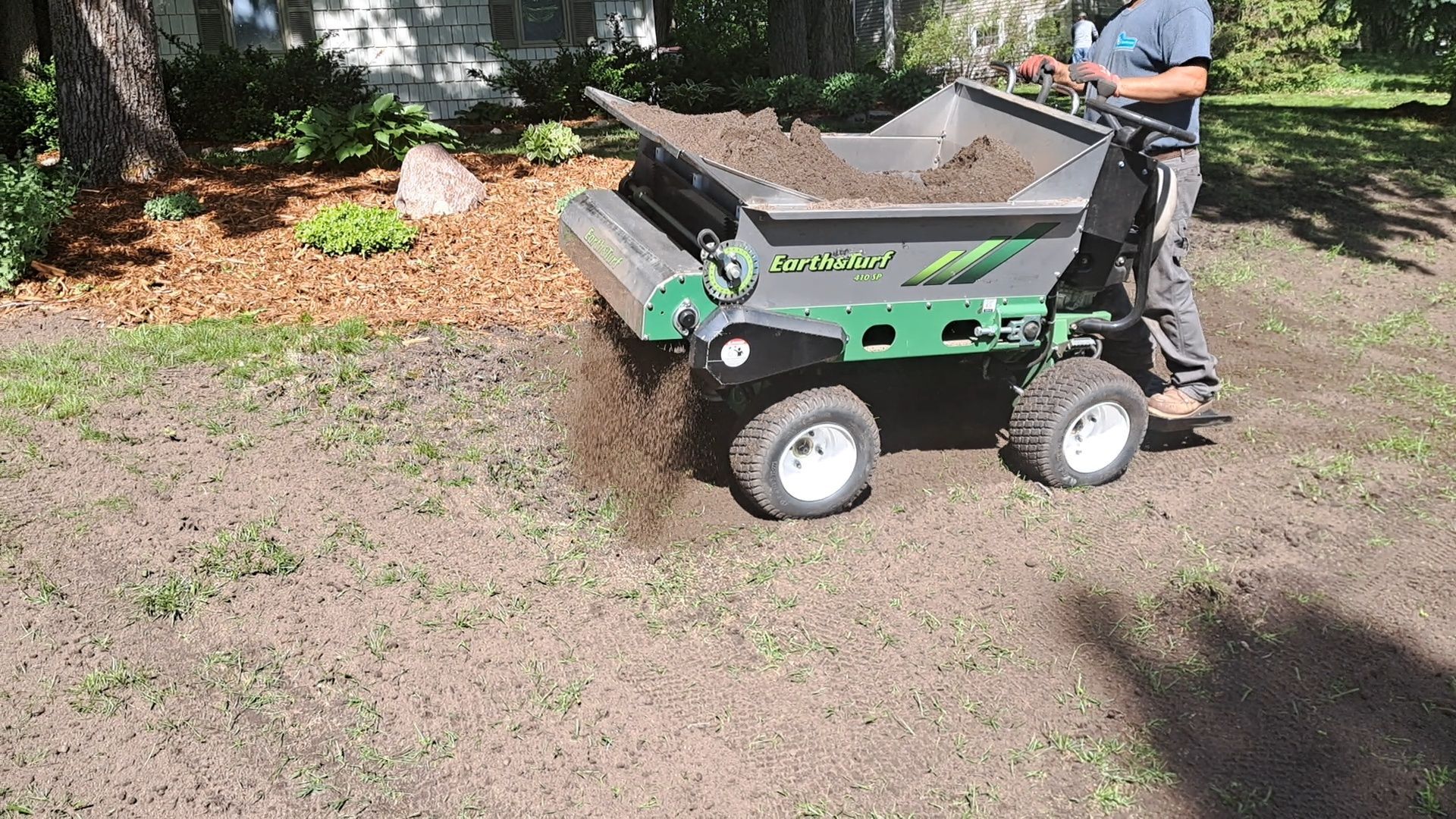
Looking for the best organic lawn fertilizer in Minnesota? See top options, how they feed your turf, and what KG uses. Get a quote.
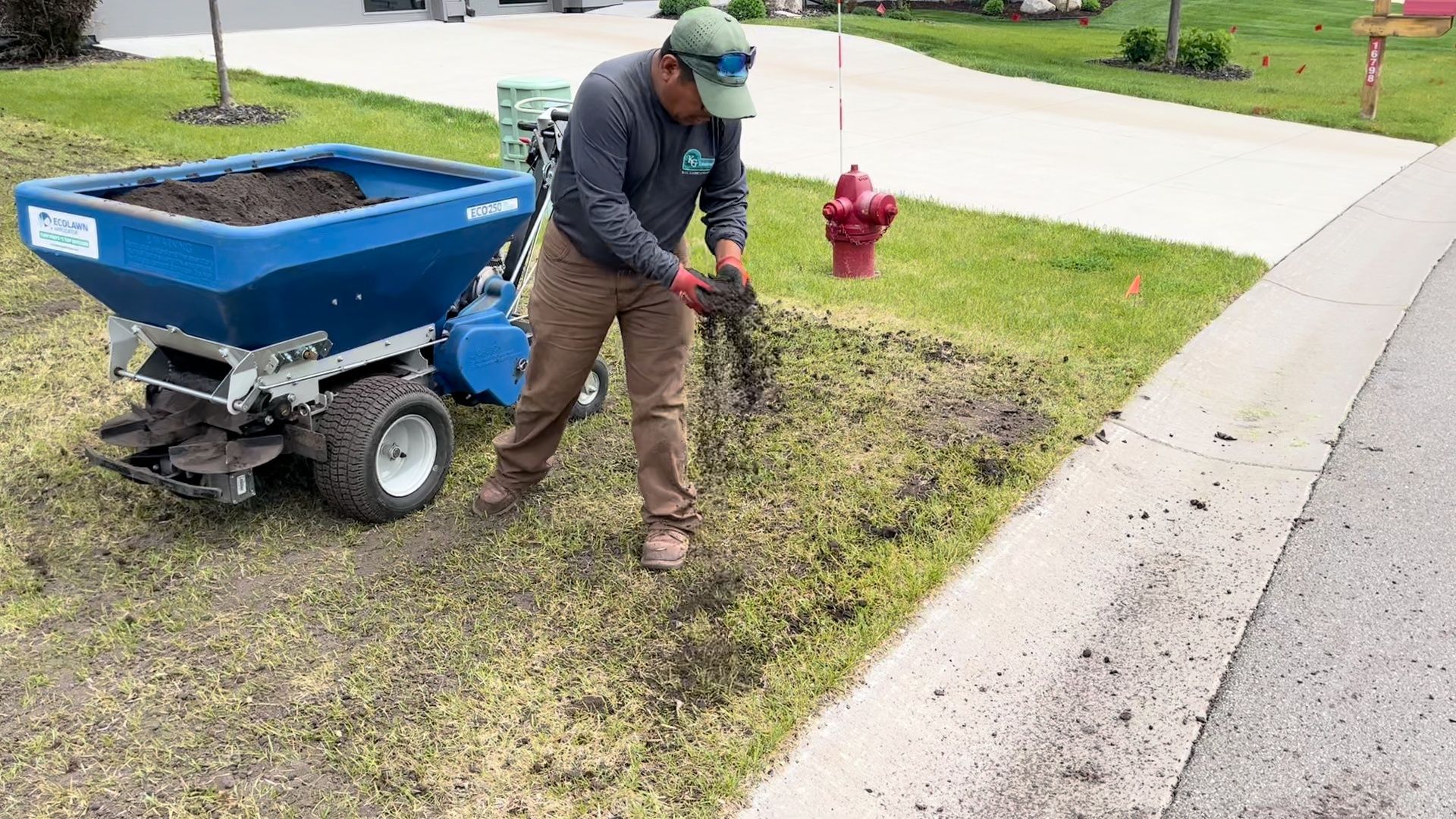
Is compost a fertilizer? Learn what compost does for your Minnesota lawn, how it differs from fertilizer, and when to use it. Get a quote.
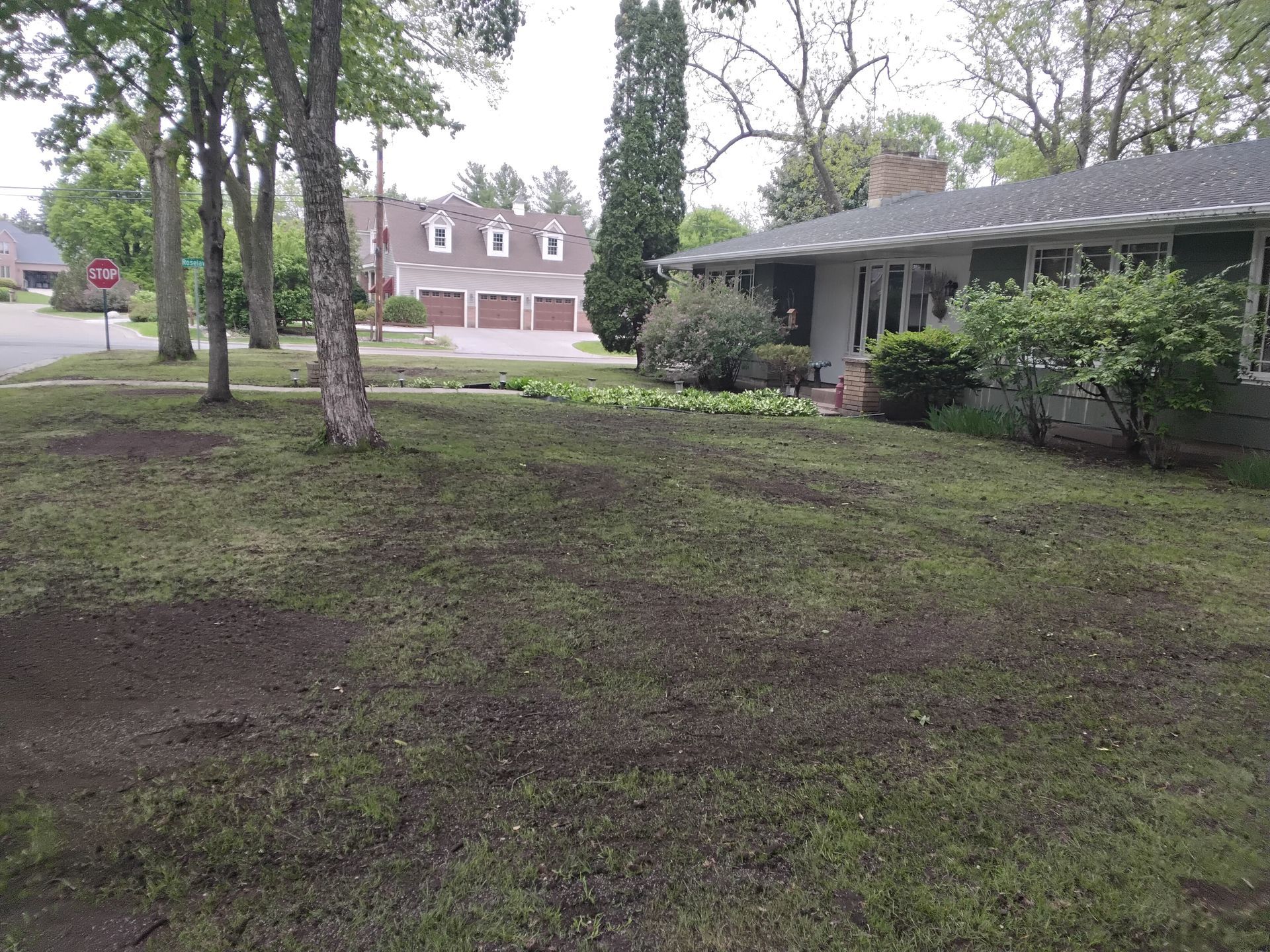
Compost feeds the soil, fertilizer feeds the grass. Learn which your Minnesota lawn needs, when to use each, and how to apply both. Get a quote.
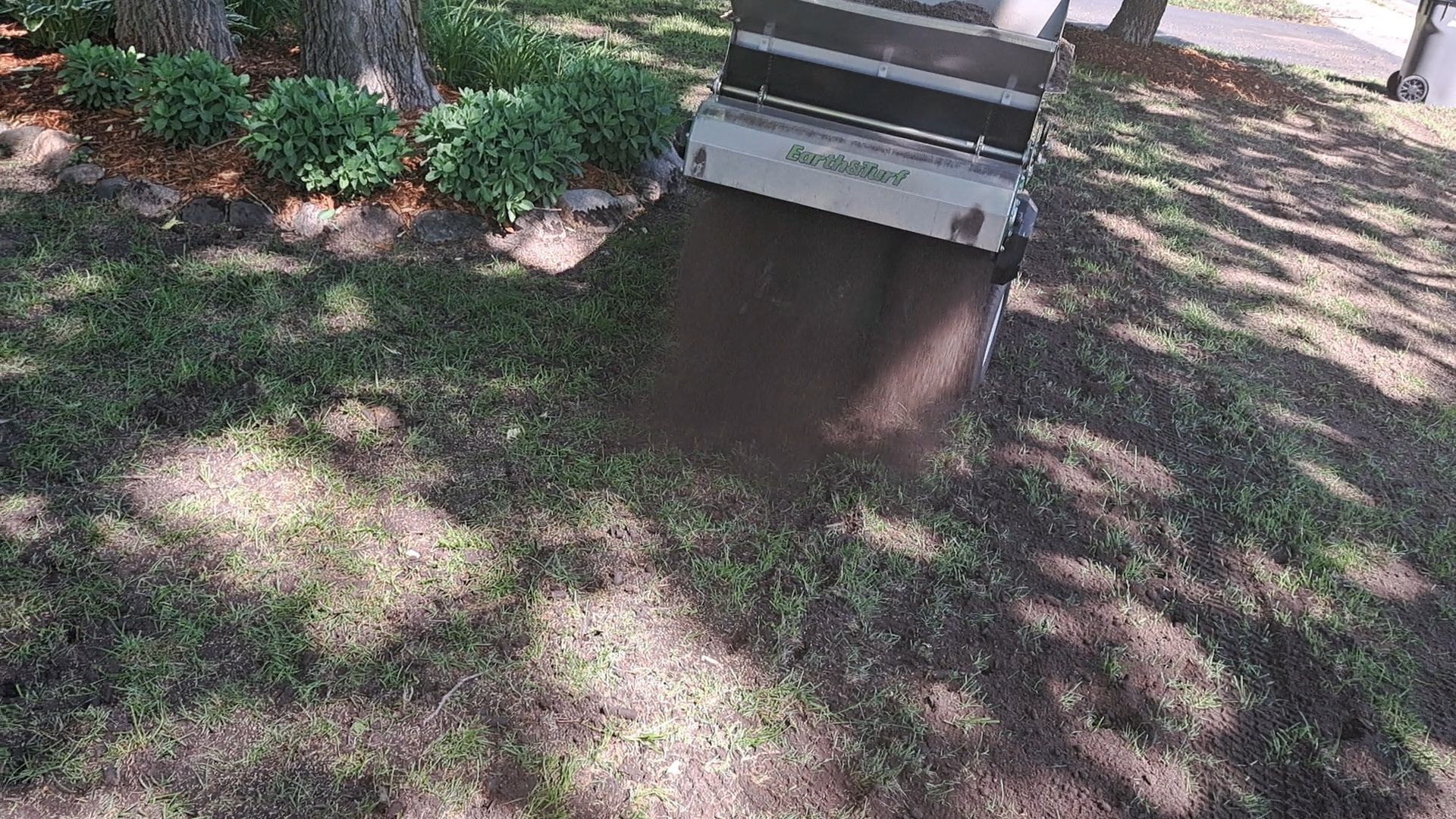
Eco-friendly lawn care tips for Twin Cities yards: cut chemicals, save water, and build healthy soil naturally. Get a free quote.
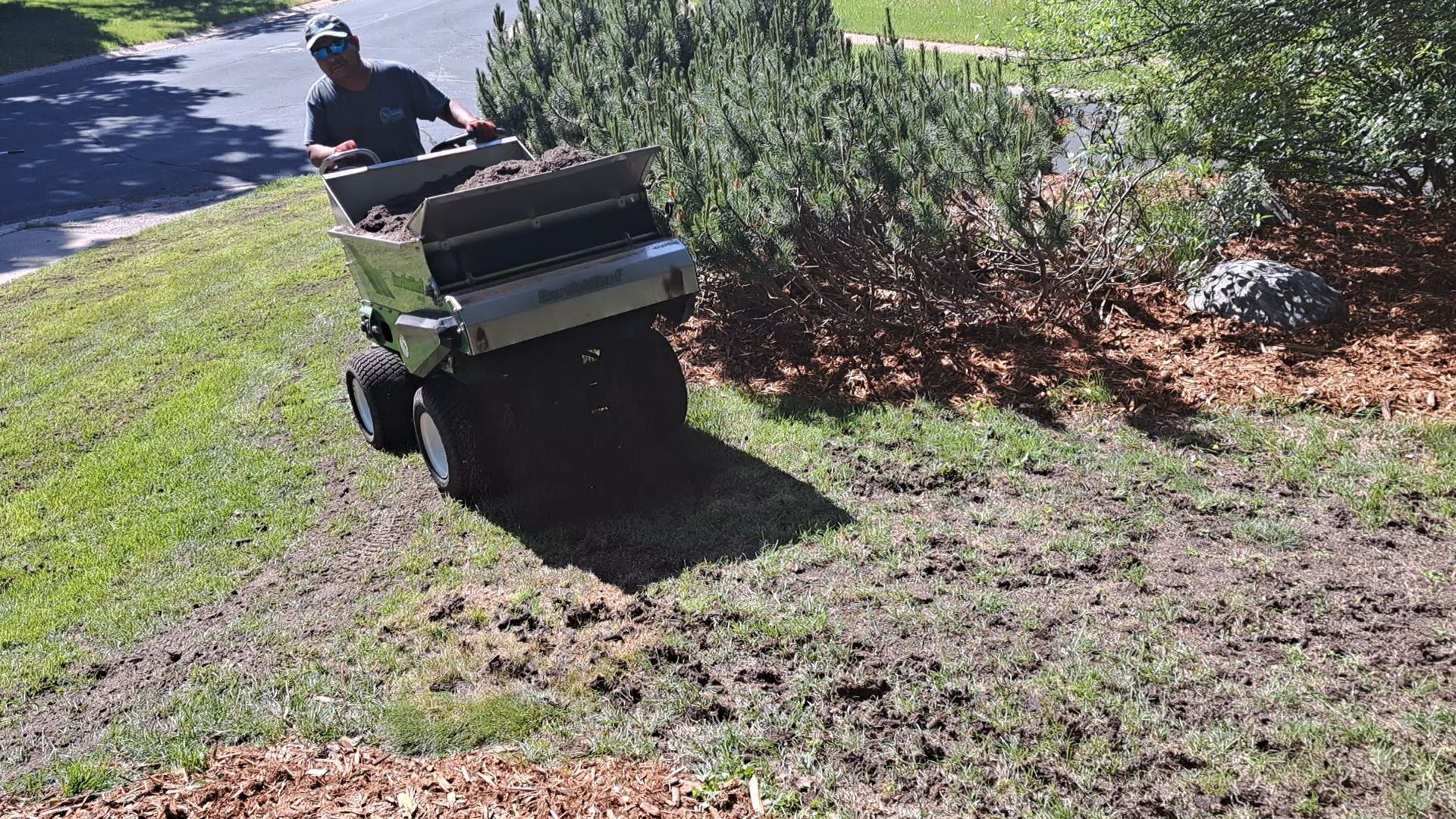
Simple, proven lawn care tips for Minnesota yards: mowing, watering, feeding, and building healthy soil that lasts. Get a free quote.