What is Hydroseeding?
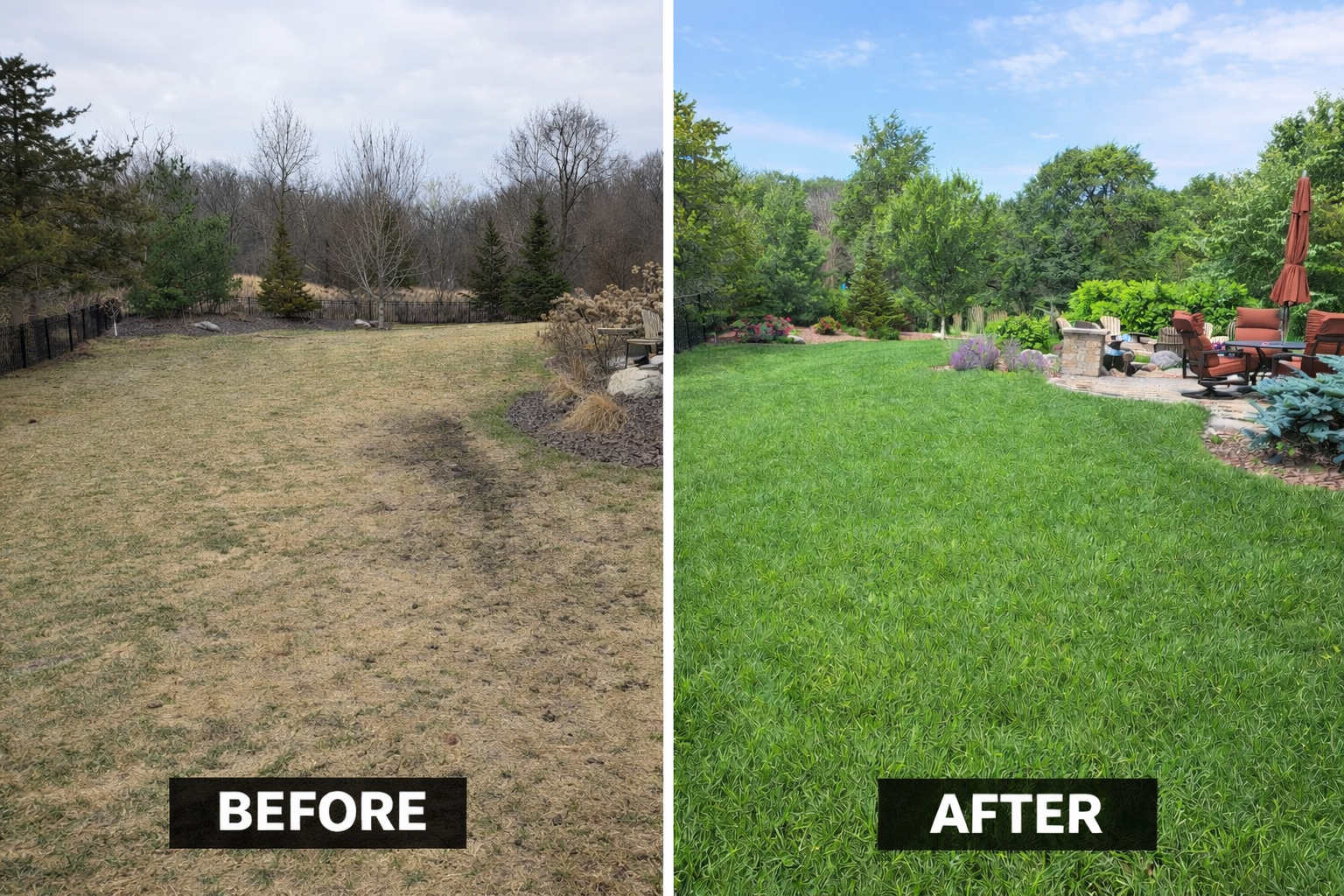
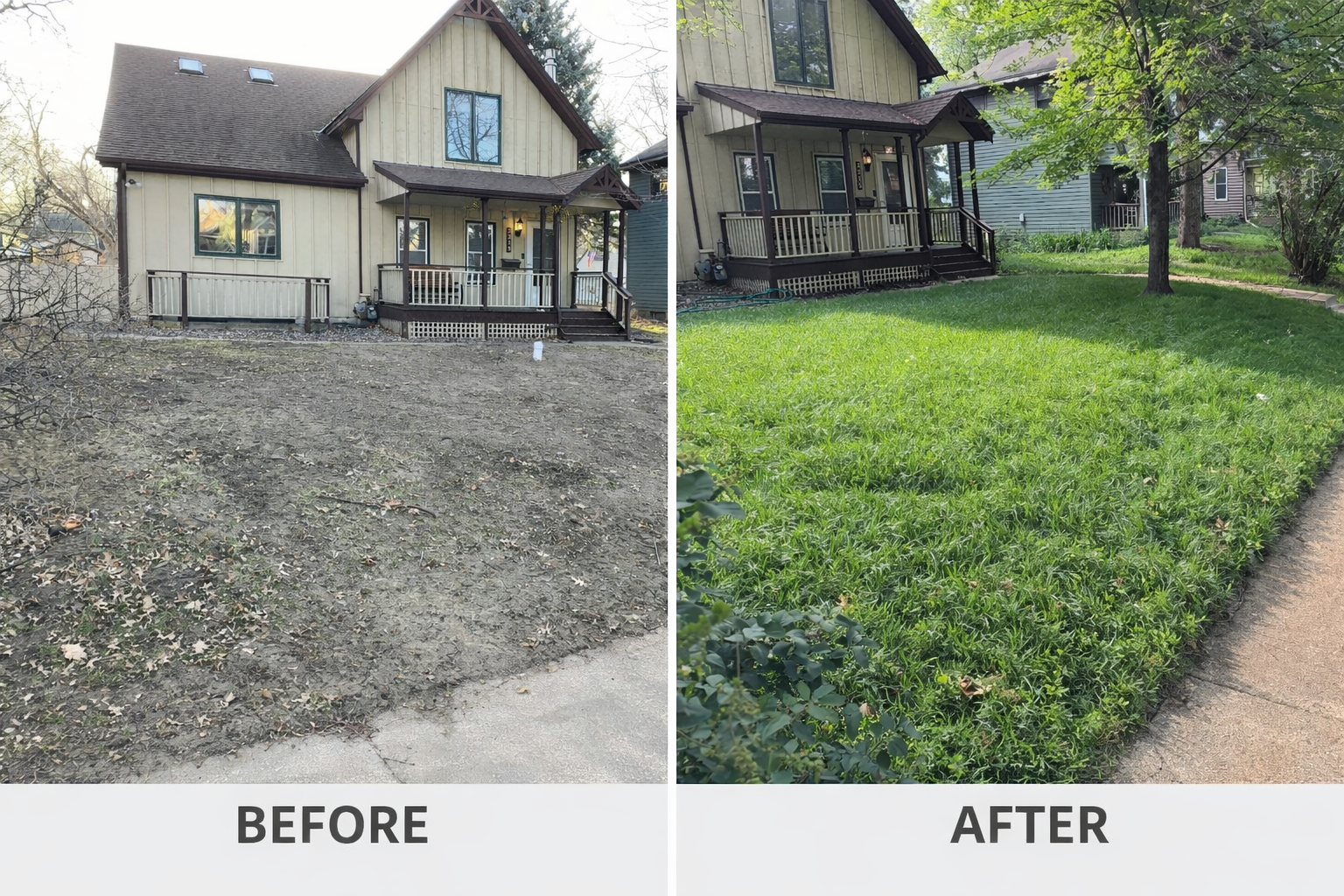
Hydroseeding is a seed planting process that uses a slurry of seed, mulch, and fertilizer. Hydroseed is applied using a hose running from a large pressurized tank. The hose sprays the green colored hydroseed mix out over the prepped soil. Hydroseeding is much more cost effective than sodding, but takes weeks to germinate and months before it is a fully usable lawn. Hydroseeding has become common in the Minneapolis lawn and landscape industry for its effectiveness over manually spreading seed and its cost effectiveness over sodding in large areas.
What is Sodding?
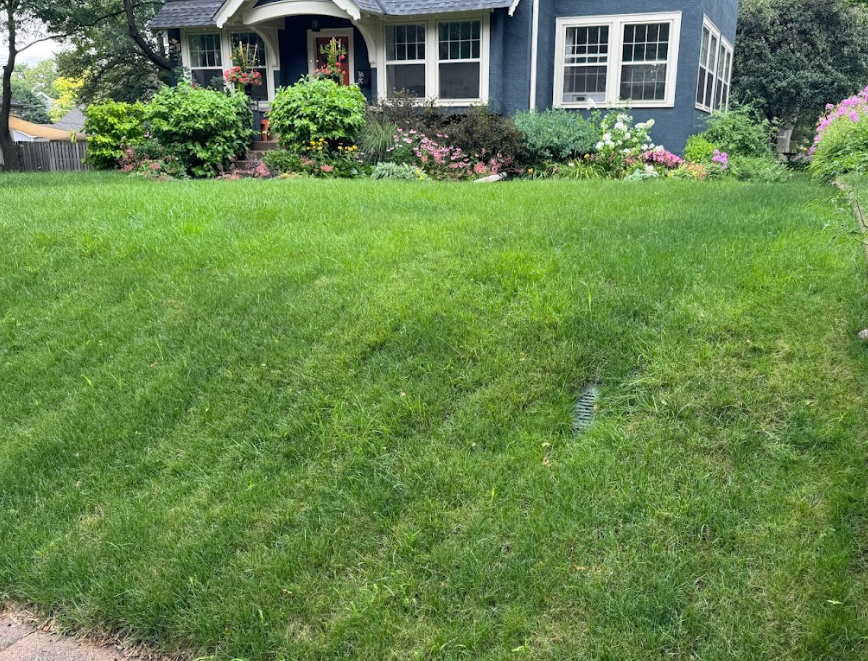
Sod is simply grass and a small part of the soil beneath it held together by the root system. Sod comes in rolls from local farms that specialize in growing grass in large wide open fields. Sodding is the process of installing those rolls of established grass onto your prepped soil to create new turf area. Sodding is the quickest way to create an established turf space at your home, but comes at a higher cost than going through the seeding process.
Should I hydroseed or sod my Minneapolis lawn?
That depends, both have their advantages. A better question may be, “Do you want a lush green lawn right away?” Or, “are you willing to wait and put in some extra time and energy into that lush green lawn while keeping some extra money in your pocket?” Ultimately it will usually come down to time vs. money for most homeowners deciding between the two. Sod is instant gratification with an added cost, while seeding is a process that requires work but is cheaper. When sodding you let the farmers do the hard work, they take the time to grow the beautiful grass before you get it. When seeding, you are the farmer! As a farmer you will be overseeing the new growth of your crop.
Factors to Consider Before Deciding Between Hydroseed or Sod
Type of Grass
In Minnesota, 99% of the sod grown on sod farms is bluegrass. A few varieties of bluegrass is usually used and is picked to give you optimal color, wear, and drought tolerance. Bluegrass does best in full sun areas. When hydroseeding, there are going to be many more options of grass types and varieties to pick from. For example, if you are looking to establish a new lawn in an area with mature trees, you will have the option to use a seed mix with both sun and shade tolerant seed varieties to give your turf the best chance to thrive in the specific light conditions.
Watering
When sodding or hydroseeding your lawn, the watering guidelines are very similar. Both require diligent watering schedules to give you the best results. There is no point in spending the money on either if you are not going to water as recommended. Watering is the most important thing you can do for your lawn after both sodding or hydroseeding. That being said, forgetting a watering or slacking on your watering requirements when caring for hydroseed will be much more detrimental to your end product than doing so while caring for sod. Check out our blog for the
watering requirements for sod
if you would like more information.
The preparation process for both sodding and hydroseeding is similar. When starting from scratch with black dirt, you want to make sure the major grading and finish grading has been competed prior to sodding or seeding. No amount of grading will ever give you a perfectly flat area (think golf course fairway). There will always be a few small variations and dips even after the finish grading is done.
The only real prep difference when sodding vs hydroseeding is that the sod will cover up some of the small imperfections in the final grade due to it acting as a 1” blanket over the soil. The small variations will still be there but you won’t be able to see them. When hydroseeding, the hydroseed mulch is a very thin layer that will hug any variations in the final grade. The grade will eventually even out but you will see the imperfections for a bit.
Sodding will do a better job to prevent washout along hillsides or areas that have known water issues. There are some extra sticky additives that can help with erosion control when hydroseeding, but sodding with a few wire staples to keep the sod in place is the best erosion prevention.
Filling in Thin or Bare Spots after Hydroseeding
Sod farmers spend extra time to make sure the sod they sell you is thick and lush. You will need to put in a similar effort with your newly hydroseeded lawn. No seeding will give you a 100% perfect lawn right out of the gate. If you want that perfect lawn, you should be sodding rather than seeding. After hydroseeding there will undoubtedly be some bare or thin spots in your lawn for a season or two. Oftentimes, the new seed has not completely filled in or maybe has trouble growing in a few areas. It is common to supplement your new lawn in the seasons after your initial seeding. The most common and cost-effective way to do so is by aerating and overseeding. If there are just a few small sections that need a boost, then buying a bag of fine screened black dirt and seed will suffice.
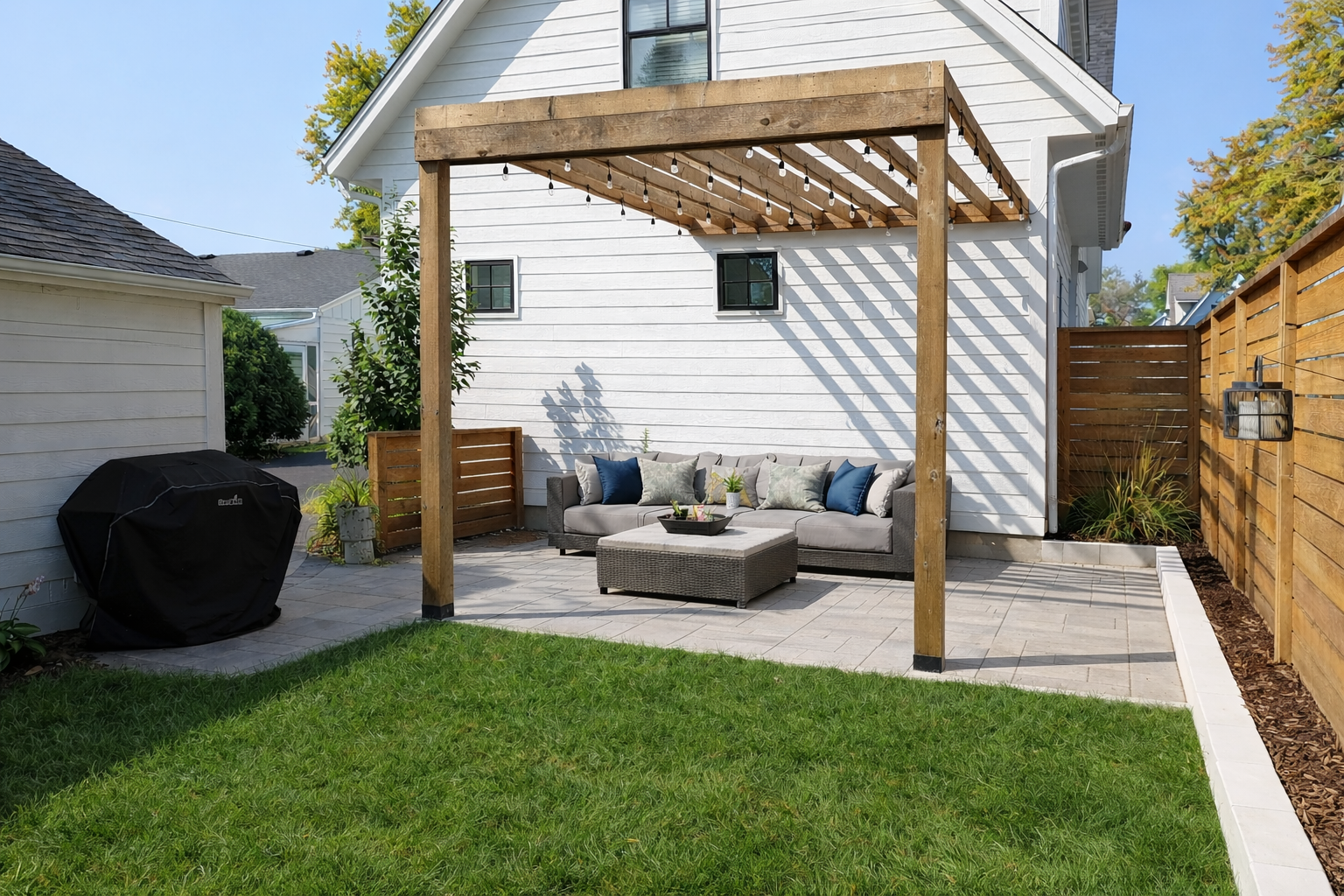
After reading the comparisons above it may seem like sodding is usually a better option, but remember it will often times come down to time vs. money. Let’s compare sodding and hydroseeding a typical 6,000 square foot Minneapolis lawn. Assuming the areas has been prepped and is ready for installation, here is an example of what the rough cost would be for the two. To sod the lawn, you would be looking at spending around $5,000 to create a perfect lawn that will looks great the same day and usable within 2-3 weeks. Hydroseeding will cost around 1/3 of that, at around $1,700, but the lawn won’t be ready for heavy traffic for a few months. That savings could be put toward a new
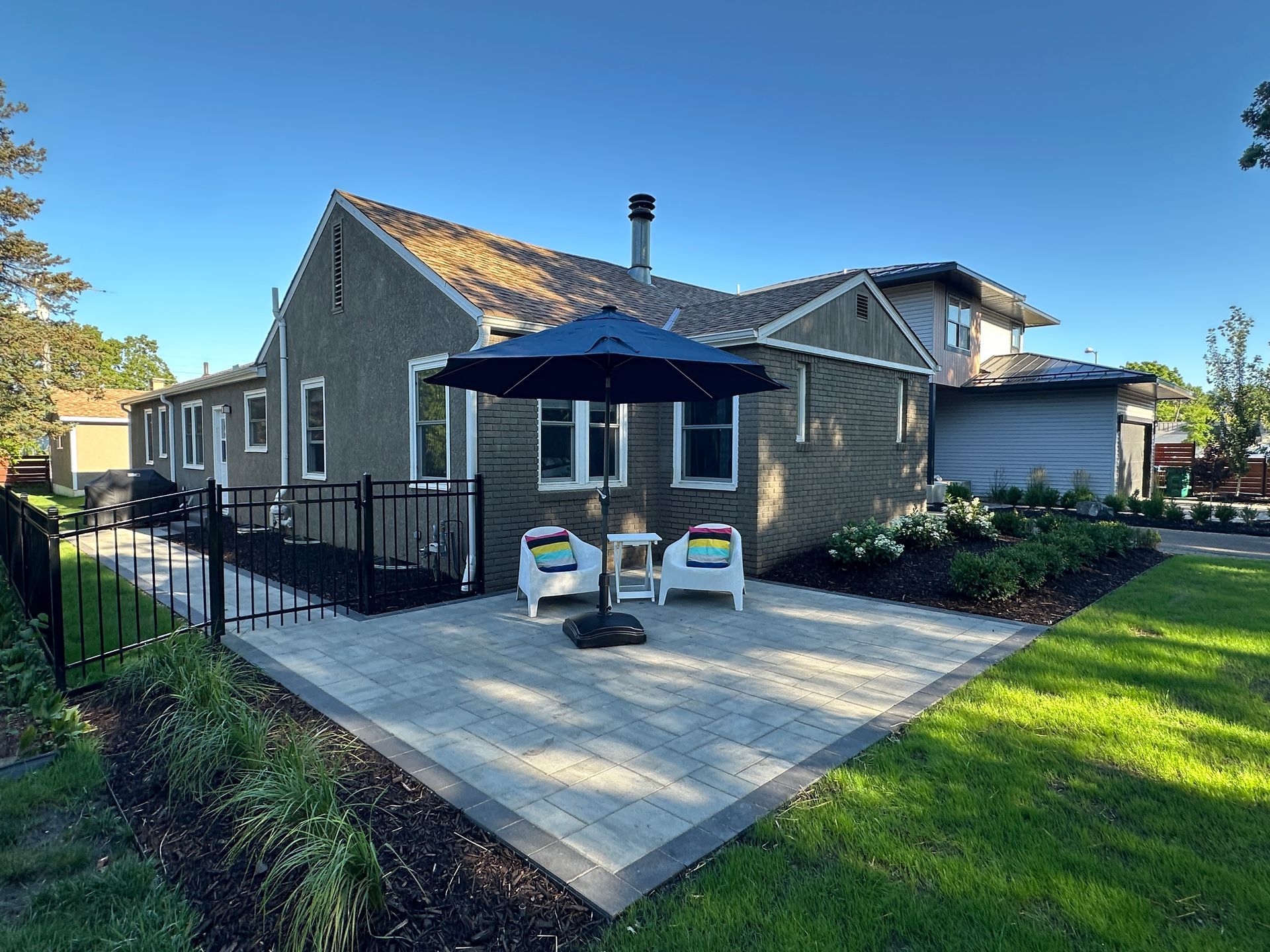
patio
or new plantings
. Alternatively, the cost saving, may be the difference between doing the lawn improvement or not. Again, it comes down to time vs. money.
So…. should I hydroseed or sod my lawn?
That’s for you to decide, but hopefully this blog helped point you in the right direction! There will be times that the pros or cons of one option will outweigh the other. In most cases, it will come down to how soon you want that perfect lawn. How much is it worth to have your kids staying inside rather than playing out in the yard? How far is the nearest park when you want to throw old yeller the tennis ball while waiting for the grass to grow in?
If all your lawn renovation questions, call us today to schedule a consultation at 763-568-7251. You can also submit a
quote request to get in contact with us!