Landscape Design in Wooded Areas

Minnesota is home to 17.7 million acres of forestland. With about a third of the whole state covered in trees, there’s a decent chance your property borders on a wooded area—yes, even in Minneapolis . While these forests can be absolutely beautiful, they can also make landscaping tricky. In this post, owner of KG Landscape, Kent Gliadon, weighed in on how to design a landscape to make your home almost feel like part of the forest.

Edging

The first step is to figure out where you’d like to begin transitioning from managed lawn to unmanaged forest. You want to literally draw a line in the sand (or, you know, soil). Once you decide upon a spot, you’ll want edging to delineate this area. This can be done with a shovel cut (using a spade to dig up the existing grass to a depth of about 6 inches) or by laying  edging pavers  .

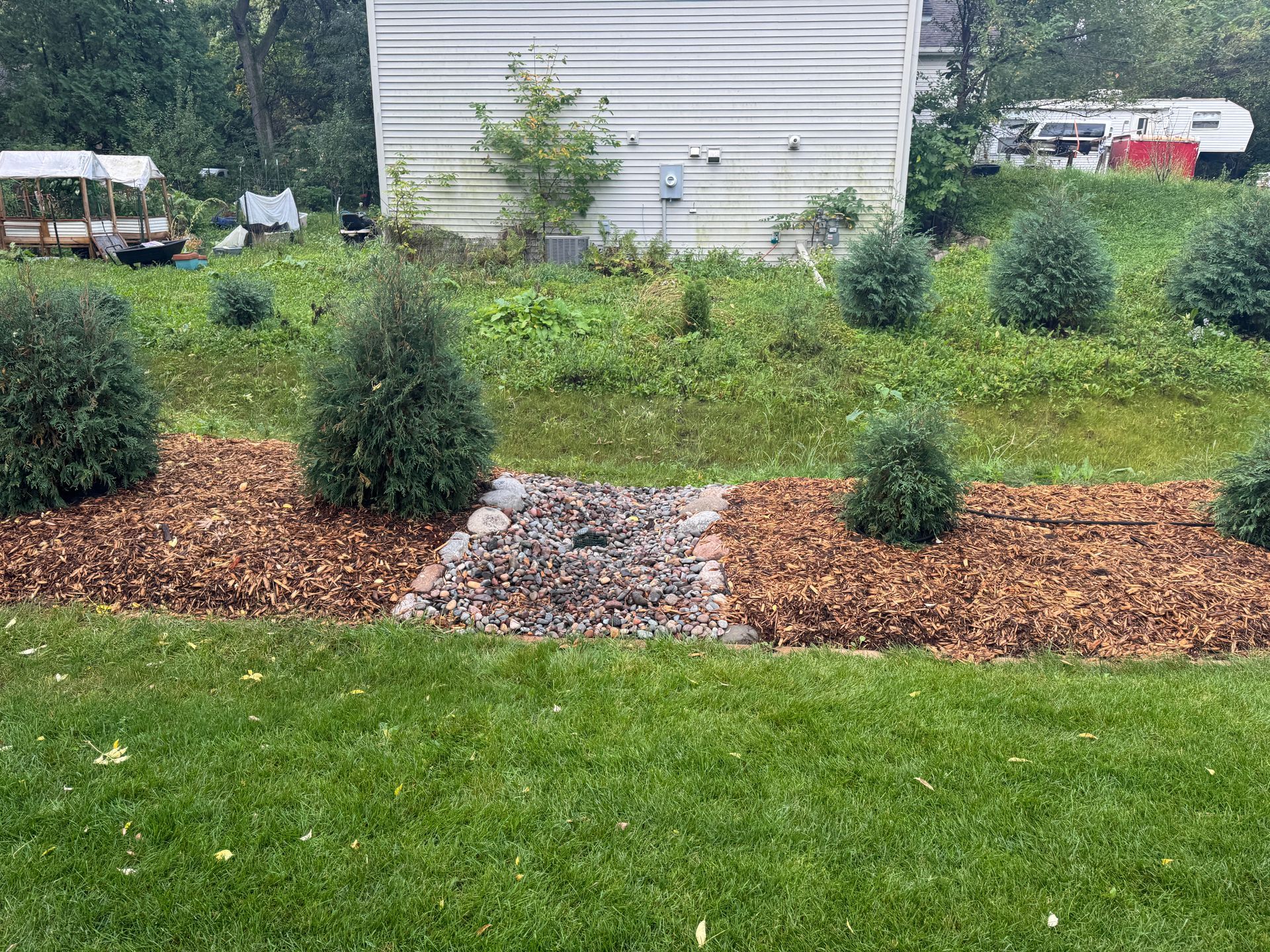
Shade gardens can be mulched or filled in with rock. For a garden on the edge of the woods, we recommend mulch. Not only does it provide a softer transition from yard to garden to woods, but it will look more natural, as it’s closer to the makeup of the forest floor. Mulch comes in a variety of colors, so you can choose which one complements your yard and plant choices best. It can also help retain water for your plants and keep weeds down.

Once you’ve decided where the garden should be placed and which mulch to use, it’s time to start planting.

Plants for a Wooded Area

It’s important to keep in mind that this area will be more shaded than the rest of the lawn, so choose plants accordingly. Fancy plants may have more eye appeal than some of the shade-tolerant plants, but they might not be quite as hardy. You’ll also want to plant in large groupings, with plants that will fill in, spread out, and grow together. Because of this garden’s proximity to the woods, it may be a distance from your home, and you’ll want to be able to see the plants well from inside or from the patio. These mass plantings will be easier to see, plus if you choose blooming plants, they’ll all flower at once for a stunning effect. Keep it simple—the distance means you may not notice small plantings.

Ground cover

As with some other landscaping projects , you’ll want to plant from shortest to tallest. Start with a ground cover plant(this also has the benefit of spreading out as the garden matures, covering any open spaces). We most often use sedum or vinca. Sedums have thick, waxy leaves, and come in many varieties. The vinca has softer leaves, but only a few color options. Using a ground cover also means less weeding down the road, as the plants you want will outcompete the ones you don’t.

Mid-size plants

Move on to a mid-height plant, such as hostas, ferns, or ajuga (also known as bugleweed). Hostas and ferns can be split once they get large enough, and ajuga will spread all on its own, perfect for your woodsy garden. Ajugas have the added bonus of blooming flowers in the spring, and like hostas, they offer a variety of foliage colors.

Tall plants

Next, you’ll want to plant something with a little more height. Bleeding hearts or monkshood (also known as wolf’s bane) can be good in this tier, adding color closer to the woods. If you don’t want flowers here, we recommend using dogwoods or other shade-tolerant shrubs on the backside of the planting. When possible, use native plants, as they’ll blend in more easily.

Vinca, hostas, and irises complement each other in this woodsy garden patch.

Forest

One benefit to growing a garden so near to a wooded area is that you don’t have to worry about defining the back edge. We recommend continuing your plantings into the first five to fifteen feet of the wooded area, but the deeper into the forest you go, the harder the new plants will be to appreciate from afar. When you’ve reached the edge of the bed, simply taper off the mulch.

And there you have it! A lovely shade garden that feels like it could almost be part of the forest.

Do you feel inspired to create your own wooded gardens? Our Minneapolis landscaping team would be happy to help. Give us a call at 763-568-7251 to set up a meeting, or send us a message. We’d love to hear from you!

Ready to Start on Your Next Project?

Call us at (763) 568-7251 or visit our quote page.
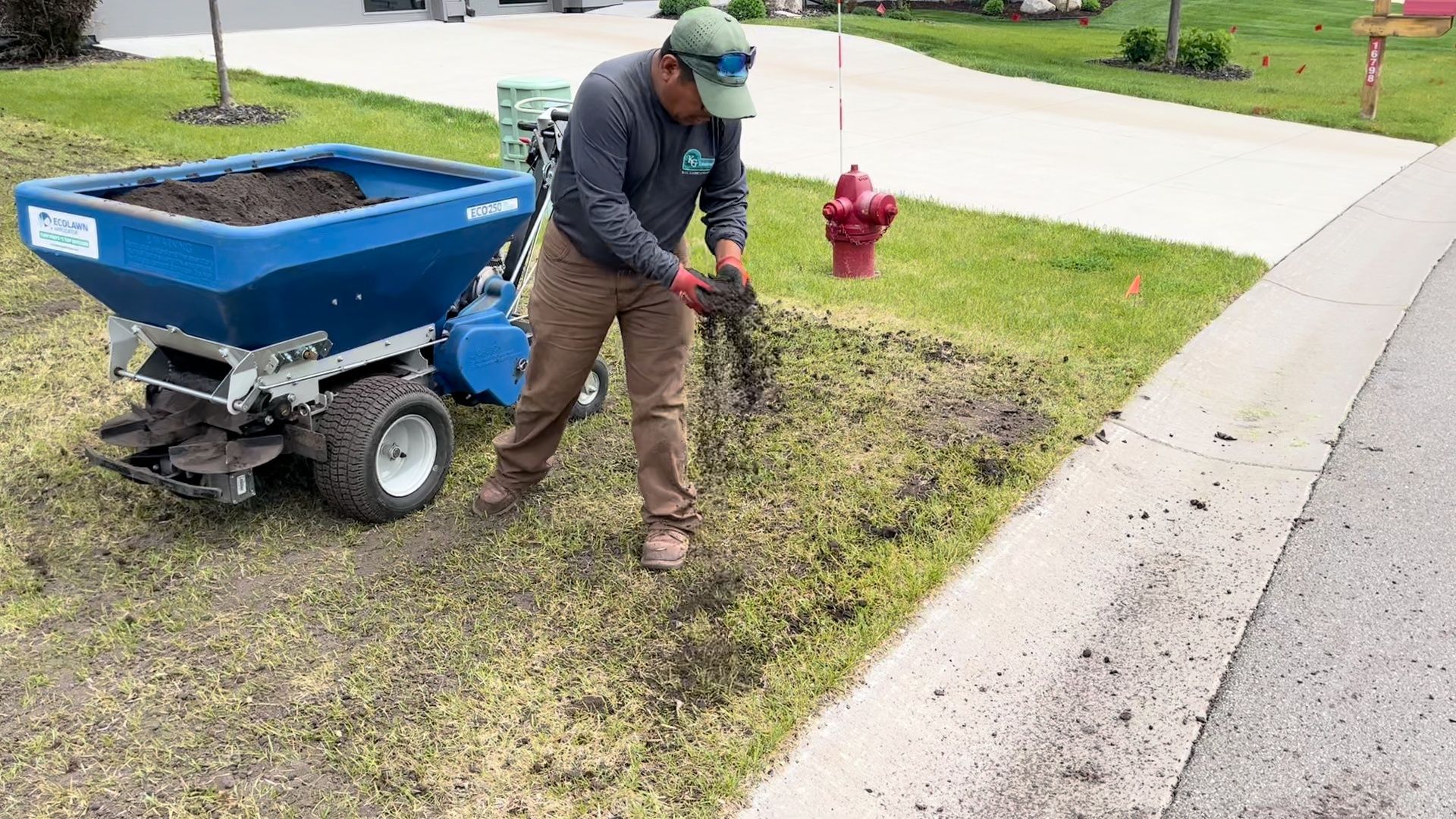
Power borrow dumping organic soil
By Kent Gliadon June 10, 2026
Can you use compost as lawn fertilizer in Minnesota? Learn how compost feeds turf, how to apply it, and where it fits. Get a free quote.
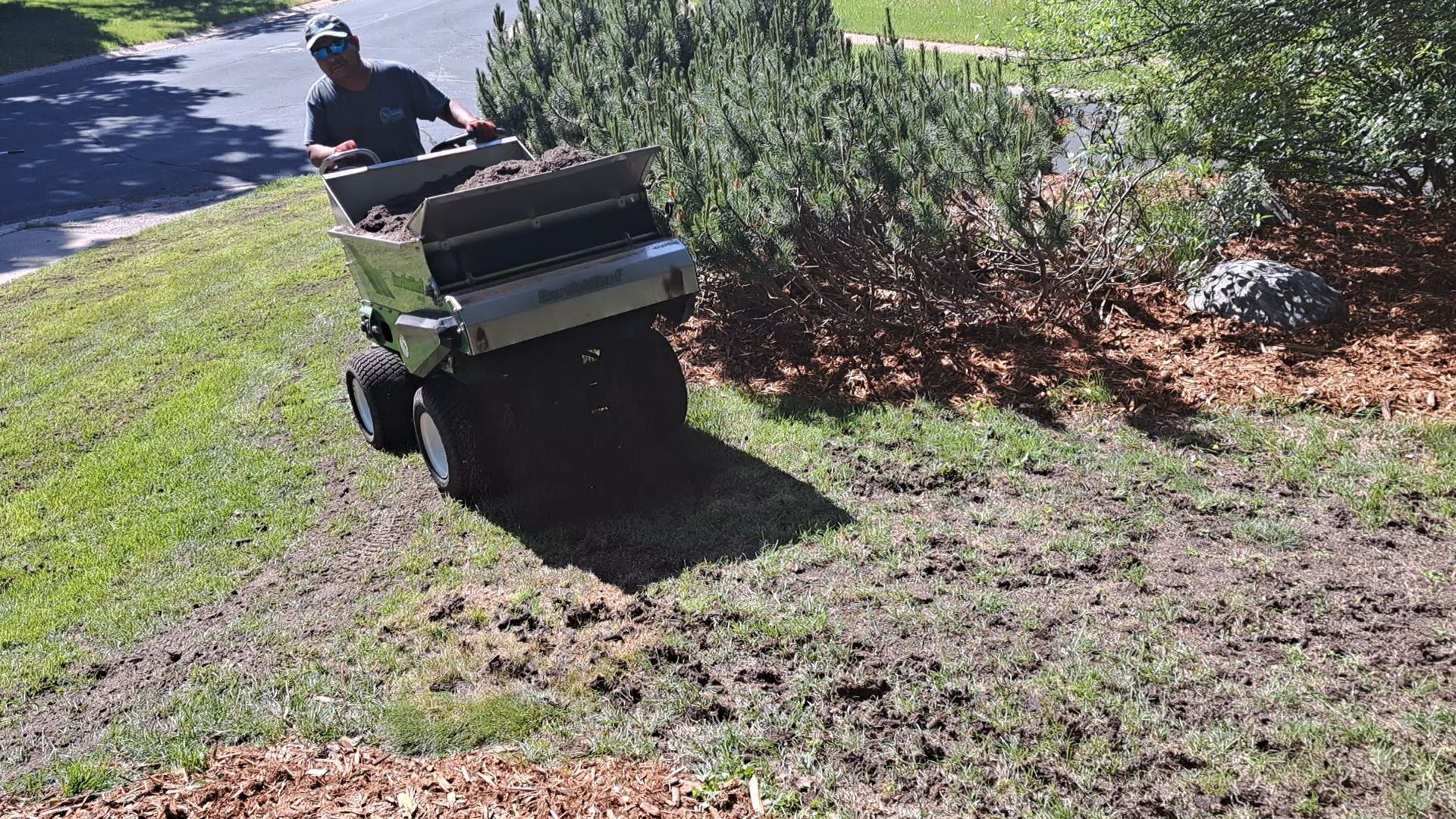
Overseeding organic soil on a lawn in Minnesota.
By Kent Gliadon June 9, 2026
Organic weed control for Minnesota lawns: what works, what doesn't, and how to manage weeds without harsh chemicals. Get a quote.
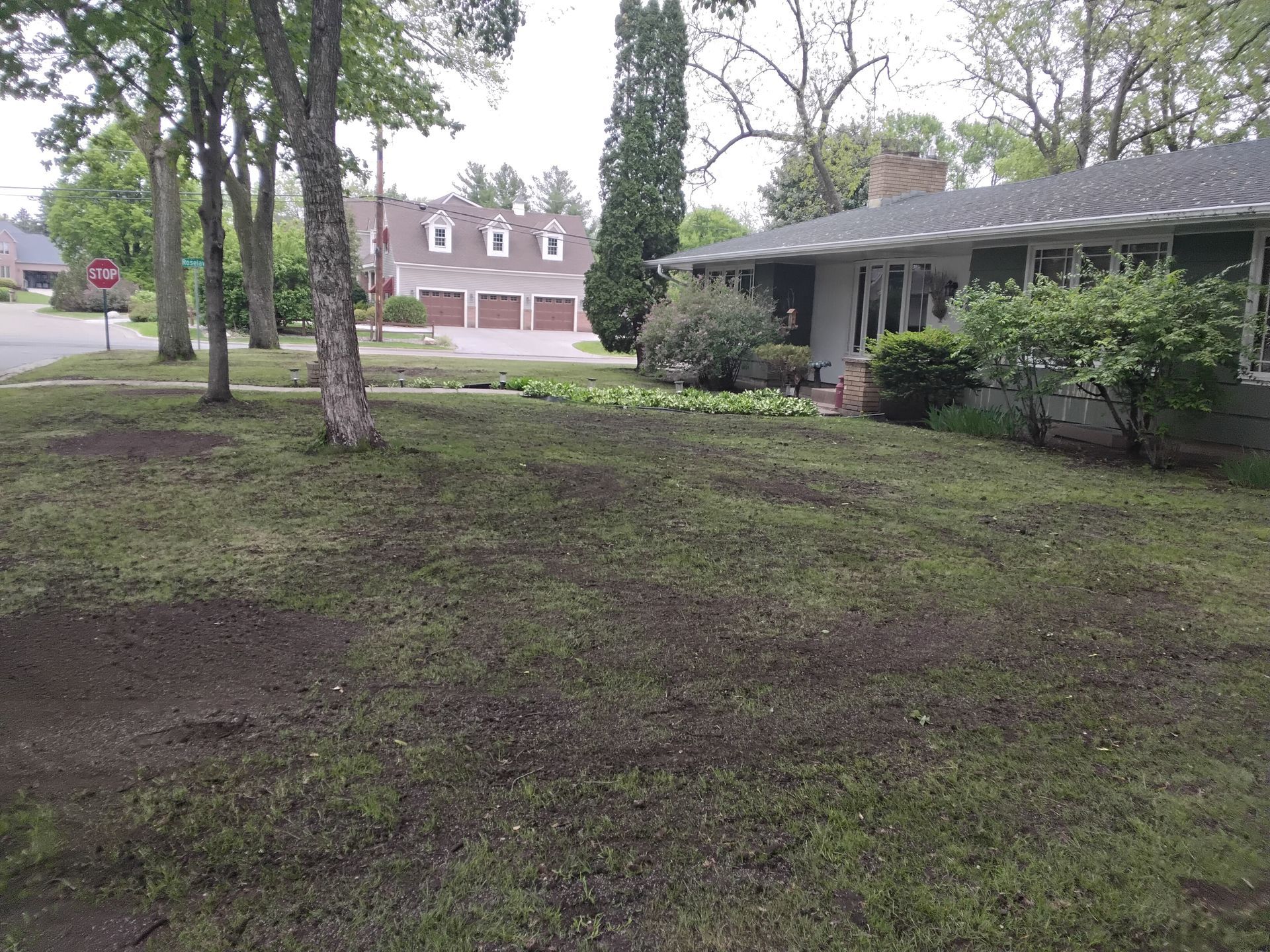
Lawn with fresh organic topdressing.
By Kent Gliadon June 7, 2026
This is a subtitle for your new post
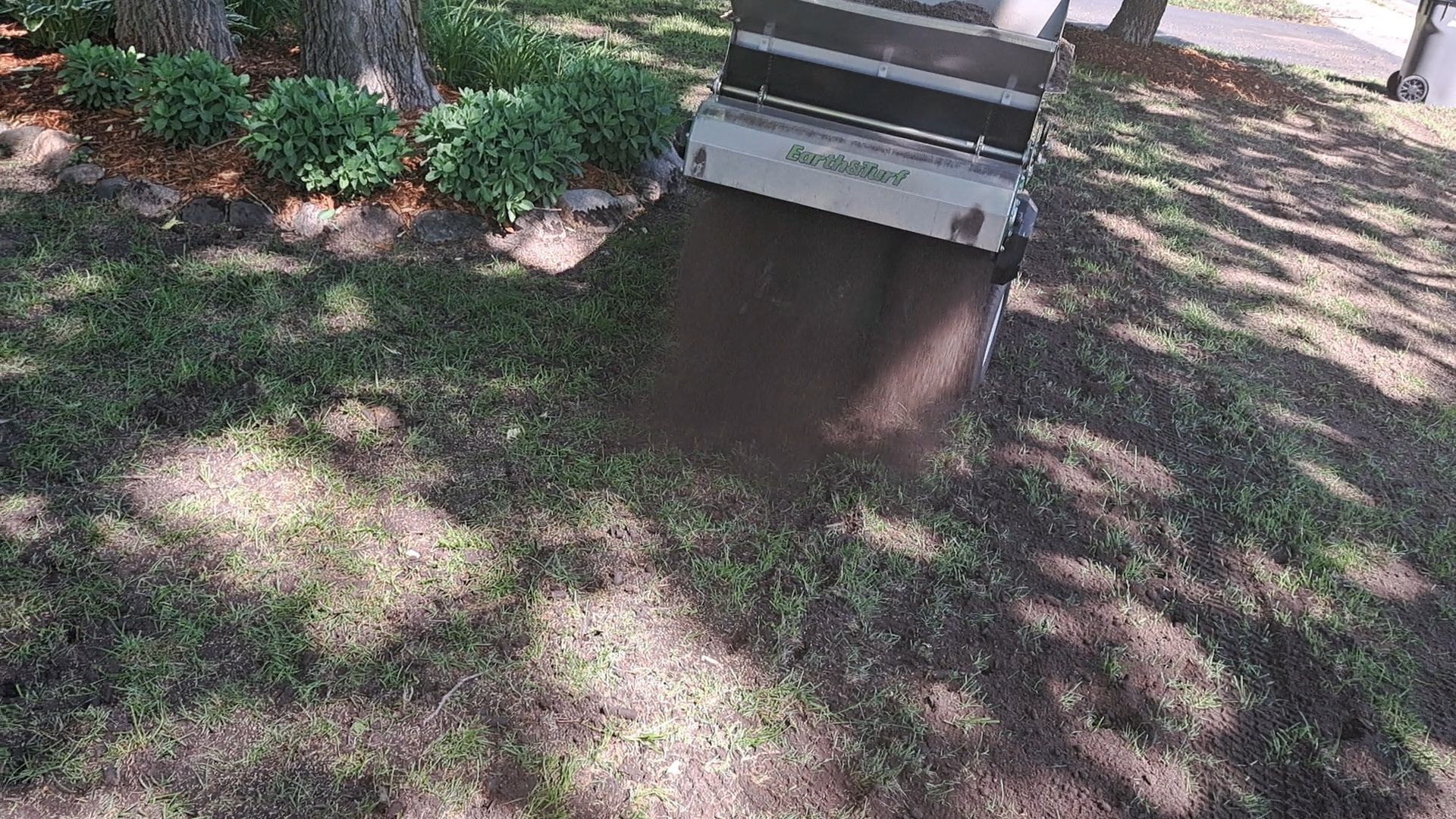
Organic Compost being distributed over lawn.
By Kent Gliadon June 6, 2026
Looking for the best organic lawn fertilizer in Minnesota? See top options, how they feed your turf, and what KG uses. Get a quote.
Spreading organic compost on Twin Cities lawn.
By Kent Gliadon June 3, 2026
Is compost a fertilizer? Learn what compost does for your Minnesota lawn, how it differs from fertilizer, and when to use it. Get a quote.
completed organic top soil on lawn
By Kent Gliadon June 1, 2026
Compost feeds the soil, fertilizer feeds the grass. Learn which your Minnesota lawn needs, when to use each, and how to apply both. Get a quote.
Cart tipping organic topsoil.
By Kent Gliadon May 30, 2026
Eco-friendly lawn care tips for Twin Cities yards: cut chemicals, save water, and build healthy soil naturally. Get a free quote.
Providing topdressing to lawn in Minnesota.
By Kent Gliadon May 27, 2026
Simple, proven lawn care tips for Minnesota yards: mowing, watering, feeding, and building healthy soil that lasts. Get a free quote.
applying organic topdressing to lawn in Minnesota.
By Kent Gliadon May 22, 2026
Learn how to increase microbes in your Minnesota lawn soil with compost, aeration, and organic matter for healthier turf. Get a quote.
Commercial lot snow plowing in Edina, Minnesota
By Kent Gliadon May 14, 2026
Your Arden Hills office park needs to be clear before the morning commute. Here's how overnight commercial snow removal works.