
How to Keep Your Outdoor Fountain Running Smoothly
Outdoor water features add a great deal of serenity and nature to your landscape design. One of the most diverse and easy to maintain aquatic additions you can introduce to your property is a water fountain. These features also attract beautiful wildlife, adding to the overall charm and natural feel of your yard.
There are actually quite a few reasons why we recommend water fountains. We suggest fountains for both first-time water feature enthusiasts but also for seasoned pond and waterfall lovers. Here’s why.
Fountains Are Diverse
Finding the right water fountain is a matter of taking the time to match your current design with your water feature. Styles like modern, classic, and old English are popular trends for many fountain designs. For example, the more modern your garden or landscaping is, the more minimal your style should be. The right installation expert
can help you match your current style to your desired water feature.
Water Expands Your Yard
It may seem strange, but water features make your yard appear bigger than it is. Why is this? Well, perhaps you’ve heard interior decorators talk about the expansive properties in mirrors
and how they can make rooms look larger. The same can be said for water features. Water is nature’s mirror, and having a pond or fountain in your garden can make a huge difference.
Water Is Calming
Water has been used for its calming and meditative effects. From the reflective nature to the tranquil sounds, water fountains are a way of bringing bodies of water home. Introducing water features is a way to become closer to the natural world for both a tranquil and therapeutic effect.
Water Attracts All Sorts of Animal Life
Your yard can become a haven for wildlife such as frogs, birds, and fascinating insects with a water feature. The addition of water plantings only does more to attract incredible wildlife. With the right water fountain placement, you’ll find your yard bustling with new and exciting animal life.
Introduce Fish
Continuing with our wildlife trend, fish are also a possibility with backyard fountains and ponds. Depending on the size of your water feature, you have a few popular options. Larger features can house larger fish like Koi, while smaller ponds or fountains can house goldfish. You will have to be extra diligent in maintaining your water feature if you do decide to add fish, but we’ll get into that later on in the post. If you have curious pets like cats or dogs, fish may not be a good option because pets have been known to kill fish.
Water Fountains Are Pretty Easy To Maintain
Contrary to popular belief, water features
aren’t that difficult to maintain. They do, however, require regular attention. With so many moving parts and potential for growth, you’ll need to be mindful of algae buildup, blockages, and cleaning.
Speaking of maintenance, that’s what this post is all about. Let’s not waste any more time. Here’s what you should be doing to keep your outdoor fountain in good shape and living long.
Fountain Maintenance
Cleaning your fountain is not only necessary for plant and animal health but also for the lifespan of your water feature. If you don’t want to deal with constant repairs or to purchase a whole new fountain, you’ll want to maintain it regularly. Here are some easy steps you can take to keep your water fountain in good shape.
Keep Your Pump Clean
If you notice that your fountain isn’t running as smooth as it used to, there may be some buildup in the pump. Dirt, debris, and especially algae can stop up your pump and keep water from easily flowing through it. So, you’ll need to clean your pump every few weeks (even more so for areas with hard water).
The best way to clean your pump is to follow these steps.
Use the Right Cleaners
Most outdoor fountains are made out of concrete, stainless steel, or sometimes even copper. Therefore, your cleaner needs to be one that doesn’t cause unwanted wear or damage to your fountain. Cleaners like CLR (calcium lime remover) work well for removing mineral deposits. Vinegar is also a popular choice for cleaning outdoor fountains.
For the inside of the fountain, you can use hot water and mild dish detergent with a stiff scrub brush to clean off debris. If you notice mineral stains, you can go back to trusty vinegar to loosen and get rid of stains.
Once you’ve thoroughly washed the inside of the fountain, rinse out until all the detergent is gone. Wipe the walls down with a soft rag to ensure that there are no traces of detergents, vinegar, or other cleaning solution left behind. You can then plug it up and fill with distilled water for best results. Reinstall the pump and plug it back in!
Note: If you live in the Minnesotan cold, you will want to drain, clean, and take apart your fountain once it begins getting cold. You don’t want to deal with frost and melted debris come springtime, which can be a huge mess and a massive headache.
Keep Your Fountain Running Smoothly
Taking the time to perform monthly or even weekly cleaning and maintenance on your fountain
will keep it running without a problem. The more you stick to a regular schedule, the less of an issue cleaning will be down the line. Forgetting to clean out your pump for months on end can lead to a pretty disastrous cleaning situation.
Are you looking to add a water feature to your property? We are experts in water feature design and construction and would love to give you a hand. Contact us today
for a quick quote.
Ready to Start on Your Next Project?
Call us at (763) 568-7251 or visit our quote page.
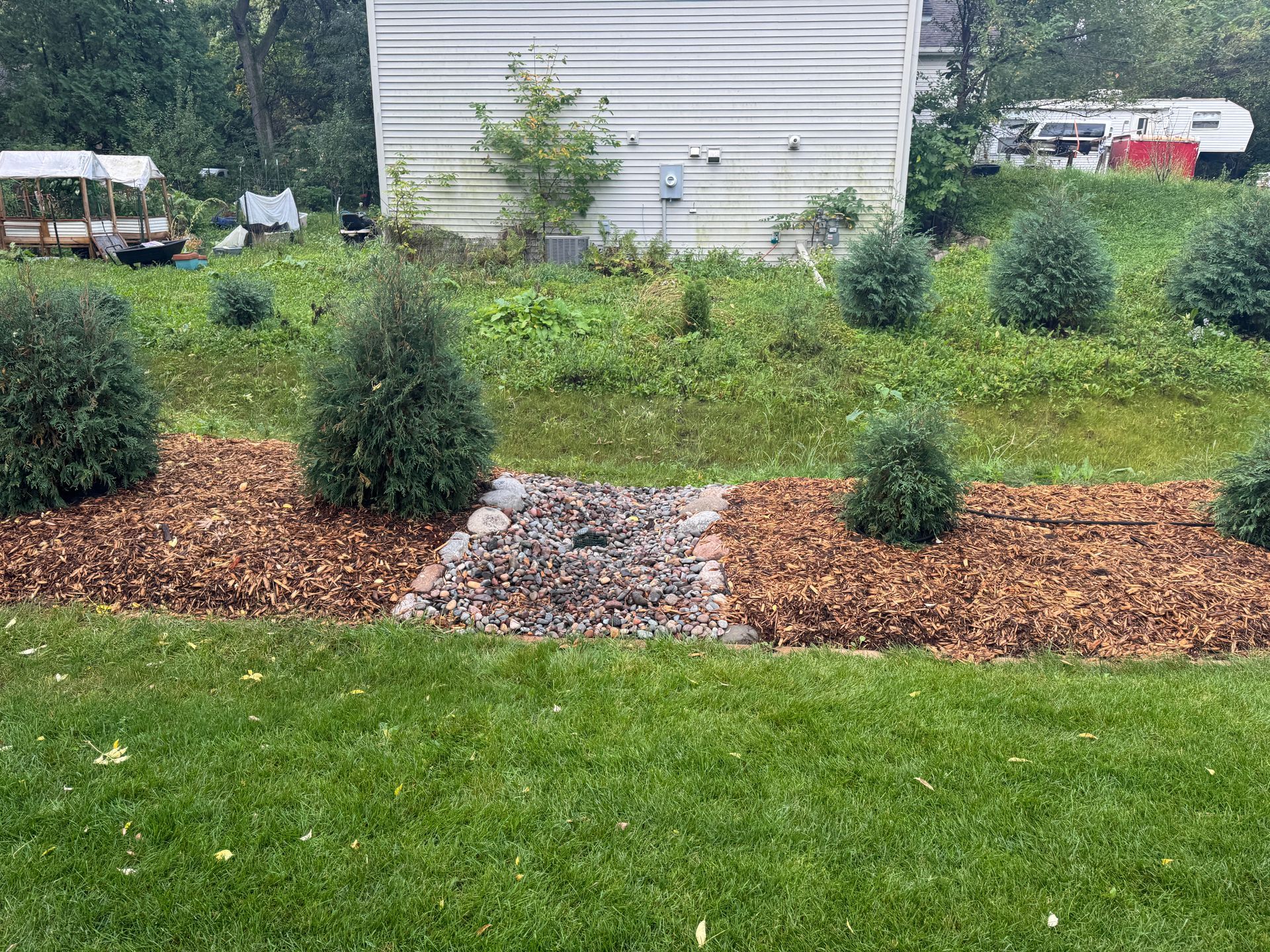
The legendary architect Louis Sullivan coined a phrase that has driven architecture and design ever since: "form follows function." While aesthetics are critical to buildings and landscapes alike, that physical beauty must always remain secondary to the fundamentals of good design. In Shoreview, Minnesota, just outside St. Paul , we encountered a landscape where, unfortunately, function followed form. Here, the realities and principles of effective drainage were downstream of their original builder's aesthetic choices. That meant water from snowmelt and rainfall was streaming into parts of the lawn where it wasn't meant to be. The standing water that had been allowed to collect in the back and side yards was putting a considerable amount of the property out of play. In order to reclaim usable space and rethink the way the land handled water, this Shoreview homeowner entrusted KG Landscape with identifying key issues, presenting potential solutions, and doing the necessary work the client decided upon to restore their lawn.
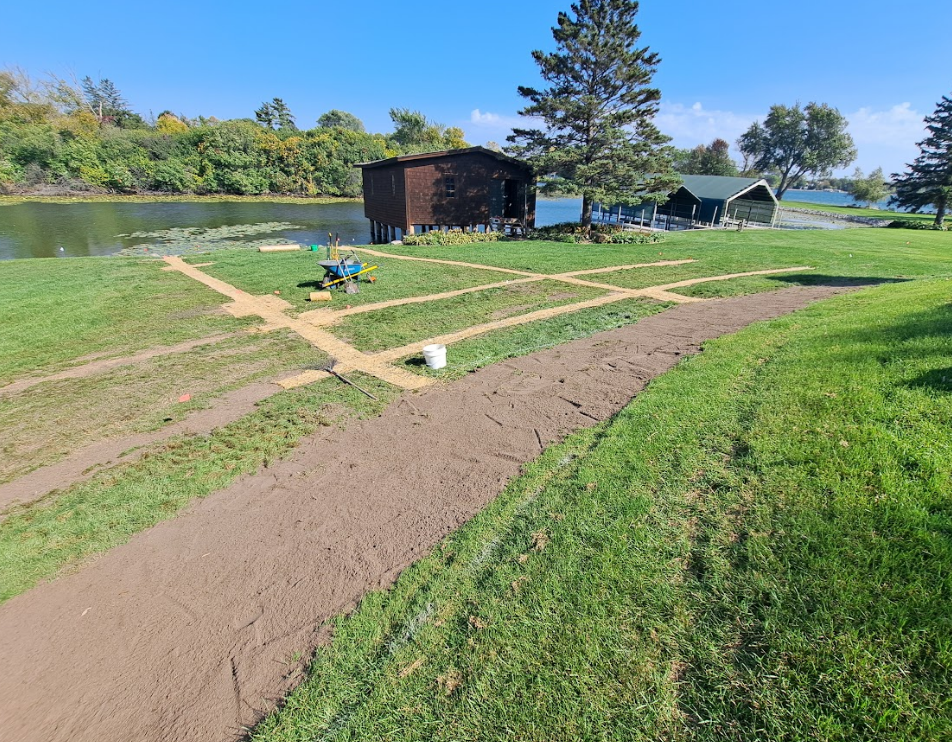
On the shores of Lake Minnetonka, perhaps the most famous of Minnesota's 10,000 lakes, an Orono, Minnesota homeowner was struggling with a back yard that was becoming more marsh than yard. The yard was a scenic one. The back porch opened up to the top of a small hill, which rolled down toward the lakefront and the boathouse. This flat space between the hill and the water would be ideal for backyard barbecues, some low-stakes games of bocce and badminton, or simply a spot to lay down a towel and get some summer reading done. Instead, this area was too waterlogged to enjoy. The runoff from the hilltop combined with unfavorable soil composition were limiting the use of the yard, closing off space while even diminishing the quality of the turf. How would this homeowner be able to reclaim this unusable land without disrupting the Lake Minnetonka shoreline that made the property so attractive? To find a solution, they turned to KG Landscape.
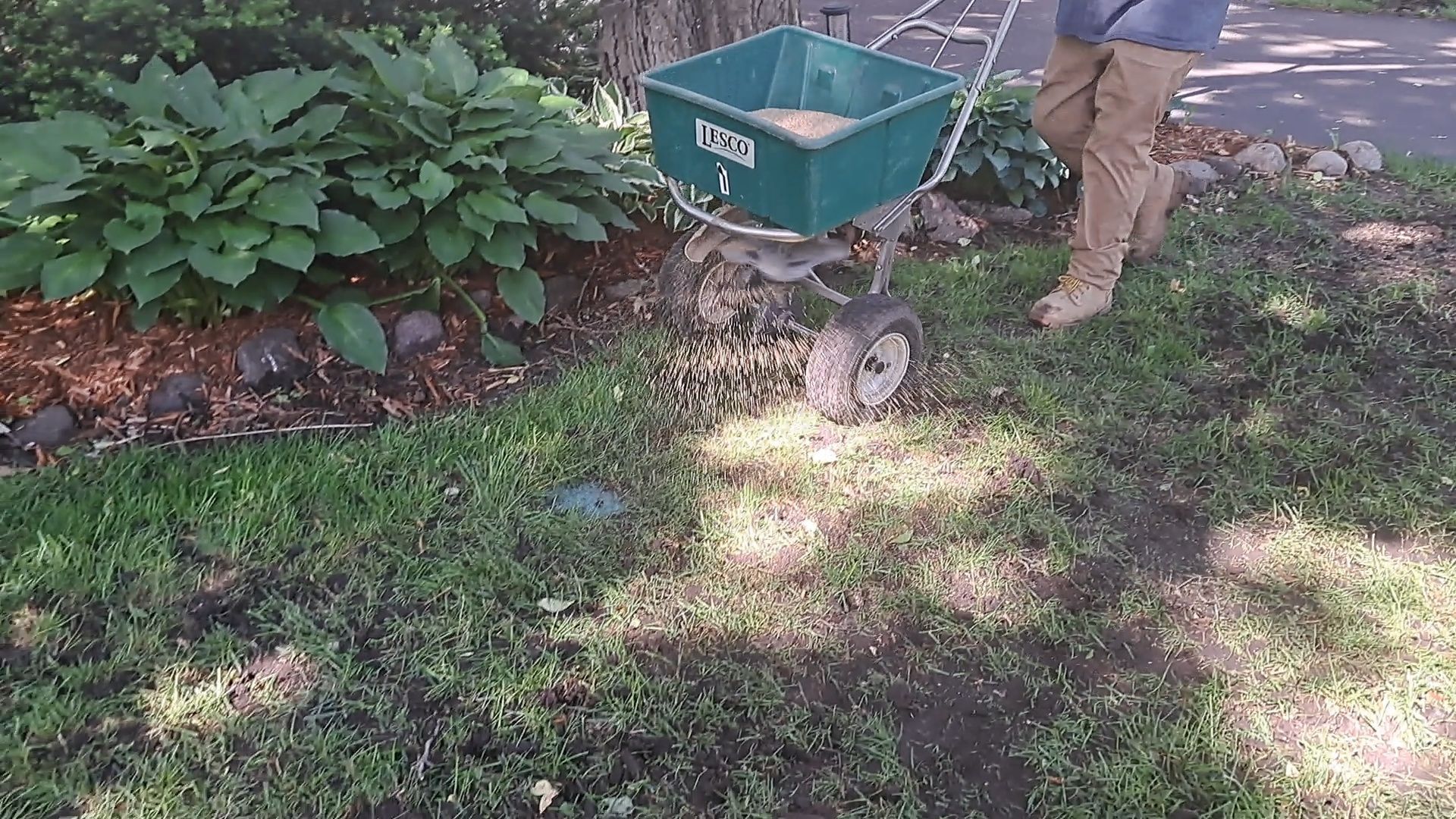
Can you use compost as lawn fertilizer in Minnesota? Learn how compost feeds turf, how to apply it, and where it fits. Get a free quote.
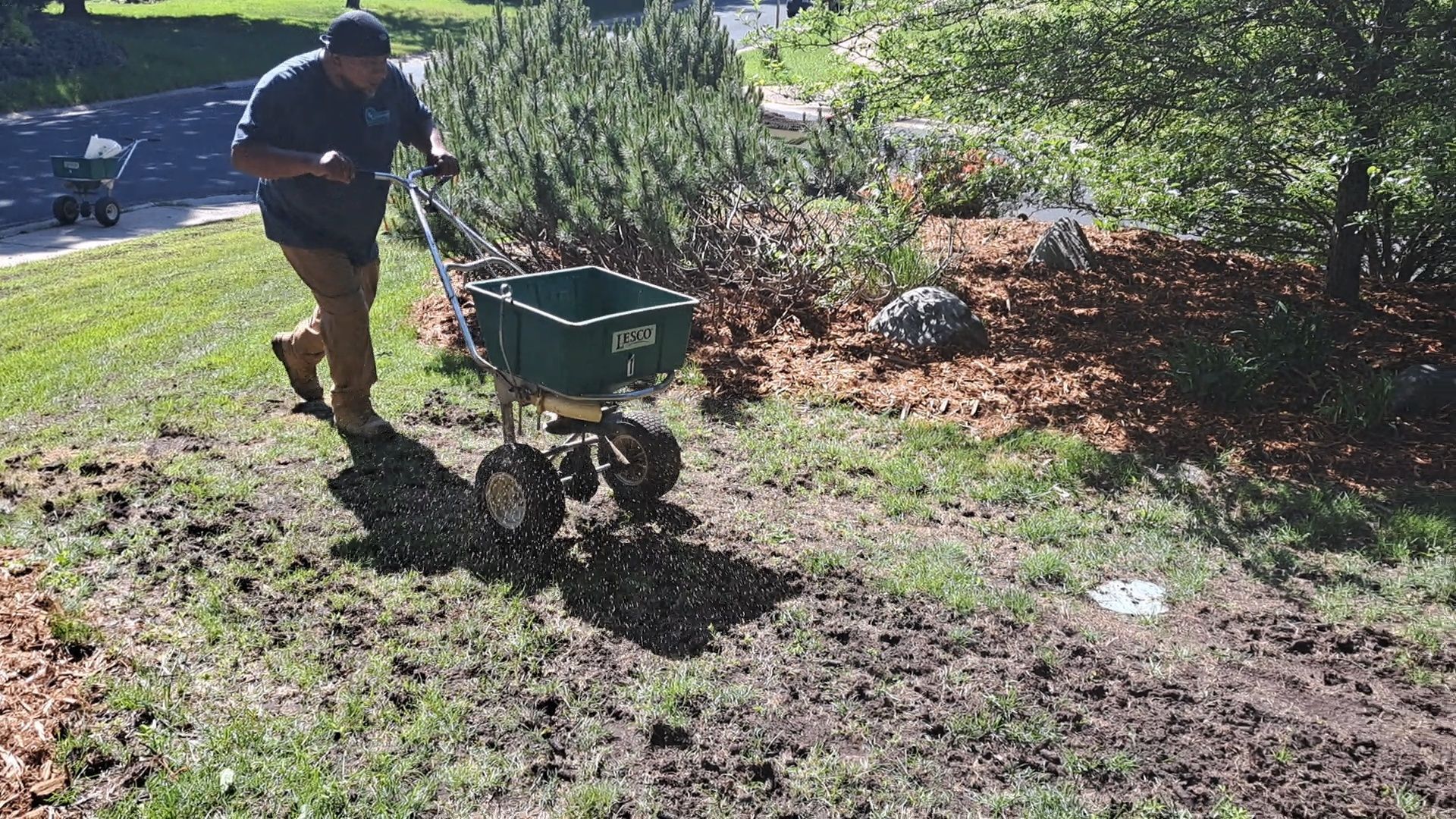
Organic weed control for Minnesota lawns: what works, what doesn't, and how to manage weeds without harsh chemicals. Get a quote.

Keep your lawn and your pets safe. Pet-safe lawn care tips for Minnesota yards, from products to timing. Get a free quote.
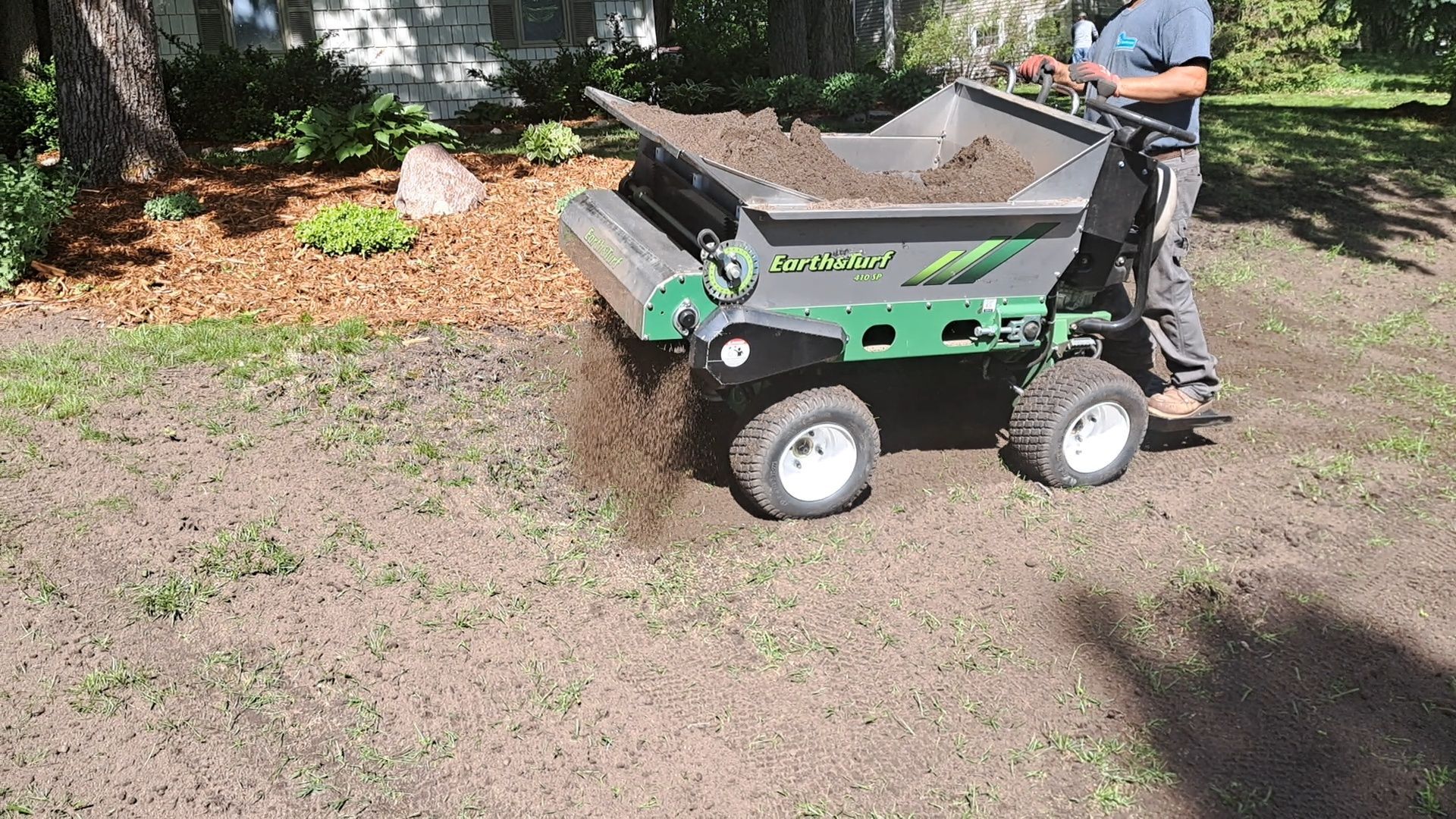
Looking for the best organic lawn fertilizer in Minnesota? See top options, how they feed your turf, and what KG uses. Get a quote.
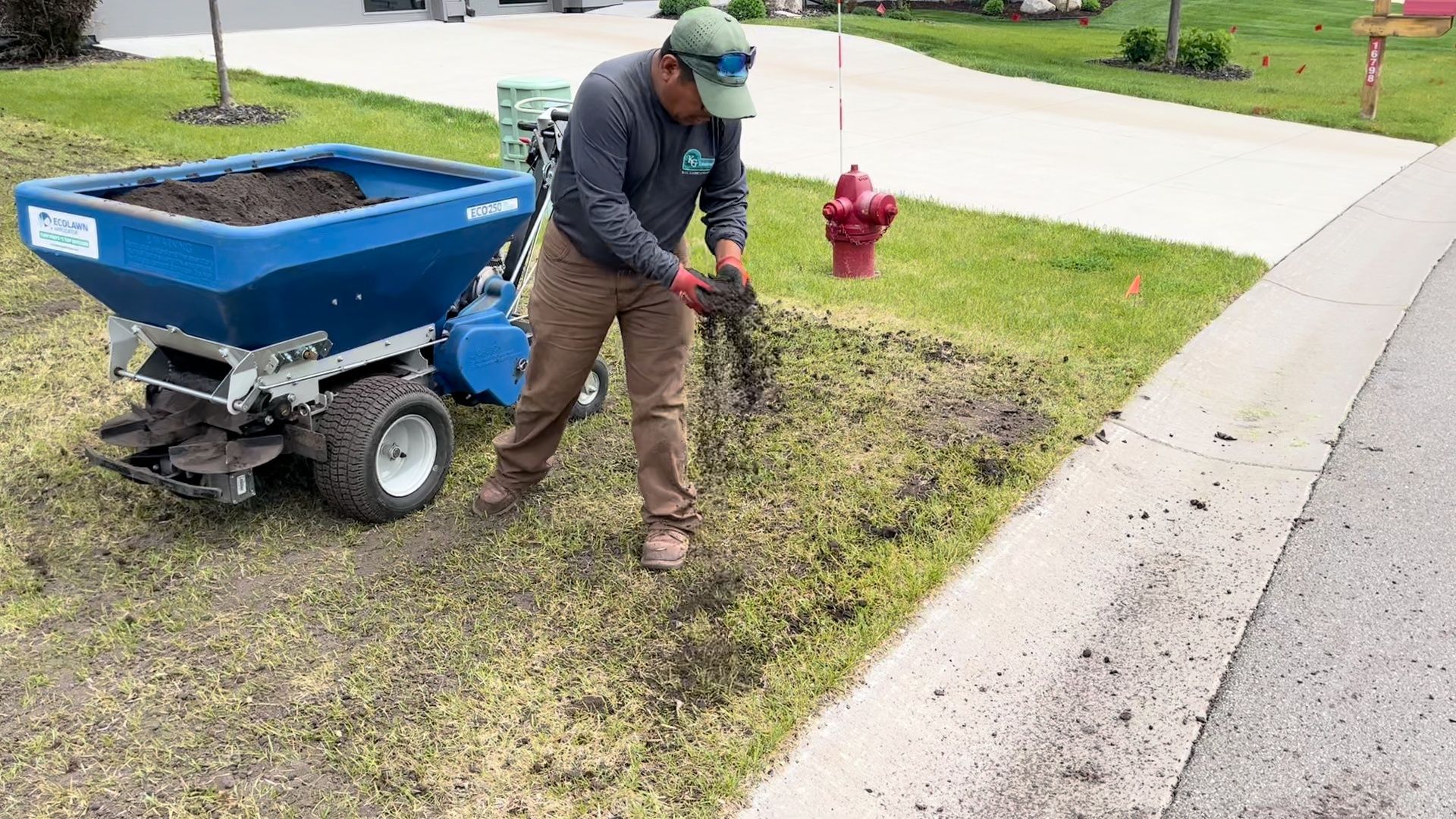
Is compost a fertilizer? Learn what compost does for your Minnesota lawn, how it differs from fertilizer, and when to use it. Get a quote.
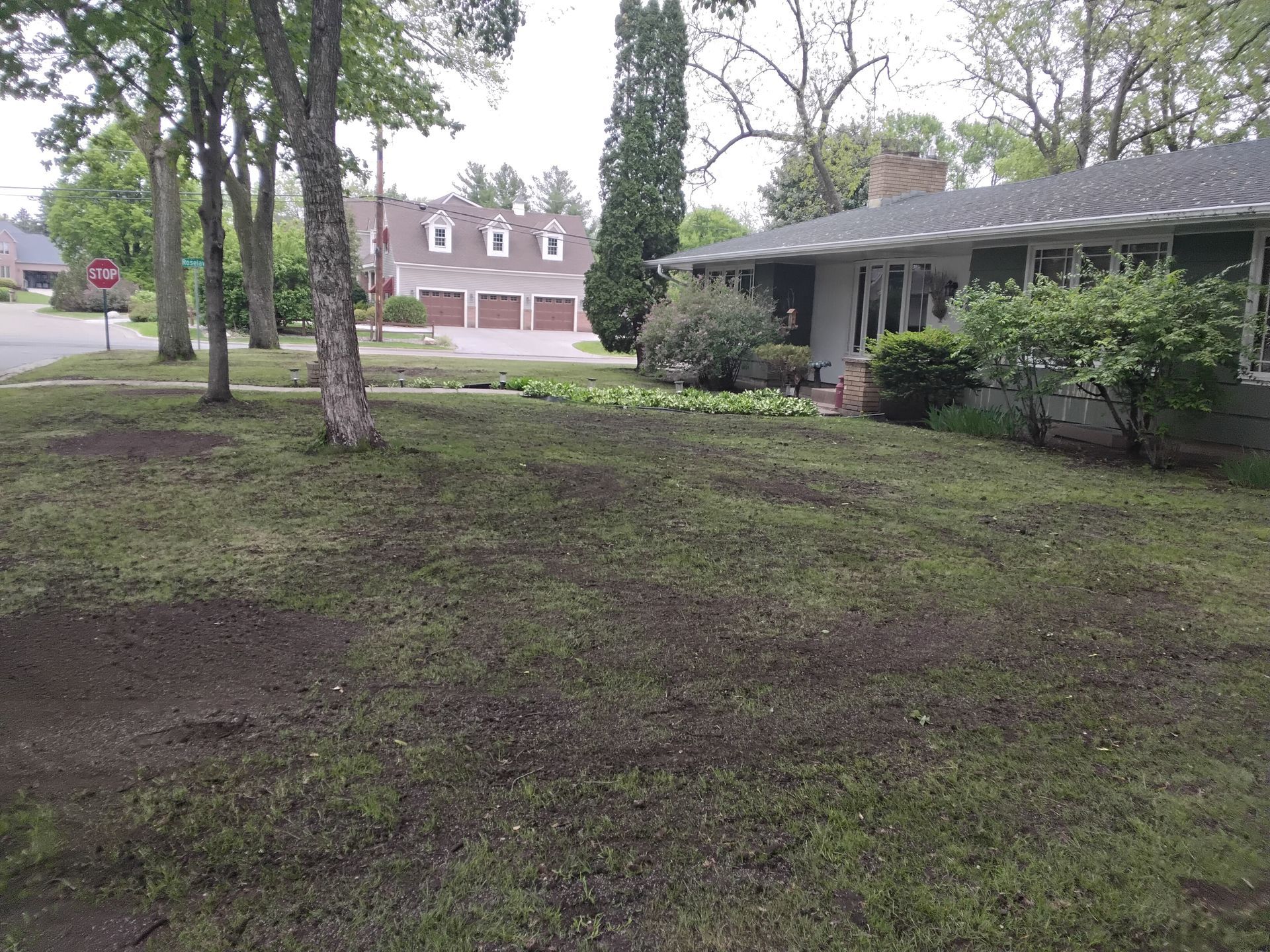
Compost feeds the soil, fertilizer feeds the grass. Learn which your Minnesota lawn needs, when to use each, and how to apply both. Get a quote.
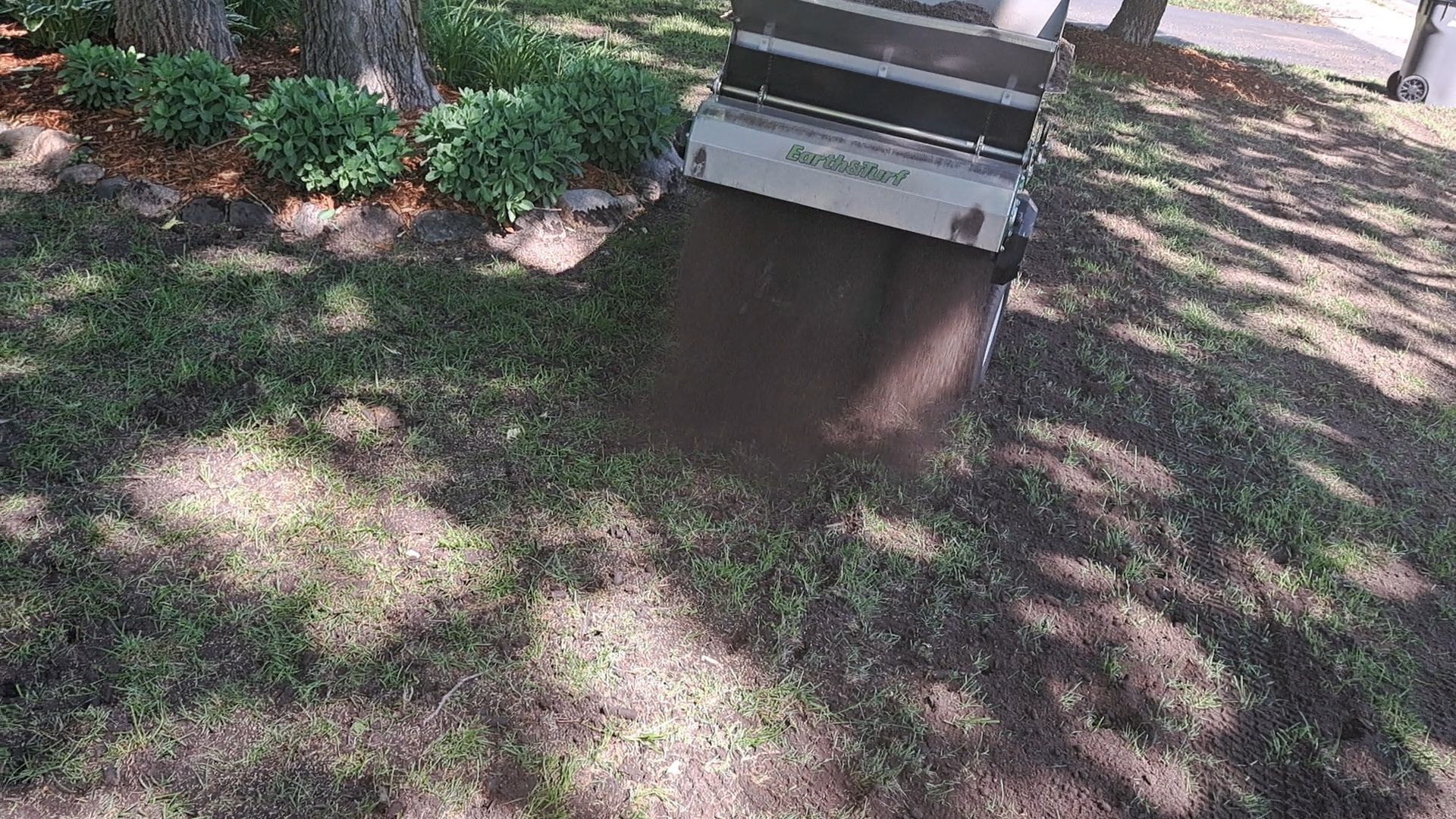
Eco-friendly lawn care tips for Twin Cities yards: cut chemicals, save water, and build healthy soil naturally. Get a free quote.
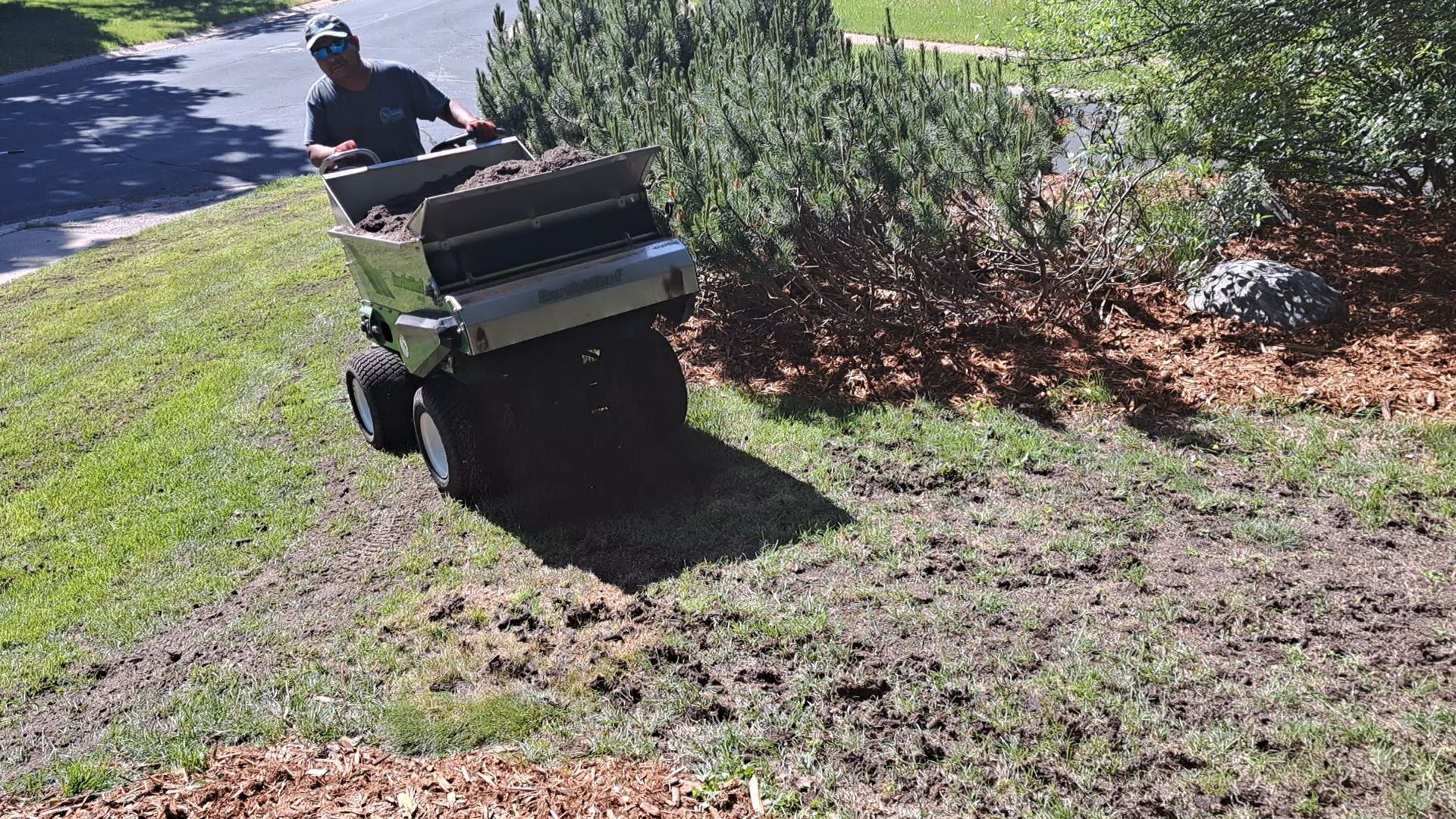
Simple, proven lawn care tips for Minnesota yards: mowing, watering, feeding, and building healthy soil that lasts. Get a free quote.