
5 Drainage Techniques for Sloped Landscaping
Sloped landscapes have natural advantages for landscape drainage, but they aren’t perfect just by existing. Sometimes, sloping areas are prone to lingering water and other issues. Here are five of the best drainage techniques for sloped areas:
#1: Channel Drains
Channel drains, also known as a trench drain system, are an excellent choice for sloped landscaping if you put them at the bottom of hills, where most rainwater collects. They’re also narrow and easy to disguise with plants or similar groundcovers, so you don’t need to worry about the drain covers ruining the aesthetics of your yard.
These drains are useful because, without them, water may pool at the bottom of sloped areas. Pooling water is a massive problem if you have grass, flowers, or walkways at the slope’s bottom. Channel drains are relatively easy to install and can reroute water to a proper draining area.
Heavily-sloped channel drains aren’t as common, but they may work in some environments if you need to reroute water that comes in from somewhere else on your property. Don’t forget to make the drains big enough to handle significant amounts of overflow.
#2: French Drains
The classic French drain is a great alternative to channel drains when you want to have a layer of grass or moss on top of your yard drainage systems. French drains have a drainage pipe set in a gravel box, covered in unique fabric to prevent dirt and silt from washing into the drain.
As the water level rises when it rains, the water flows into the pipe and towards the exit. While French drain mistakes can stop these from working correctly, most French drains are hard to get wrong in sloped environments as long as you put them in the right spot.
Like channel drains, French drains work best when you place them in areas where water is most likely to collect. This includes the bottom of the sloped regions, but it can also include the tops or, rarely, side areas as long as you have a proper drainage setup.
Mixing French drains with vertical drains when you have several levels to the slope can be beneficial. This setup makes it much easier to keep the entire slope dry instead of letting water pile up and pressure specific areas.
For more on this subject, see our guide to building French drains correctly.
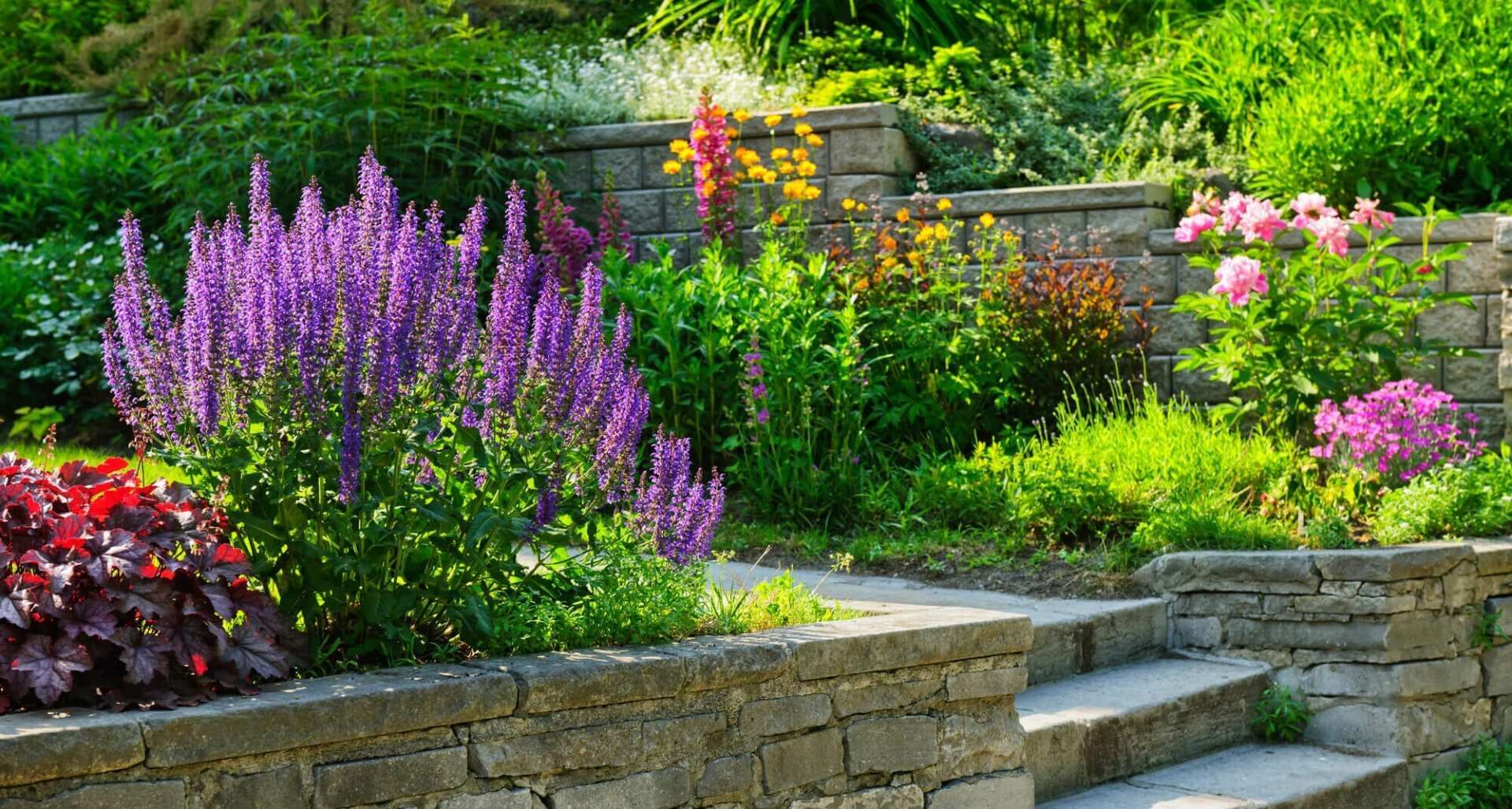
#3: Retaining Walls
Retaining walls are among the most effective types of drainage when you’re making slopes. Rather than holding water back, retaining walls encourage drainage by creating large gaps that water can flow straight through to continue down through your landscaping.
Retaining walls also serve as natural vertical drains. They only need a few inches of gravel or similar material to let water drop straight down into a pipe or another outlet. Many people use retaining walls in conjunction with channel or French drains to keep water moving towards its final outlet.
Here are some other things to consider if you’re thinking about building a retaining wall.
For more on how retaining walls work with sloped landscaping, see this guide.
#4: Dry Wells
Dry wells aren’t necessary for most sloped areas because you’re already rerouting water. Still, they are useful if you expect to see vast amounts of water or if you want to manage your water more effectively.
Dry wells are large storage tanks, often holding around 50 gallons that you can place anywhere in your landscaped area that water tends to collect. Dry well placement isn’t limited to the sides or bottom of the slopes, either. Depending on your terrain, dry wells may be useful even at the top of the slope.
The real trick with dry wells is deciding how you want to drain the wells. There are two practical techniques for this:
If you really want to get creative, you can use dry wells and pop-up emitters to create water fixtures that only exist when it’s raining and water is coming out. That’s more complicated than most people want, but it just goes to show how much you can do if you get a little clever with your drainage techniques.
Remember: Every yard is different, and factors like the kind of soil you have, your budget, and what you envision for the final result all affect which types of drainage make sense for your area.
We strongly recommend hiring professionals
for installing retaining walls or dry wells.
#5: Sump Pumps
Like dry wells, sump pumps aren’t our top choice among drainage techniques for most sloped landscaping. The keyword here is “most.” Retaining walls and the occasional channel or French drain suffice for most areas, but if you need to move a lot of water in a hurry, sump pumps are the top choice. Here’s how they work.
These pumps go in the lowest area of your landscaping, usually below all slopes or at the bottom of a hill. The larger your slopes, the more water you’ll collect at the bottom, and the harder it will be for regular channels to take care of things. That’s where sump pumps come in.
Rather than spreading water out, sump pumps work best when you concentrate all the water in your landscaped area and push it all towards the pump. Once the water reaches the pump, it gets pushed out and towards a proper drainage pipe or some other water disposal system.
Alternatively, sump pumps may be a good choice if your building is above your landscaped area. This layout lets the pumps move water away from the structure’s foundation as quickly as possible and pushing it towards your other drains.
Don’t forget to check your sump pump
at least once a year. Sump pumps do fail over time, so make sure you install them in an accessible area.
Why Does This Matter So Much?
Landscapes do not exist in a vacuum. Getting rid of excess water is essential for maintaining your landscaping. You can’t do that effectively without considering where all that water is coming from. Water can come from heavy rainfall, areas higher on a slope than you, or even from pumps and pipes on other properties.
Like we said above, every landscape is different. That’s why many people use several different types of drainage techniques for sloped landscaping, rather than just putting in small drains or channels where water seems to pool the most.
The fundamental principle to keep in mind is that the more water reaches an area, the more drainage you need. That could mean bigger pipes, more channels, extra pumps, or some combination of other steps.
If you’re still uncertain about how to drain your sloped landscaping adequately, don’t hesitate to contact an experienced landscaping company
like KG Landscape to assess your property and make a plan based on your needs.
The post 5 Drainage Techniques for Sloped Landscaping
appeared first on KG Landscape Management.
Ready to Start on Your Next Project?
Call us at (763) 568-7251 or visit our quote page.
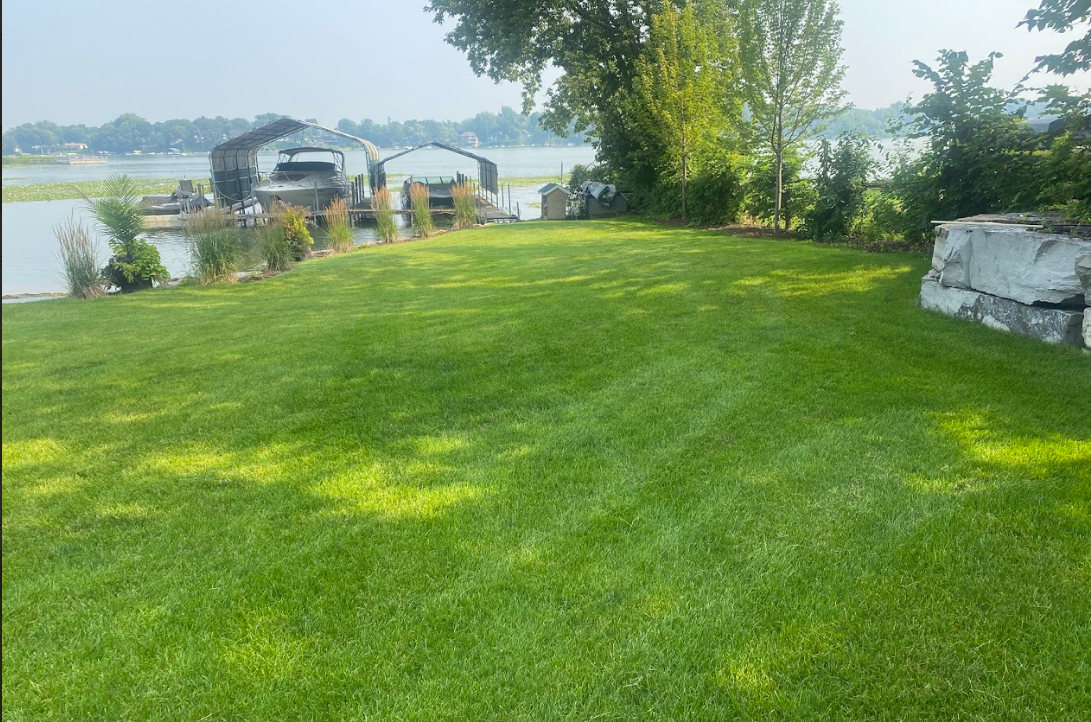
See how KG Landscape used topdressing to restore a thinning, uneven lawn on a lakefront property in Minnetonka, MN. Expert lawn renovation for lasting results.
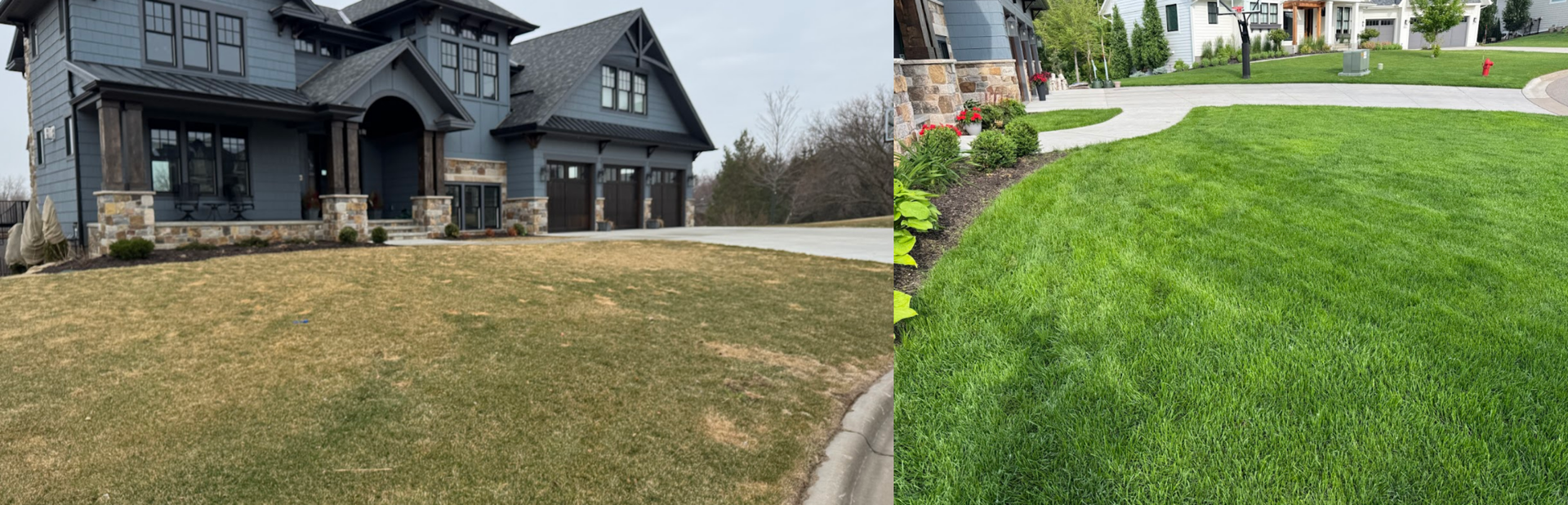
Learn how topdressing and overseeding transformed a struggling new construction lawn in Mendota Heights, MN. KG Landscape shares the process and results.
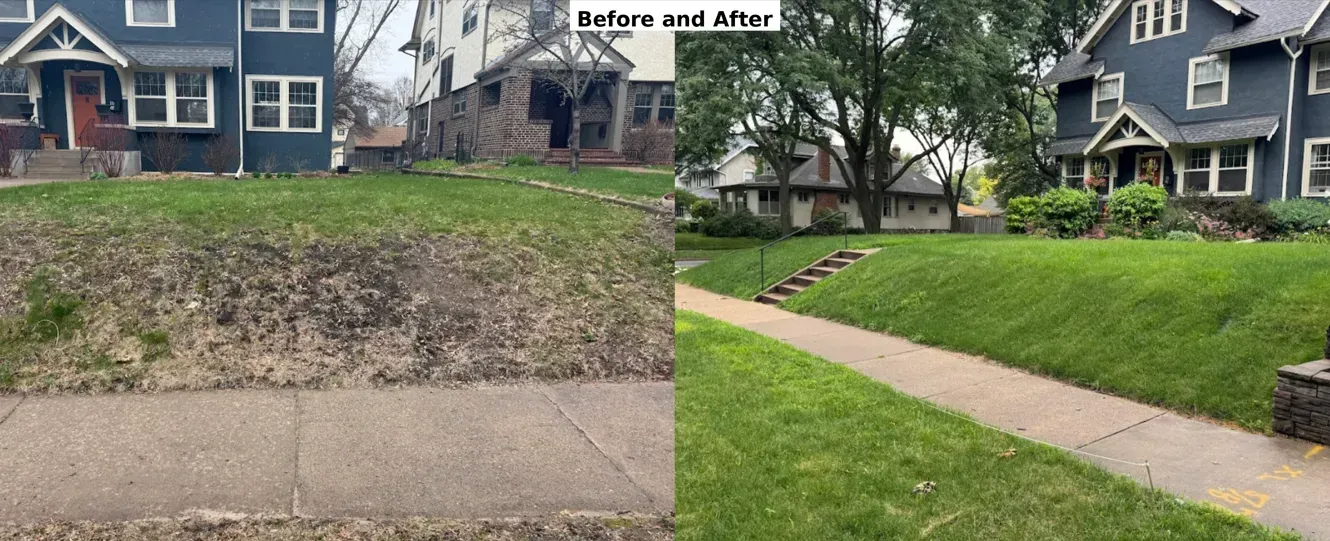
Spot drainage problems early in Bloomington, MN. Learn the warning signs of yard water issues and when to call a pro. Get a free evaluation.

New lawn dying after move-in? Learn why builder landscaping fails in Bloomington and how to fix the soil problems underneath. Free evaluation.
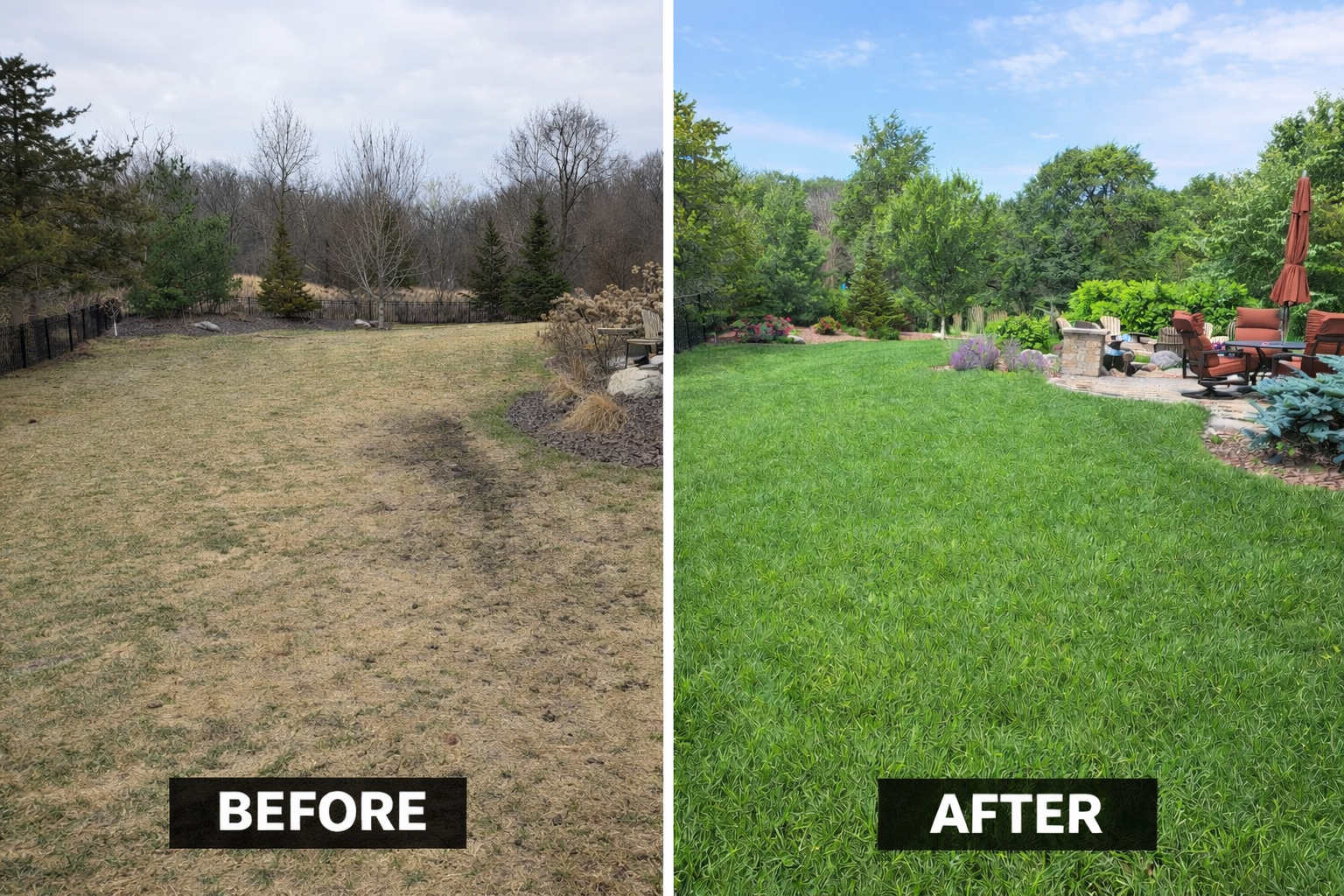
Learn how compost-based topdressing restores thin, patchy lawns in Minneapolis. Discover the process, benefits, and best timing for this natural lawn care solution.
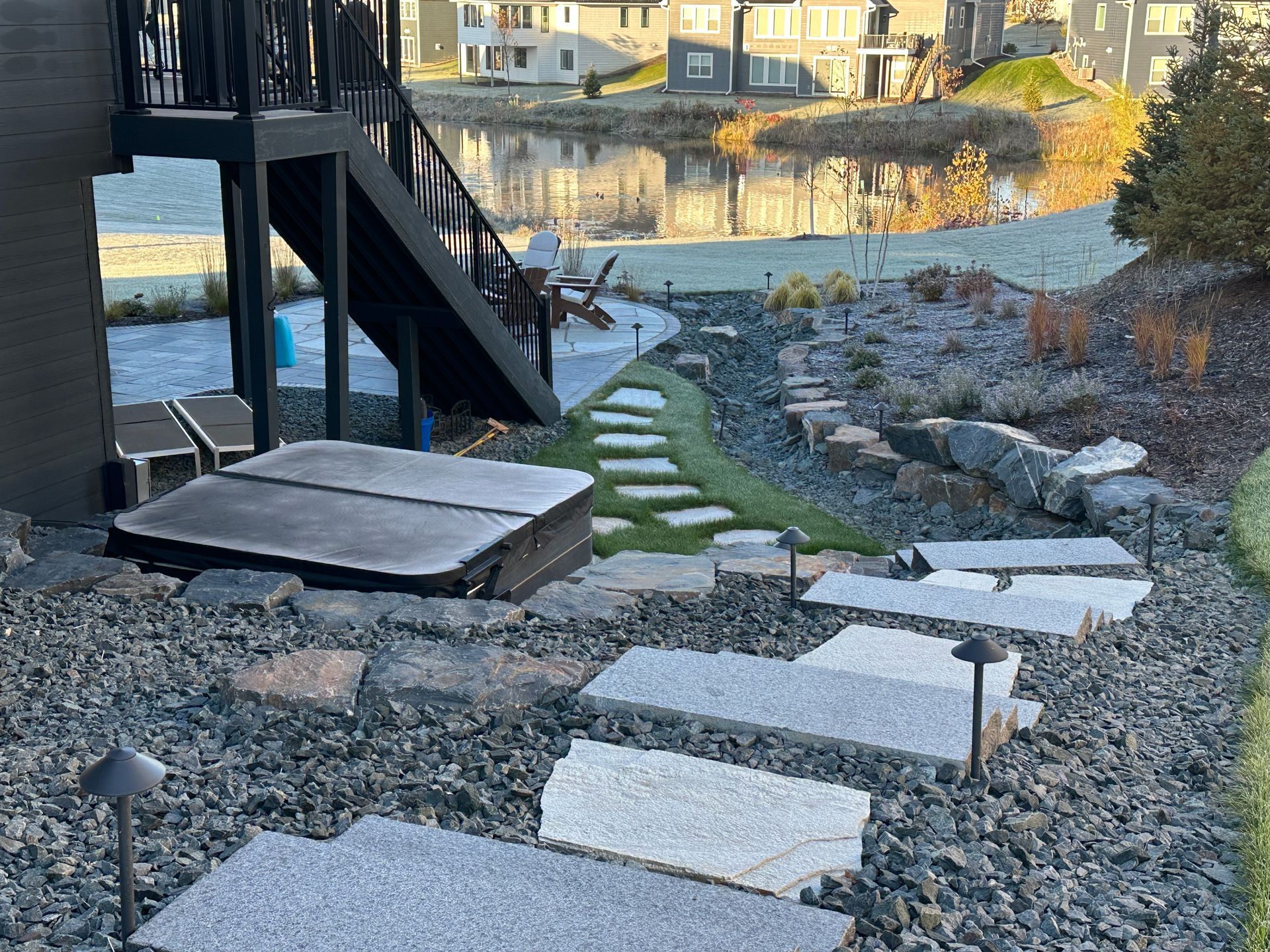
Avoid the terracing mistakes that cause wall failures on Eden Prairie slopes. Learn what goes wrong and how to build it right the first time.
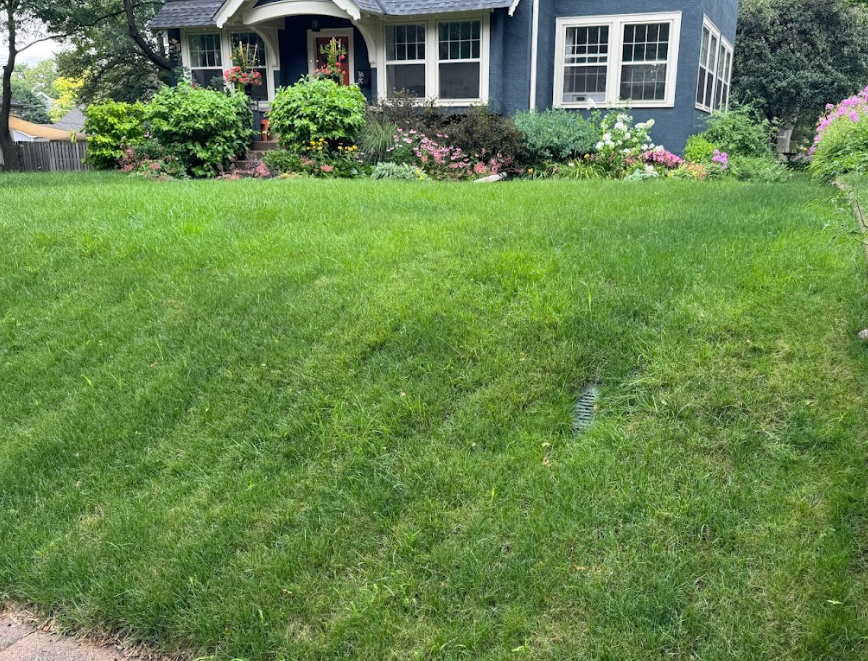
Discover how underground piping systems and topdressing improve drainage and turf quality in St. Paul yards. KG Landscape explains the process and long-term benefits.
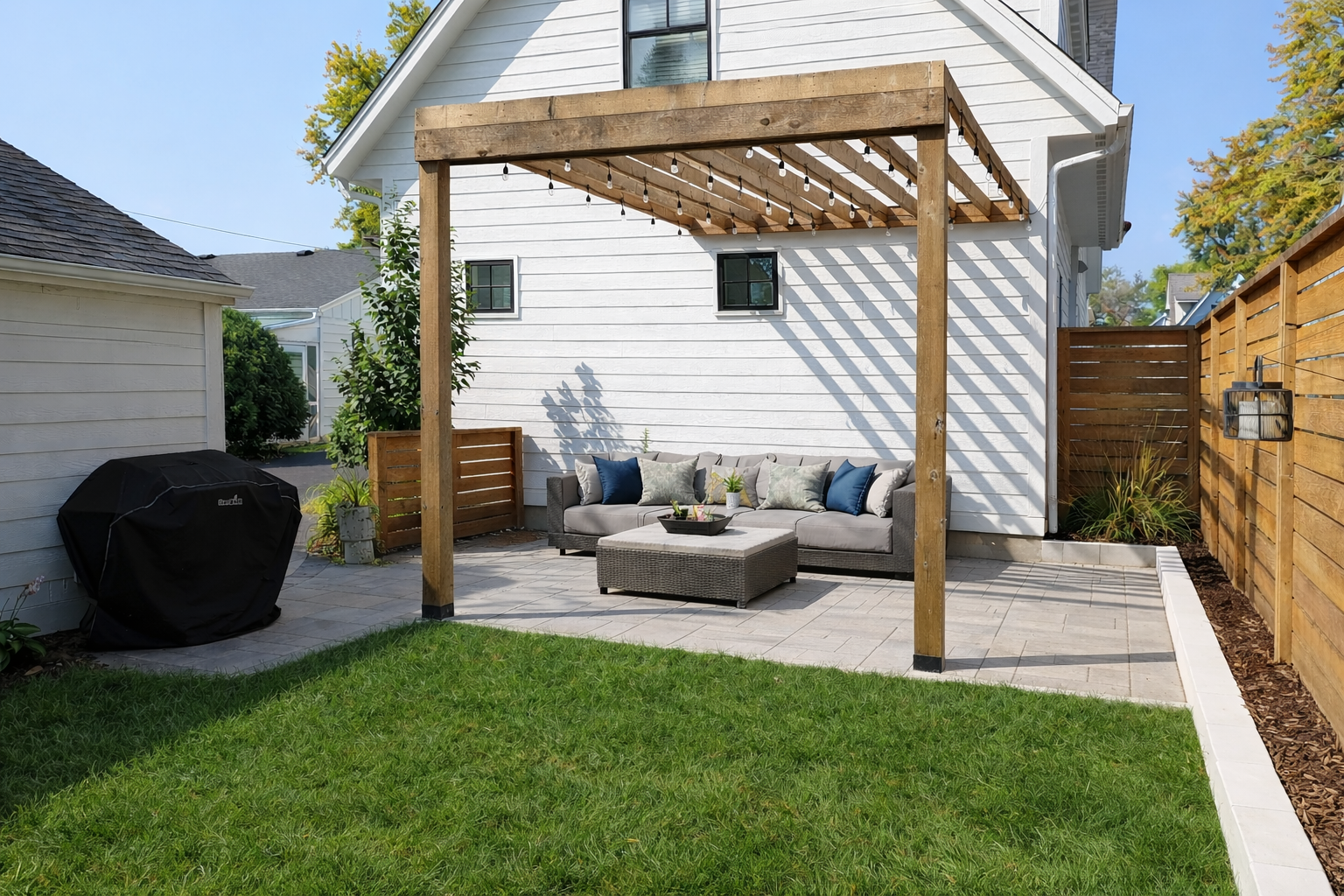
Faced with tight constraints in a small Edina backyard, our team devised a solution that created a comfortable patio along with increased privacy for our client.
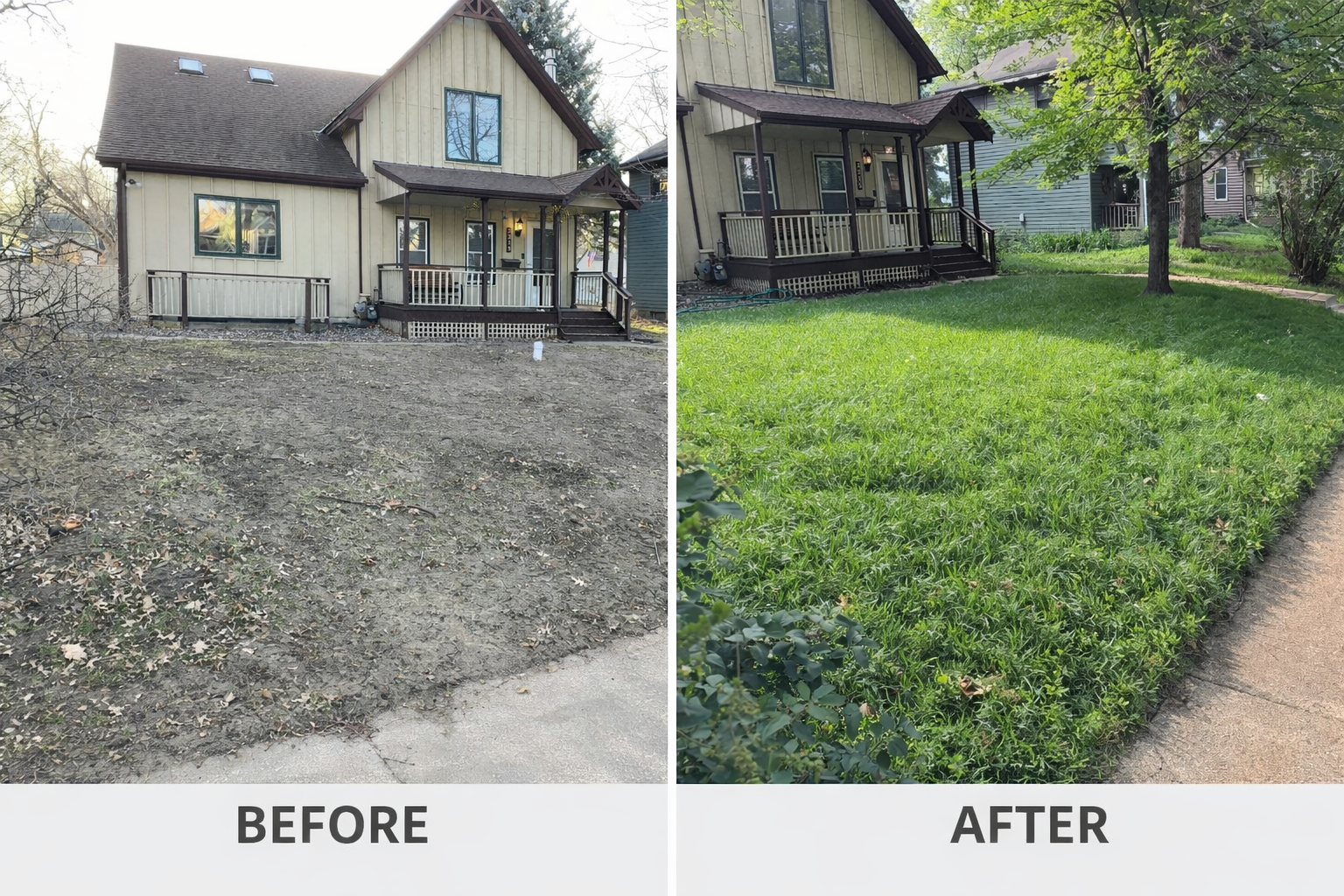
By employing double-pass aeration and overseeding, we were able to replenish a South Minneapolis lawn that had suffered years of neglect and was failing to thrive.
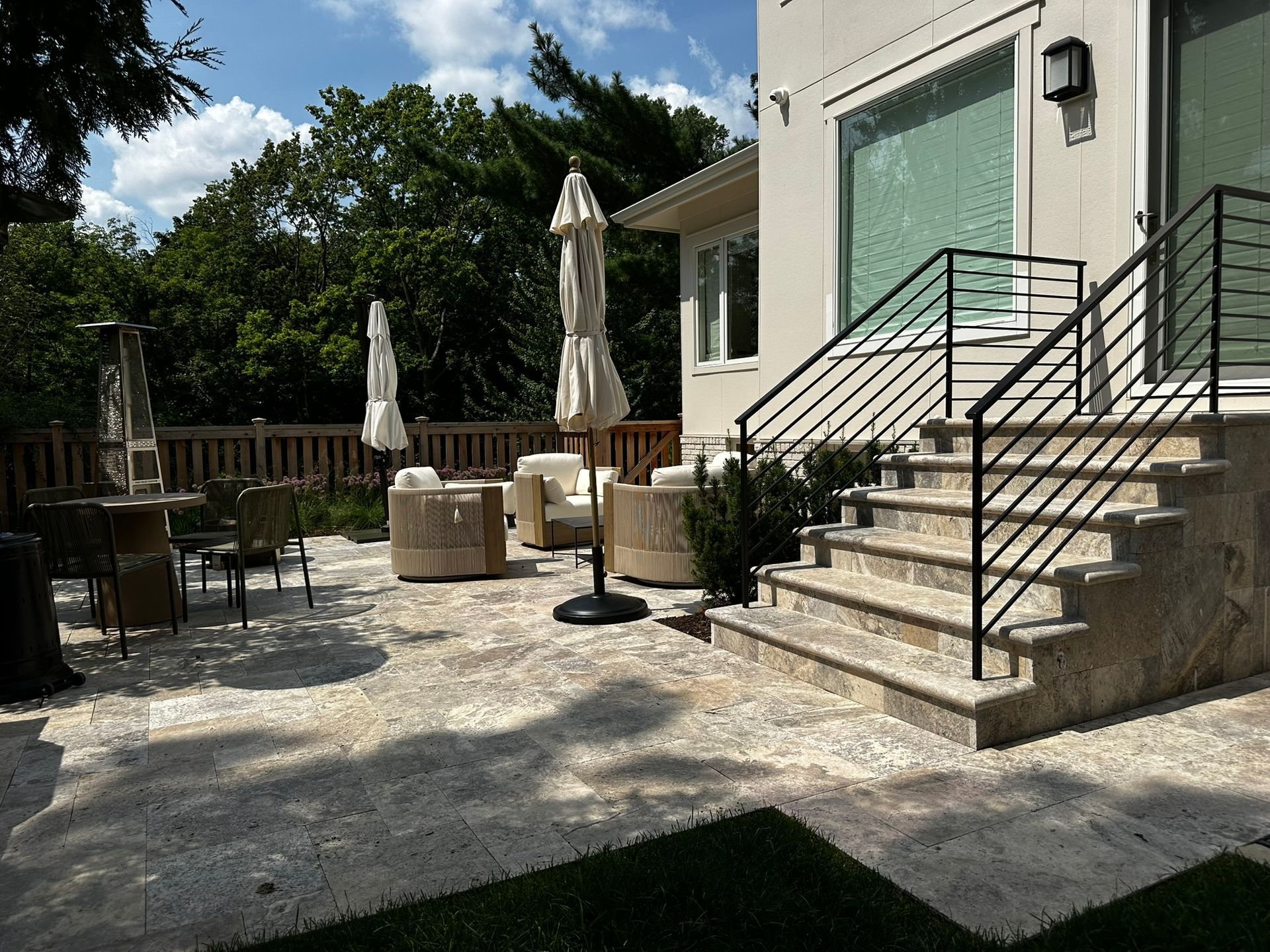
Cracking front steps in Eden Prairie? Learn why concrete steps fail in Minnesota winters and when replacement with proper footings is the real fix.