
Choose the Right Trees for Your Soil
Choosing the right trees for your landscape can be difficult process. There’s a lot that goes into it: what grows well in the Midwest
, if they should be tall or short
, how they’ll balance out your yard, and how much shade you’d like. But another factor should be taken into account, too: the soil type in your yard.
Minneapolis and St. Paul are at the confluence of three ecological regions: big woods, the Anoka sand plain, and the Twin Cities highlands. This means that depending on where you live in the metro area, your soil may be drastically different than that of the soil in the next town over. It also means that the Twin Cities has just about every soil type: clayey, sandy, and loamy, as well as wet and dry and everything in between.
Continue reading for a look at some of the best trees for your soil and drainage conditions. Remember to always do your own research to be sure you’re choosing trees that will last, but this will help you get started.
Clay Soil
Clay soil is made up of very fine particles, without a lot of organic matter in it. It doesn’t drain well, and so is not great for most gardens. However, plenty of trees and shrubs thrive in clay soil.
Wet clay:
arborvitae, cottonwood, crabapple, northern catalpa, willow
Moist clay:
arborvitae, crabapple, green ash, northern catalpa, paper birch, ponderosa pine, red oak, silver maple, white spruce
Moderately dry clay:
cottonwood, crabapple, green ash, northern catalpa, silver maple
Dry clay:
Eastern red cedar, green ash
Green ash trees are fairly versatile, surviving in moist, moderately dry, and dry clay, as well as moderately dry and dry loam.
Loamy Soil
Loamy soil is made up mostly of sand and silt, with a little bit of clay. This is considered the best for gardens as it retains water but also drains easily.
Wet loam:
arborvitae, balsam fir, black ash, cottonwood, crabapple, northern catalpa, white cedar, willow
Moist loam:
arborvitae, balsam fir, black walnut, crabapple, northern catalpa, paper birch, red oak, serviceberry, silver maple, white cedar, white oak, white spruce, yellow birch
Moderately dry loam:
crabapple, green ash, northern catalpa, red oak, serviceberry, white spruce
Dry loam:
Eastern red cedar, green ash
Cottonwoods prefer wet soil of all types.
Sandy Soil
Sandy soil contains the largest particles of the three soil types, making it quite grainy. Some vegetables grow very well in sandy soil, as it drains very well.
Wet sandy:
arborvitae, cottonwood, crabapple, northern catalpa, tamarack, willow
Moist sandy:
arborvitae, black spruce, crabapple, northern catalpa, Norway (red) pine, paper birch, ponderosa pine, red oak, white pine, white spruce, yellow birch
Moderately dry sandy:
bur oak, crabapple, jack pine, northern catalpa, Norway (red) pine, red oak, yellow birch
Dry sandy:
bur oak, jack pine, juniper
Jack pines do well in sandy, moderately dry or dry soil.
For more information on the best trees for different soil types, check out the University of Minnesota’s Extension Service
and the Minnesota Department of Natural Resources
. Not sure what type of soil you have? There are a few tests
you can do at home. Finally, for more information on particular types of trees, visit the Minnesota DNR
or the Arbor Day Foundation
.
When it’s time to revamp your landscaping (and add trees!), give us a call at 763-568-7251 or visit our Contact Us page to get in touch.
Ready to Start on Your Next Project?
Call us at (763) 568-7251 or visit our quote page.
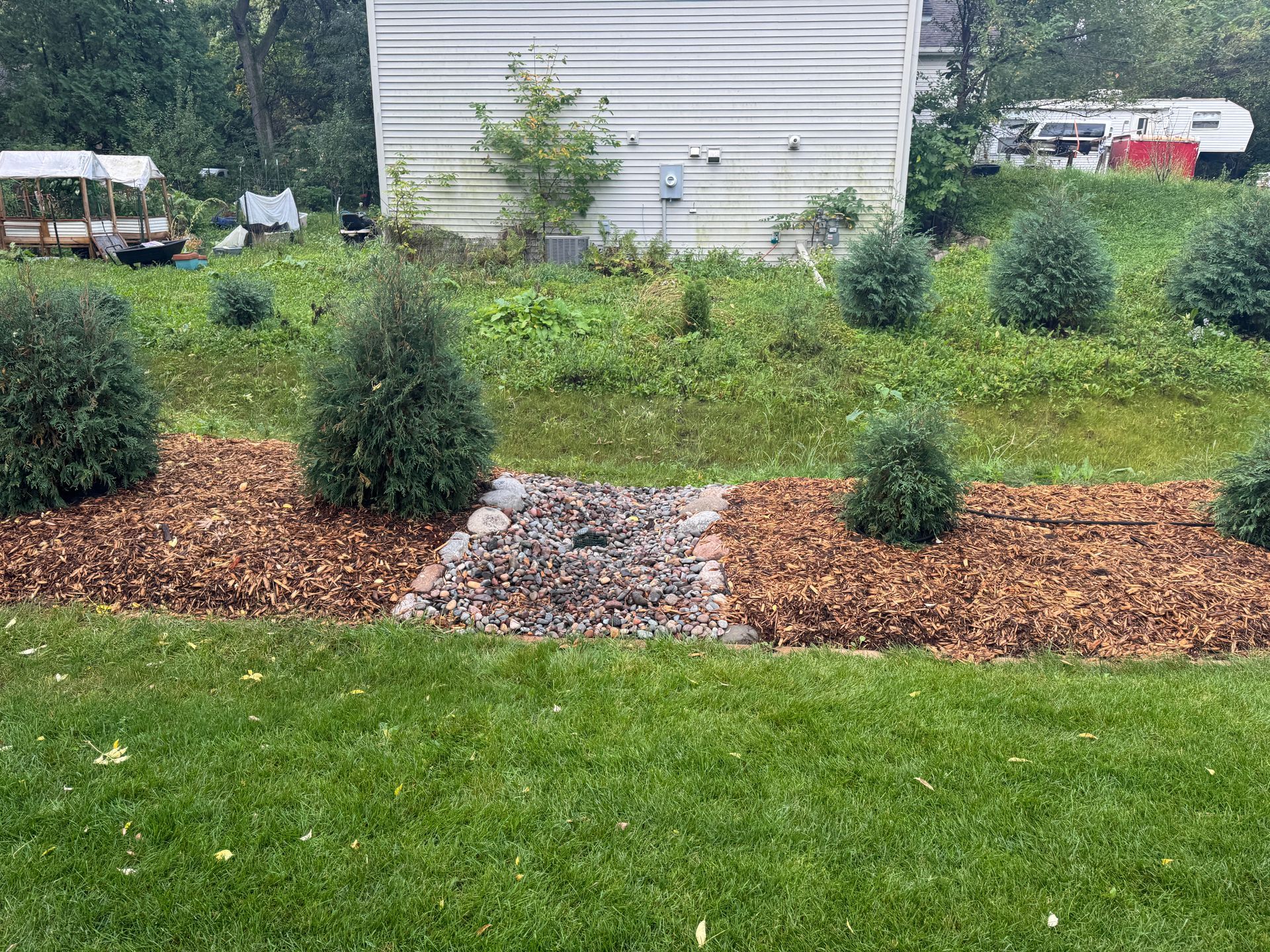
Learn how KG Landscape restored a backyard swale in Shoreview, MN, fixing drainage issues. Contact us for expert landscaping solutions!
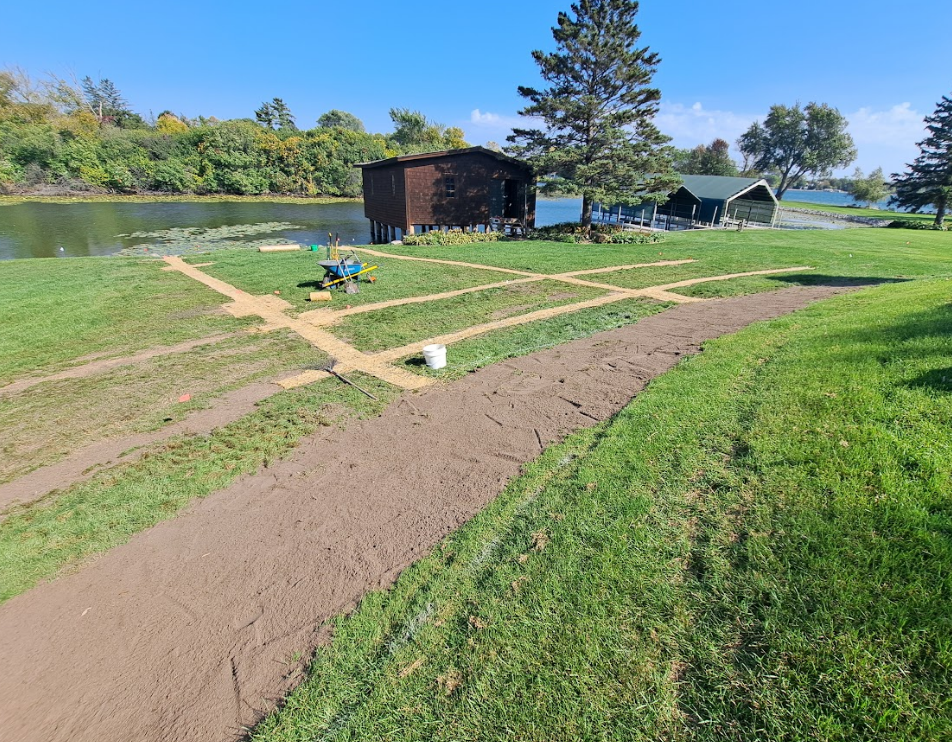
Learn how KG Landscape solved a waterlogged yard issue in Orono, MN. Contact us for eco-friendly drainage solutions today!
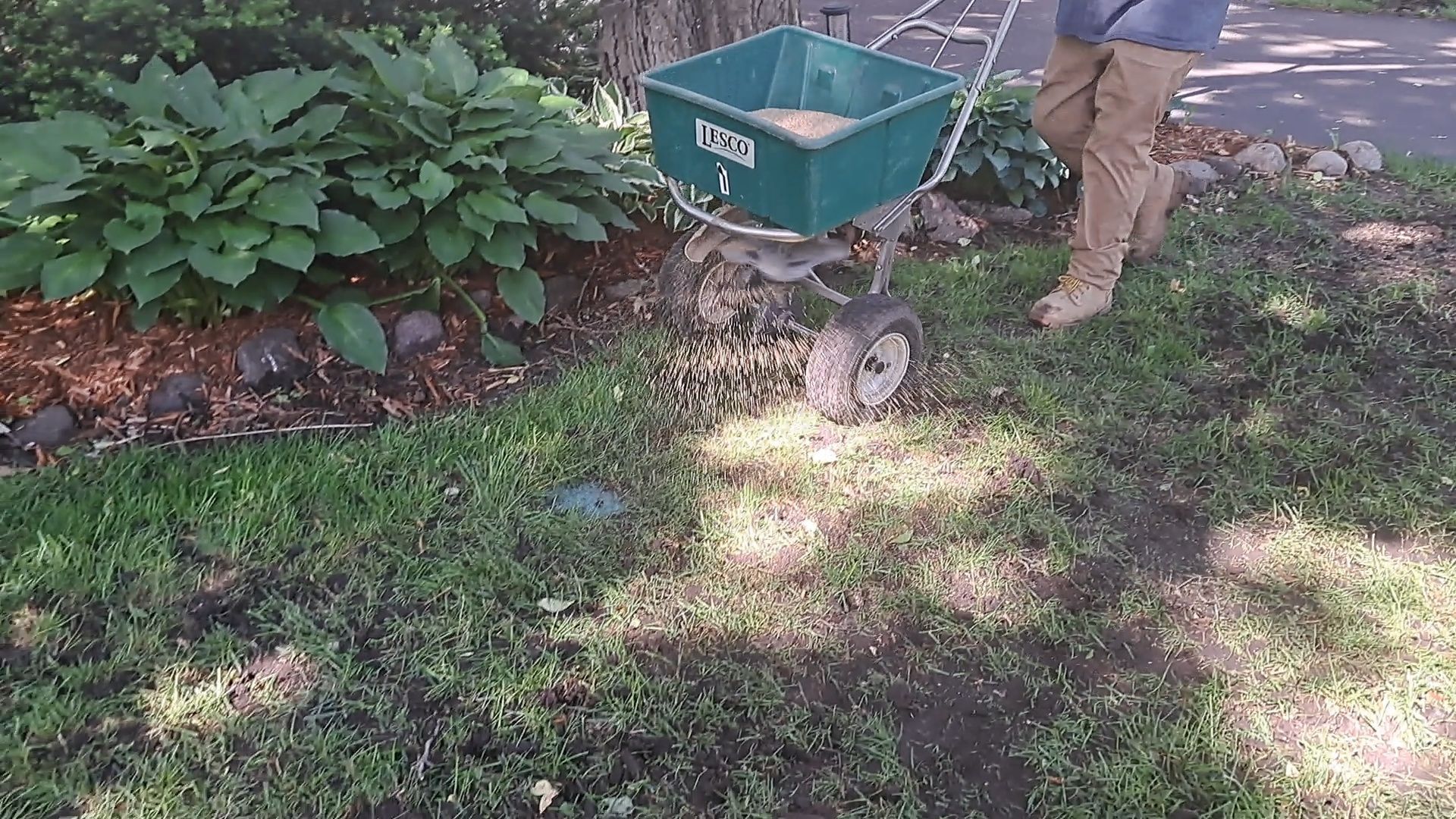
Can you use compost as lawn fertilizer in Minnesota? Learn how compost feeds turf, how to apply it, and where it fits. Get a free quote.
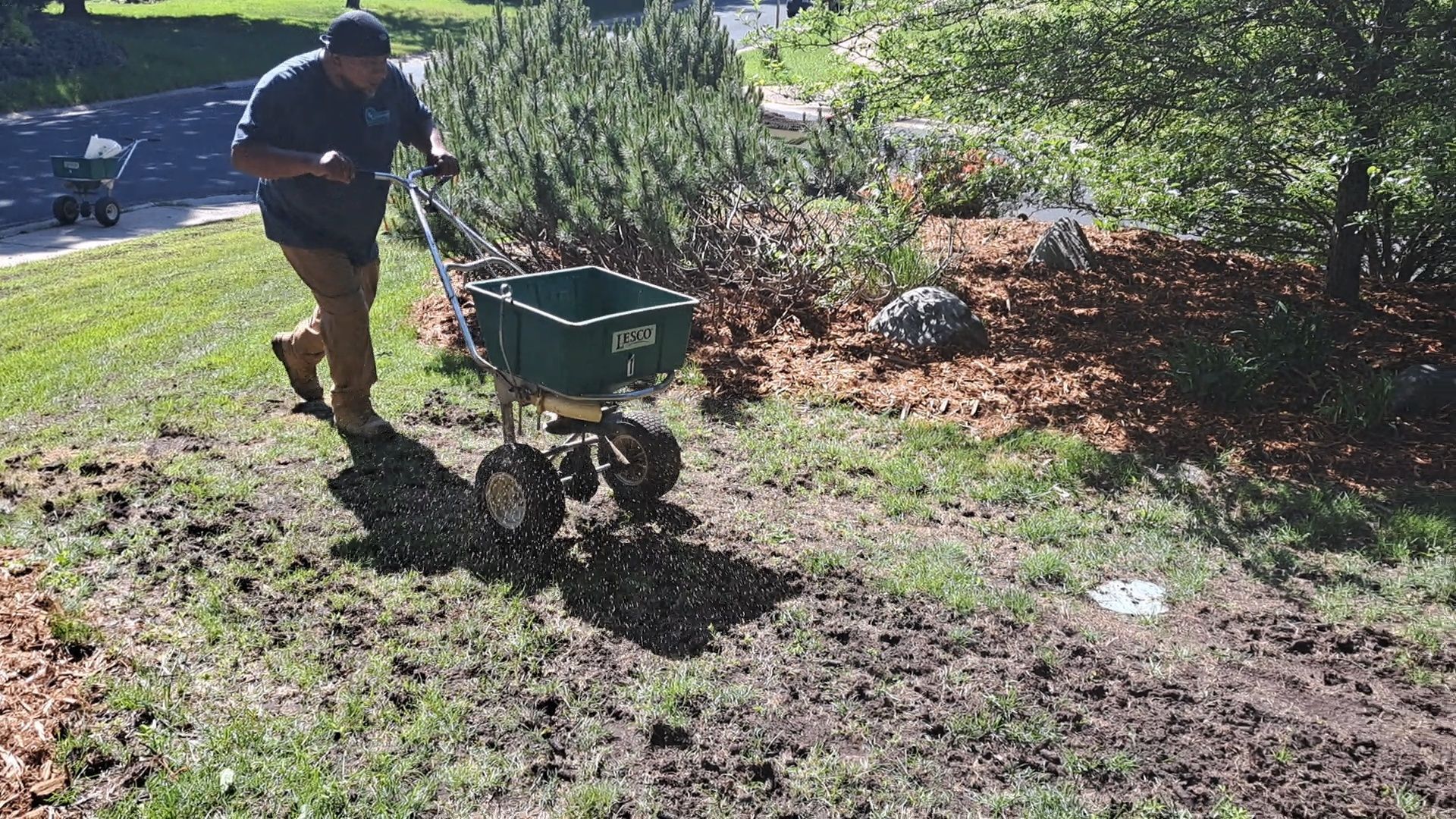
Organic weed control for Minnesota lawns: what works, what doesn't, and how to manage weeds without harsh chemicals. Get a quote.

Keep your lawn and your pets safe. Pet-safe lawn care tips for Minnesota yards, from products to timing. Get a free quote.
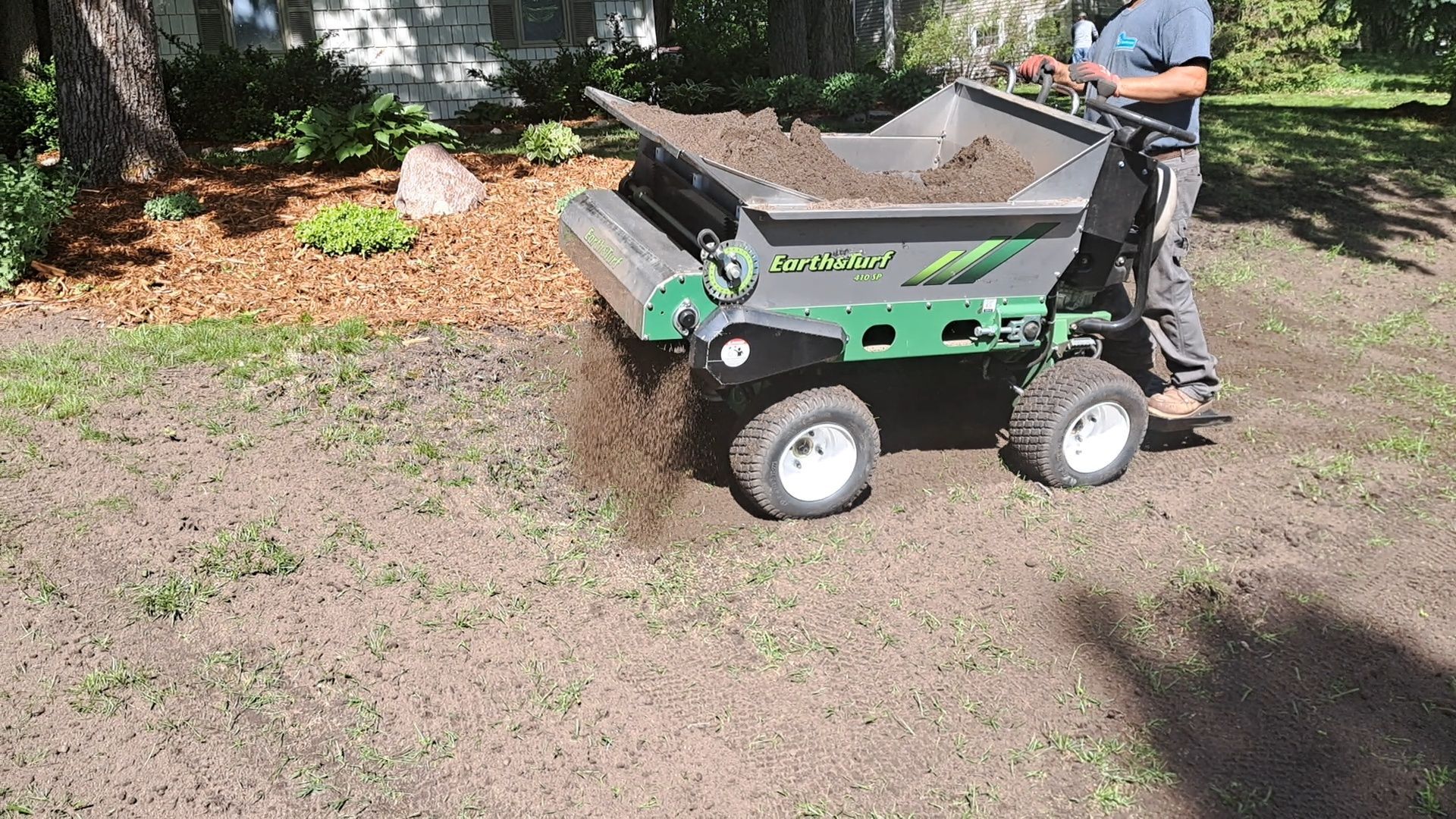
Looking for the best organic lawn fertilizer in Minnesota? See top options, how they feed your turf, and what KG uses. Get a quote.
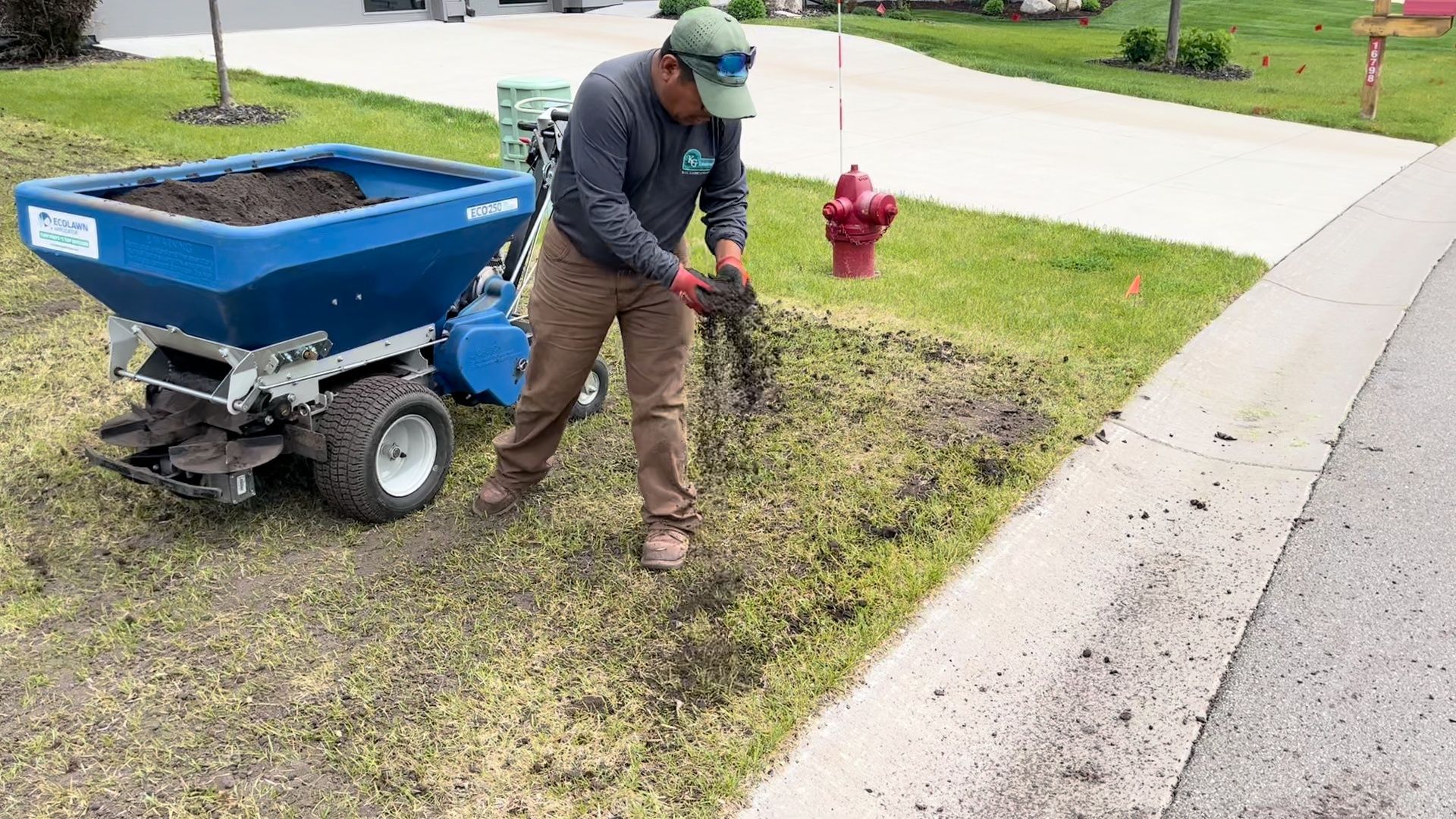
Is compost a fertilizer? Learn what compost does for your Minnesota lawn, how it differs from fertilizer, and when to use it. Get a quote.
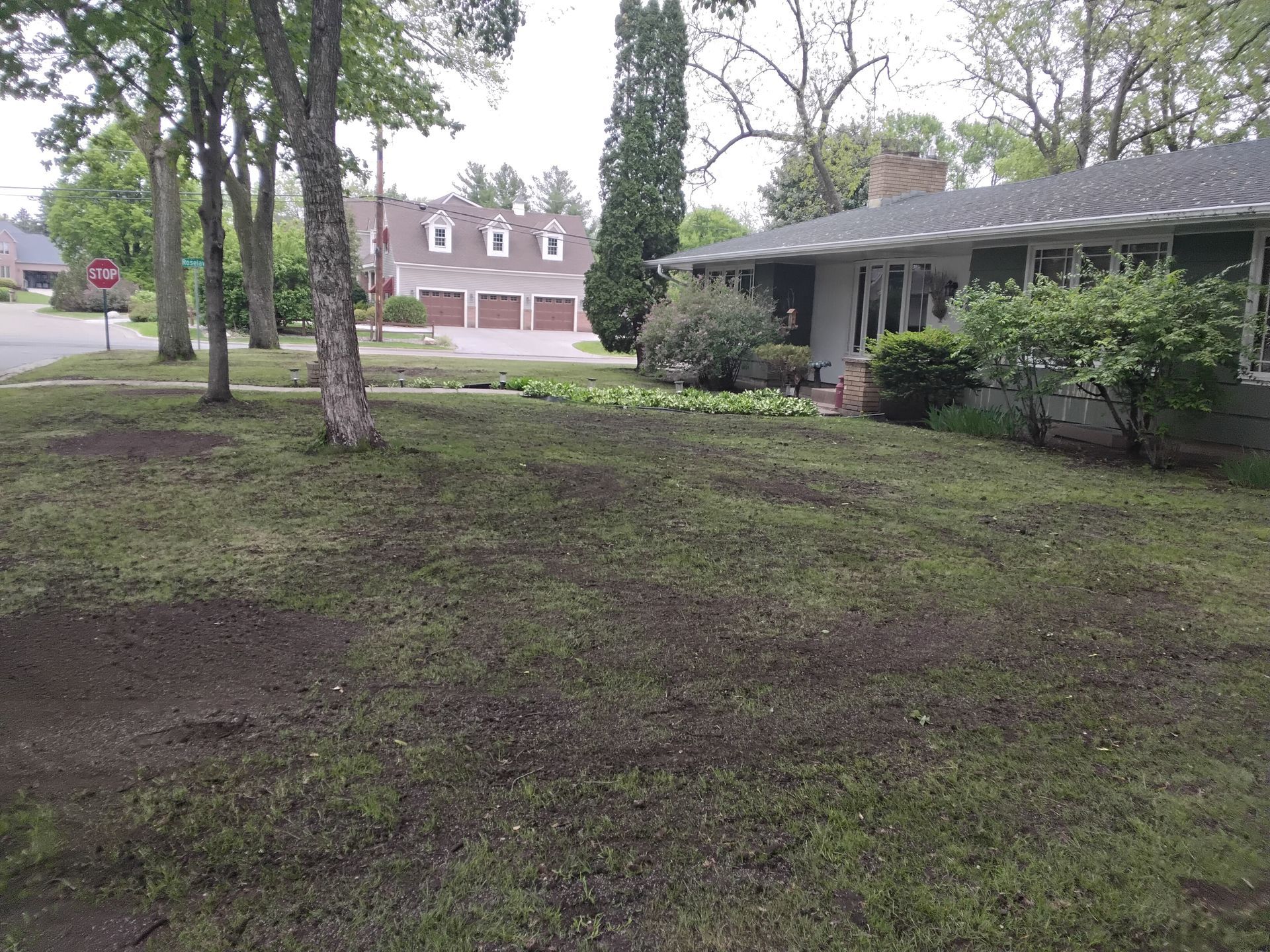
Compost feeds the soil, fertilizer feeds the grass. Learn which your Minnesota lawn needs, when to use each, and how to apply both. Get a quote.
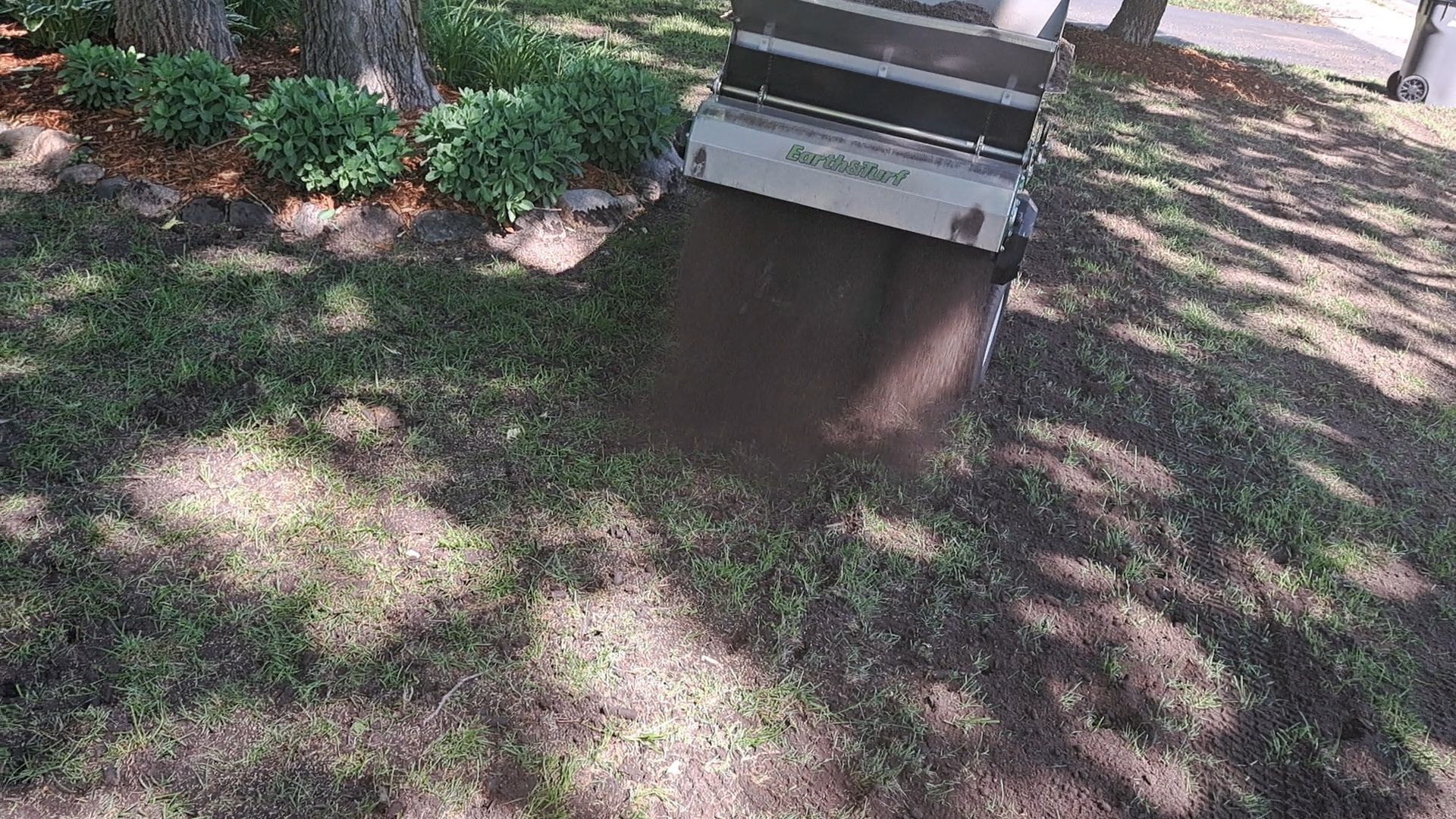
Eco-friendly lawn care tips for Twin Cities yards: cut chemicals, save water, and build healthy soil naturally. Get a free quote.
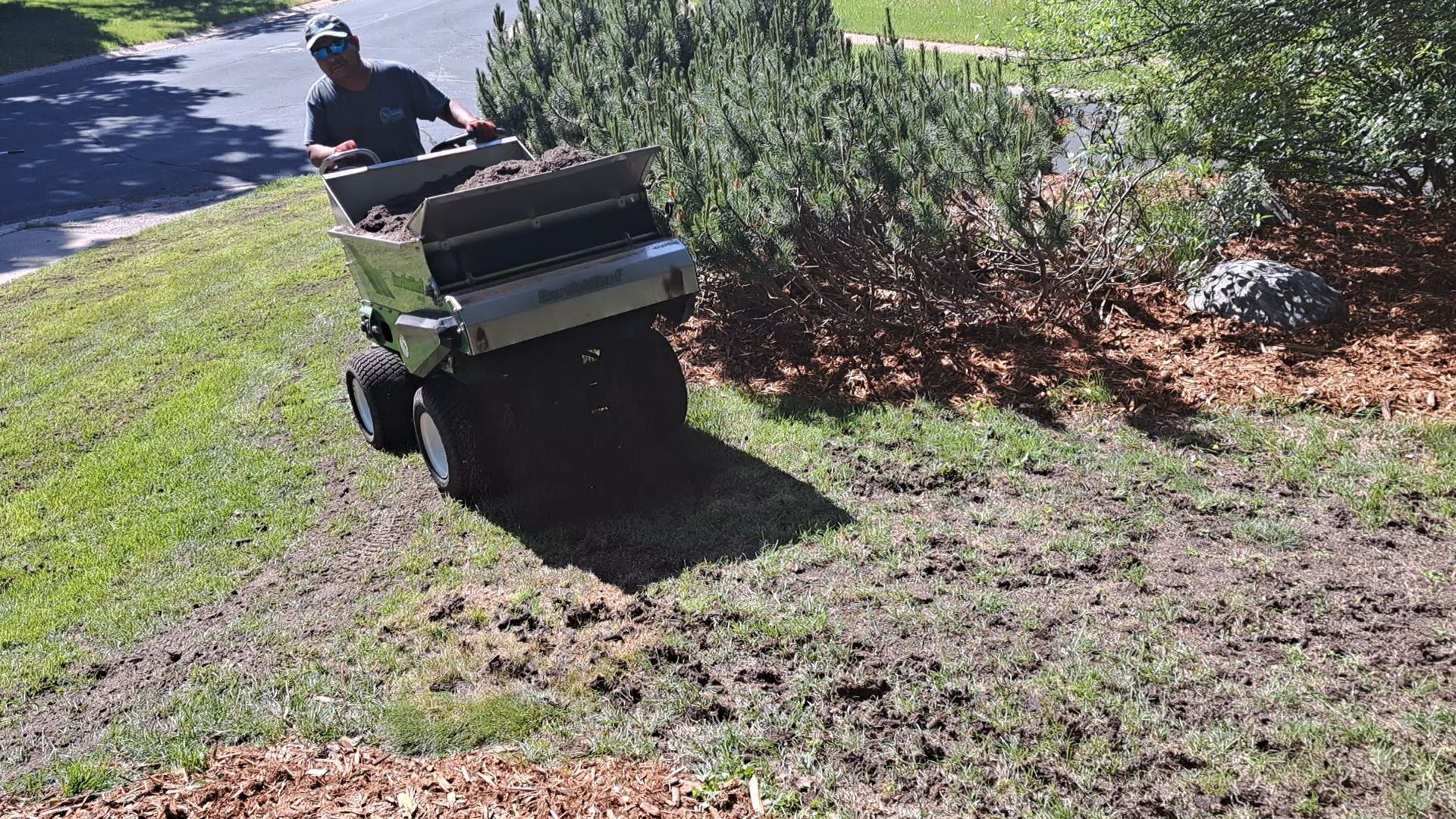
Simple, proven lawn care tips for Minnesota yards: mowing, watering, feeding, and building healthy soil that lasts. Get a free quote.