Tall or Short? Choosing Tree Size in Landscape Design
We’re lucky in Minnesota to have a four-season climate that can support a wide variety of tree and plant life. Trees add aesthetic beauty to any landscape design, but there are so many options. Today, we’re going to focus on just one aspect of trees in landscape design: their size. Some trees may only grow to be 15 feet tall, while others can be well over 100 feet. Many trees grown in residential areas will fall somewhere between these two extremes.
When choosing trees for your landscape design, keep the overall scale in mind. This is the ratio between the sizes of elements in the landscape. For example, large homes should have larger-scaled landscaping than smaller homes. Landscaping to scale will help make the visual transition between the lawn, shrubs, and trees in the landscape to the home itself. Choosing trees on the correct scale will help the yard feel more natural and comfortable to be in.
If you’re planning on adding trees to your yard, it can be hard to know what size to aim for. This post will shed some light on the situation and provide additional resources to help you find the perfect trees for your space.
Short Trees
Short trees are those that grow up to 25-30 feet when mature. We recommend shorter trees for small yards for two main reasons. First, they can be planted fairly close to the house; the Arbor Day Foundation recommends
8-10 feet away at a minimum. Second, they won’t overwhelm the space
as taller trees might.
In Minnesota, good options for shorter trees include:
*The height depends on the variety chosen
A mature American hornbeam.
Medium Trees
Medium trees are those that grow up to 40-70 feet when mature (sources vary on where the cutoff is). Medium-sized trees are probably the most versatile. While you won’t want to get them too close to a house—planting them at least 15 feet away is recommended—they can be used in yards with a little more space.
In Minnesota, good options for medium-sized trees include:
*The height depends on the variety chosen
Tall Trees
Large or tall trees are those that grow past 70 feet when mature. It’s recommended that you plant them at least 20 feet away from the house, allowing them plenty of room to spread as they grow. Use these in yards with plenty of space and to help a large yard feel a little smaller and more intimate.
In Minnesota, good options for tall trees include:
*The height depends on the variety chosen
Other Considerations
As with any landscape project, be sure to do your research before choosing new trees. Many types of trees have multiple varieties, which can vary wildly in height. For example, the English oak will reach heights of about 50 feet, while the red oak and bur oak can reach 100 feet. That’s quite a difference, and one you don’t want to discover too late. You’ll also want to be sure to choose trees with hardiness for zone 4—anything zones 5 and above may be too fragile to survive our winters.
One more aspect to keep in mind relates to the placement of the trees. Some trees have root systems closer to the surface that can disrupt driveways and sidewalks, while some have deep roots that have been known to puncture sewer systems. A few of these known troublemakers are outlined in this blog post
by Davey Tree Expert Co. However, this doesn’t necessarily mean you have to avoid them altogether. Depending on where you live, they may work just fine on your property—as long as they’re not close enough to disrupt nearby infrastructure.
The US Department of Agriculture’s Tree Owner’s Manual
. Knowing how to care for your new trees will help ensure they survive Minnesota’s climate.
Benefits of Trees
Not only are trees beautiful and good for the environment, but they can save you money in the long run. According to
“The Large Tree Argument”
released by the US Department of Agriculture, a tree can provide over $4000 in benefits over its lifetime. This number comes from energy savings (more shade means less cooling costs), healthcare savings (cleaner air leading to better health), stormwater cost savings (trees soak in water that would otherwise run off into storm sewers), and resurfacing savings (shade means tar doesn’t break down as quickly). Smaller trees result in smaller monetary benefits, but have an impact nonetheless. These numbers are also skewed toward urban areas, which is perfect if you live in Minneapolis or St. Paul. Trees in the country or suburbs still have an impact, though—we all benefit from cleaner air and reduced energy costs due to shade. To see how a tree could benefit you, try the
tree benefit calculator
developed by Casey Trees & Davey Tree Expert Co.
When you’re ready to begin your landscaping project, start with the Arbor Day Foundation’s tree database
. If you have no idea where to begin, our experts are happy to draft a design that balances trees with the space available. Contact us at 763-568-7251 or send a message through our quote system
to get started today.
Ready to Start on Your Next Project?
Call us at (763) 568-7251 or visit our quote page.
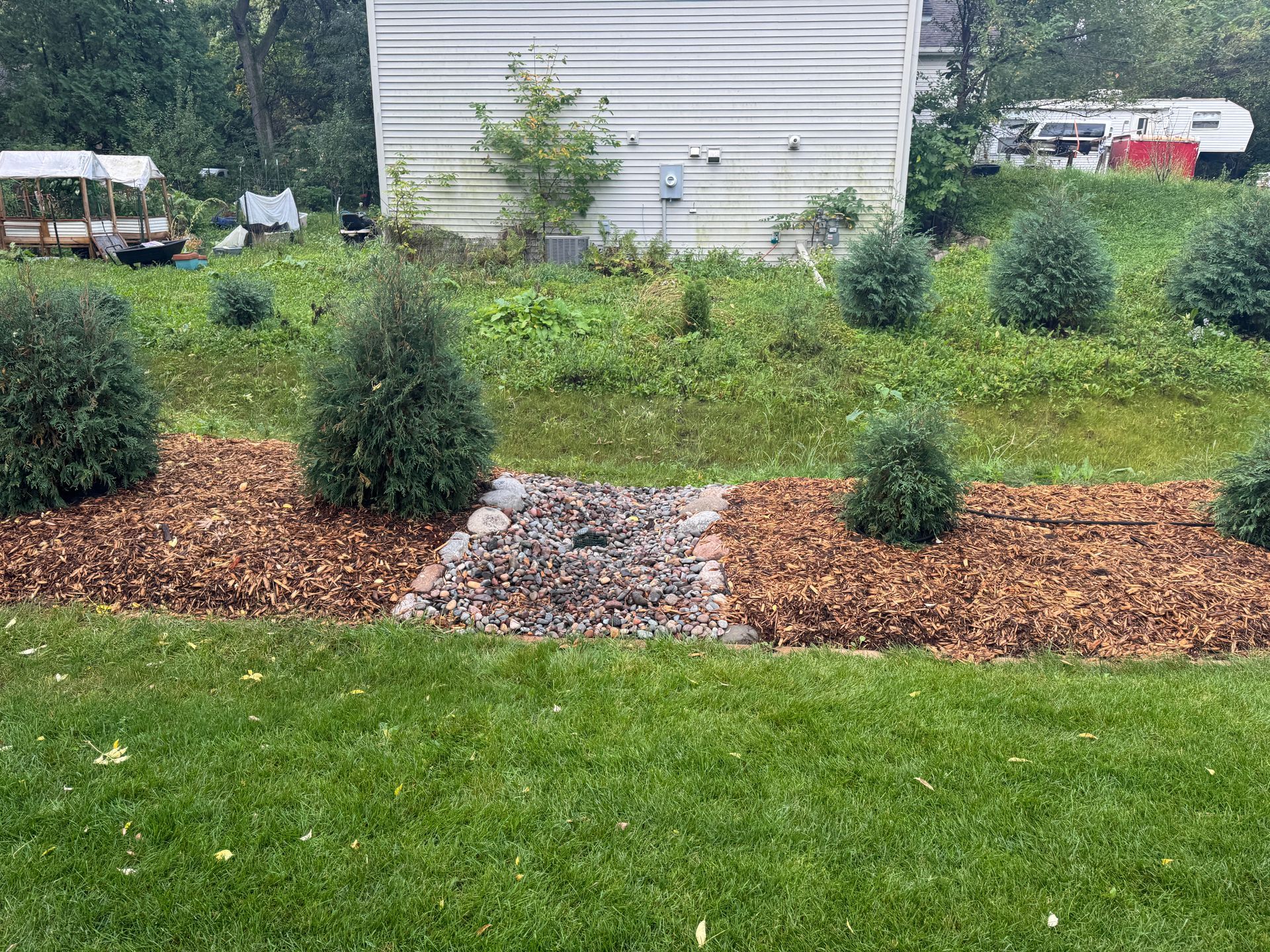
Learn how KG Landscape restored a backyard swale in Shoreview, MN, fixing drainage issues. Contact us for expert landscaping solutions!
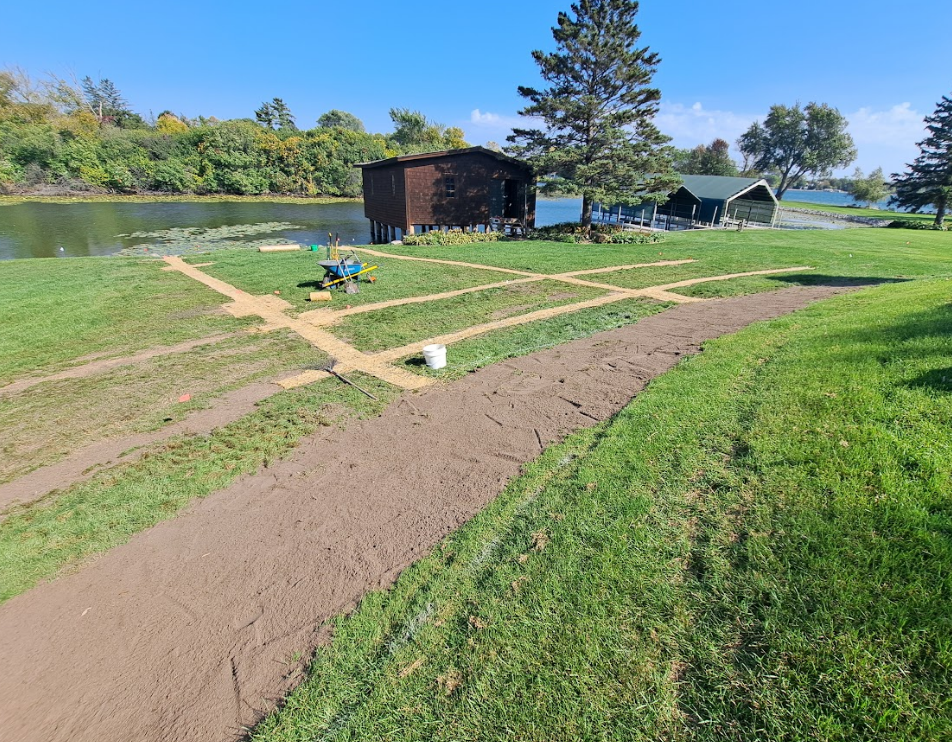
Learn how KG Landscape solved a waterlogged yard issue in Orono, MN. Contact us for eco-friendly drainage solutions today!
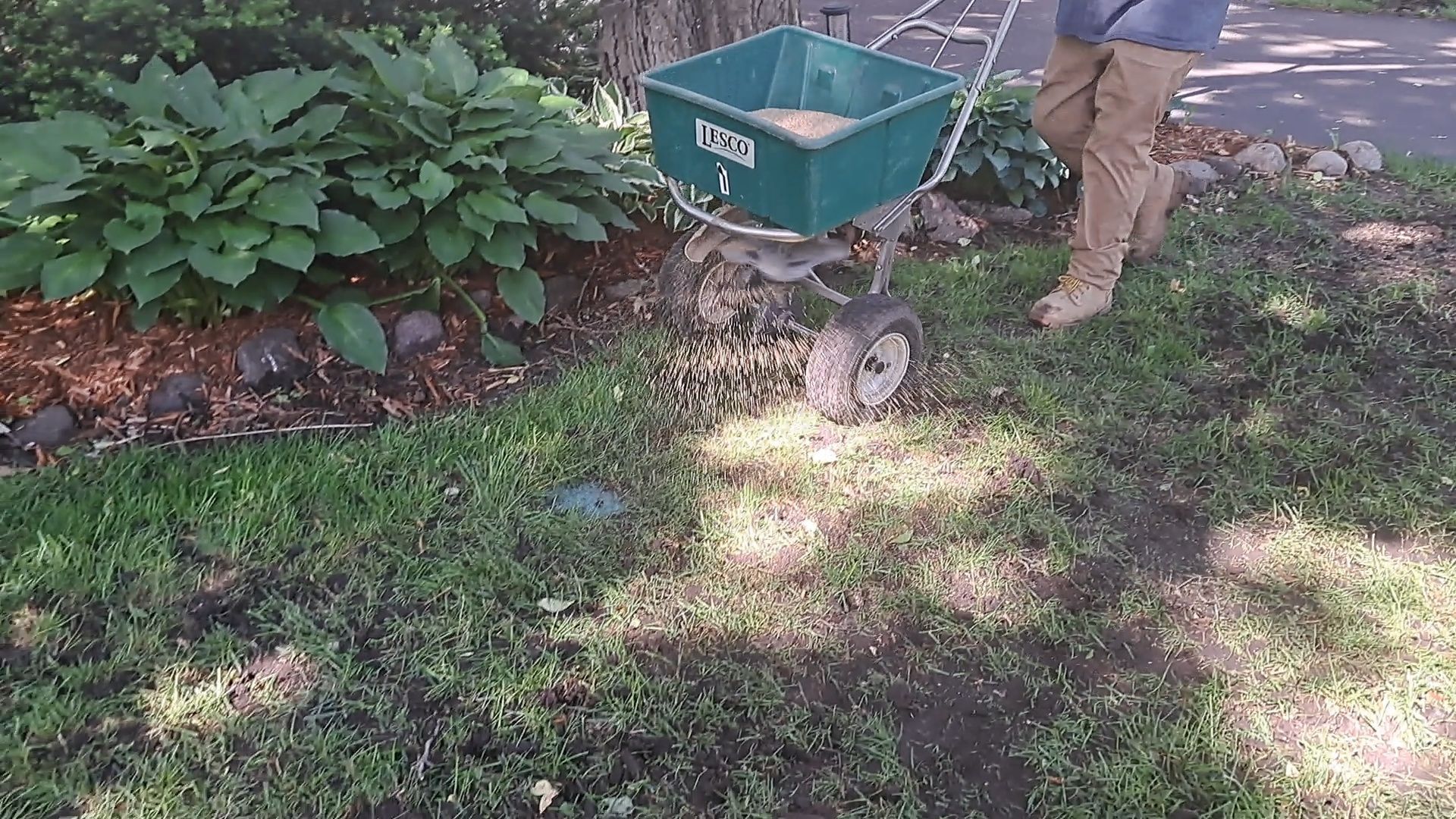
Can you use compost as lawn fertilizer in Minnesota? Learn how compost feeds turf, how to apply it, and where it fits. Get a free quote.
Organic weed control for Minnesota lawns: what works, what doesn't, and how to manage weeds without harsh chemicals. Get a quote.
Keep your lawn and your pets safe. Pet-safe lawn care tips for Minnesota yards, from products to timing. Get a free quote.
Looking for the best organic lawn fertilizer in Minnesota? See top options, how they feed your turf, and what KG uses. Get a quote.
Is compost a fertilizer? Learn what compost does for your Minnesota lawn, how it differs from fertilizer, and when to use it. Get a quote.
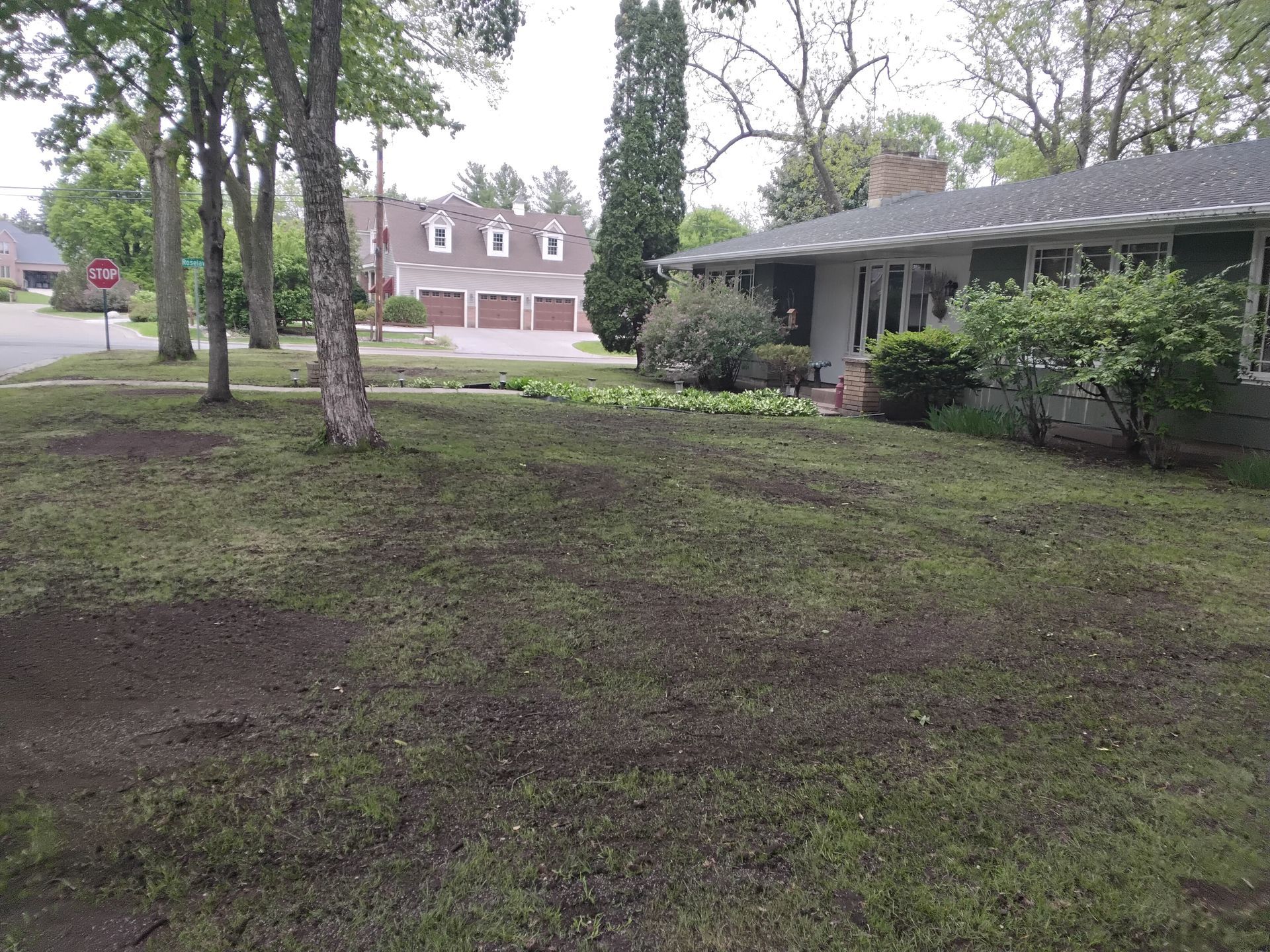
Compost feeds the soil, fertilizer feeds the grass. Learn which your Minnesota lawn needs, when to use each, and how to apply both. Get a quote.
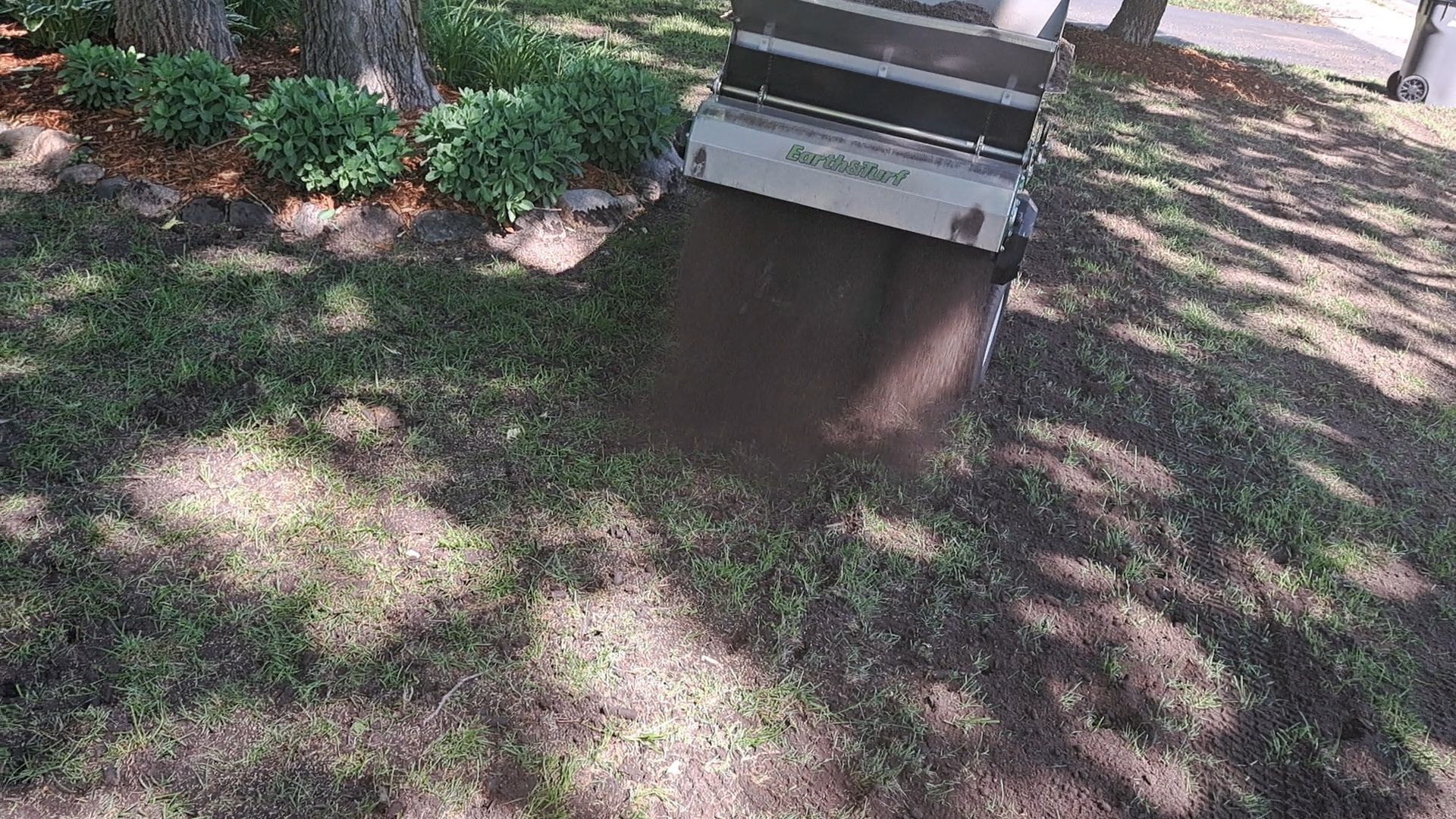
Eco-friendly lawn care tips for Twin Cities yards: cut chemicals, save water, and build healthy soil naturally. Get a free quote.
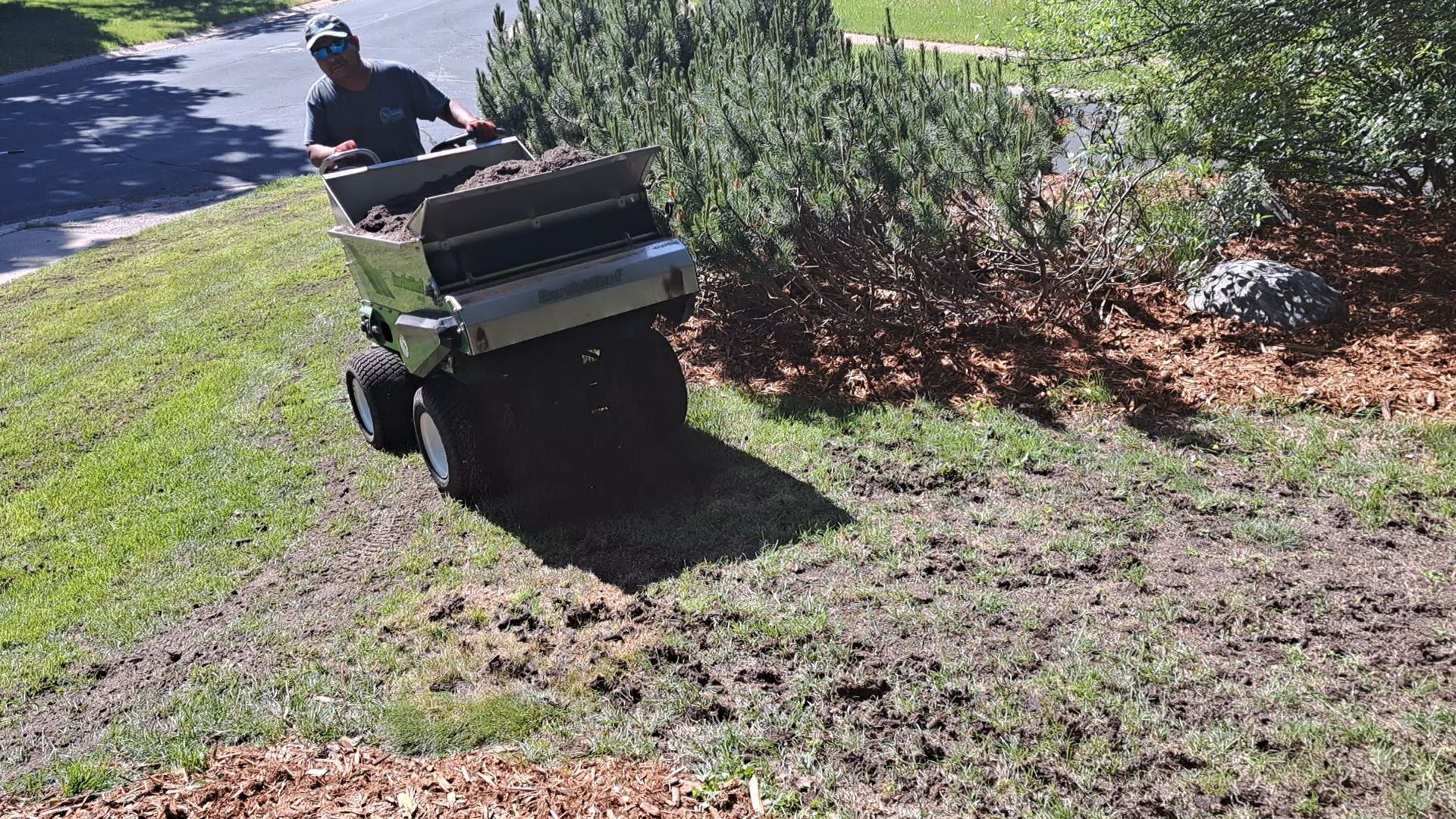
Simple, proven lawn care tips for Minnesota yards: mowing, watering, feeding, and building healthy soil that lasts. Get a free quote.