
When Do I Plant Annual Flowers in Minnesota?
Minnesota is a very mercurial weather state, which makes it difficult to know when to plant annuals. It is incredibly hard to predict when the weather will turn warm for good. Just look at the current spring versus spring last year. Last spring’s warm weather did not really start until June because we had our last snowstorm in early May. This year was a much more drawn-out spring where the last snowfall was in early April. However, the temperatures have fluctuated all over the place.
Why does the frost date matter?
The last frost date is crucial when planting annual flowers and plants. These “one season” plants are not as hardy as perennials or shrubs so they are affected much more by cold temperatures. They are also not buried as deeply in the ground and do not have the same established root systems that perennials and shrubs have. When the weather turns cold, the water in and around the plants can freeze and harm growth or even kill it. For this reason, it’s really important to know when the last frost date occurs.
The average last frost date for the Twin Cities is May 21. It gets up to June 15 in the northern regions of Minnesota. Keep in mind that that’s an average, so it can fluctuate between earlier and later. However, if at all possible, we try to plant our annuals in pots or displays after this date.
This year is a perfect example of why you should be patient and not overzealous with your annual plantings. Just this week (writing this on May 20, 2015), the temperature will get down to 35° F in the Twin Cities and even colder in other parts of Minnesota. That spells doom for many annuals. Patience is a virtue, especially when it comes to annual planting.
Are different types of annuals hardier than other types?
Another type of annual is the half-hardy annual
. These annuals can tolerate weather into the 30s F. There are a ton of plants that fit into this category, including marigolds, dusty miller, ageratum, petunias, cleome, and nicotiana. The most spectacular (and popular) annuals are the tropical or exotic annuals
like begonias and impatiens. Unfortunately, these are also the most tender type of annuals. You would not want these plants to hit any weather below 40°F. Make sure to wait until June to plant these, if at all possible.
More information
If you need more information about annuals in Minnesota, check out this document from the University of Minnesota
. You can also give us a call at 763-568-7251 for any of your annual planting needs, or submit a message through our quote system. We love designing annual pots, window boxes, or annual planters for homes and businesses. We are a full service landscape design and installation company with over 10 years of experience.
Ready to Start on Your Next Project?
Call us at (763) 568-7251 or visit our quote page.
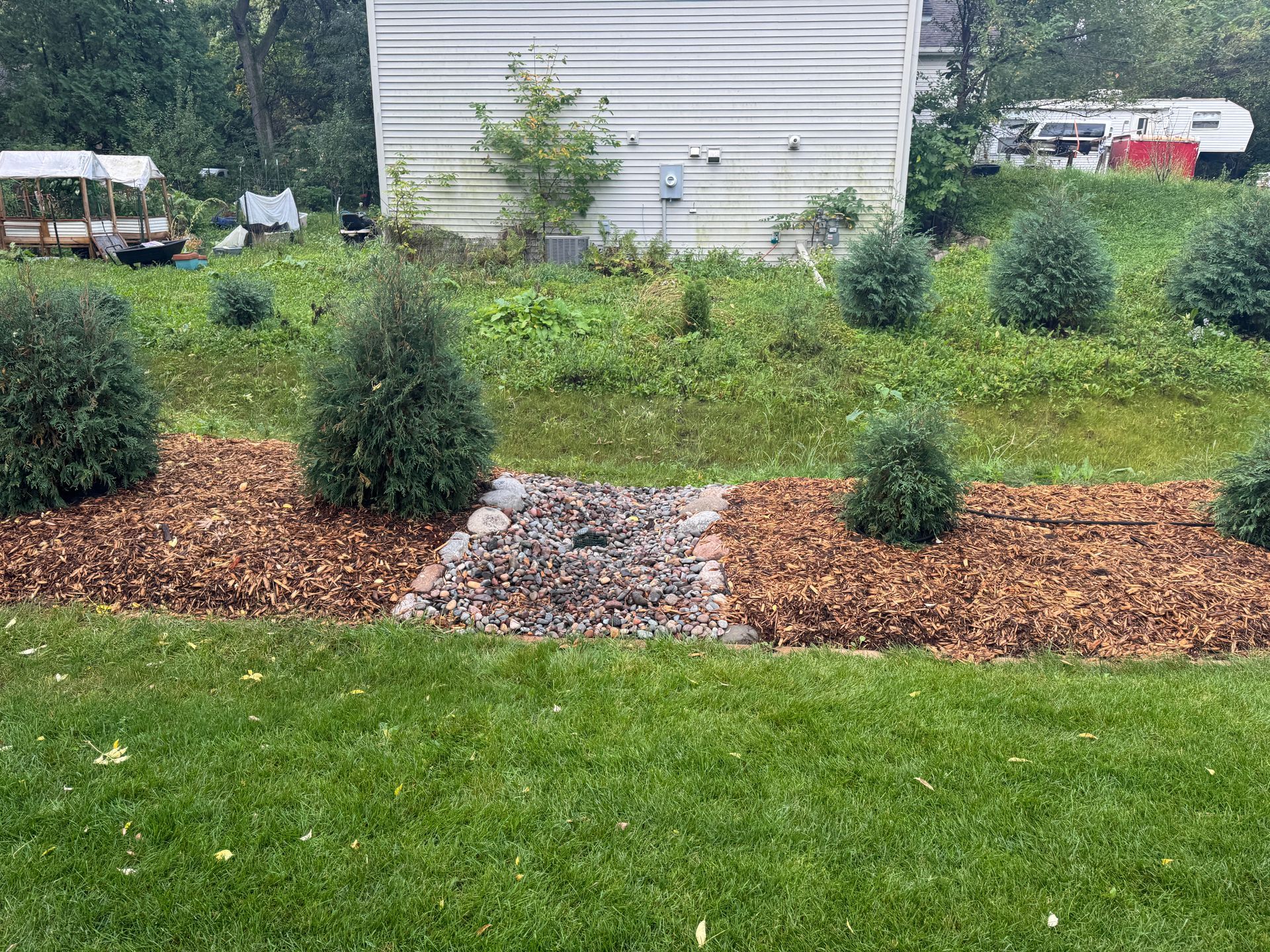
Learn how KG Landscape restored a backyard swale in Shoreview, MN, fixing drainage issues. Contact us for expert landscaping solutions!
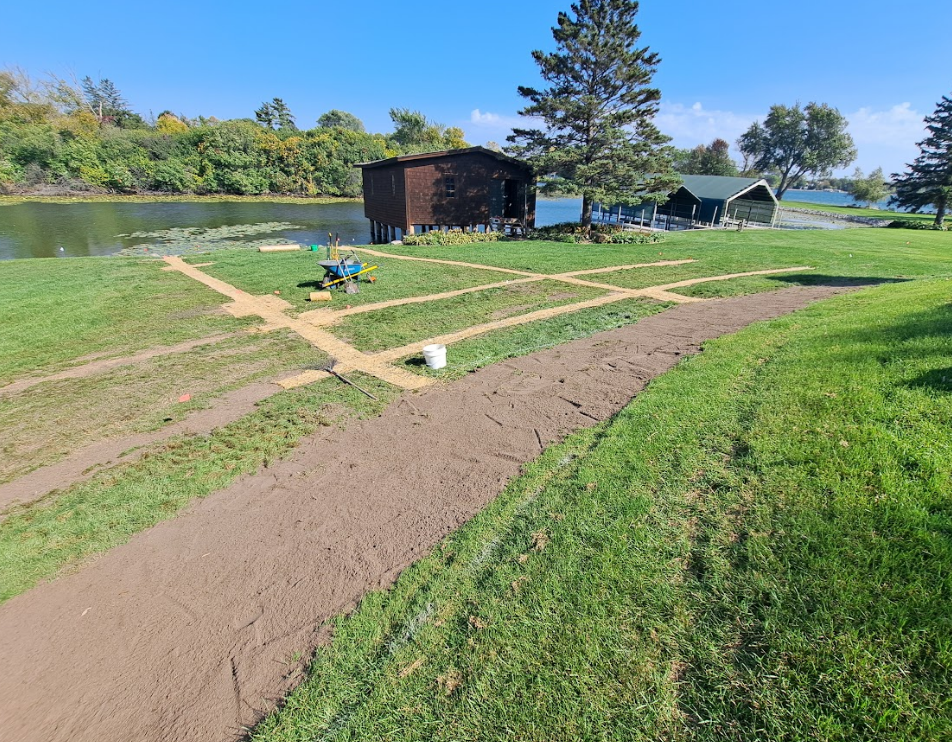
Learn how KG Landscape solved a waterlogged yard issue in Orono, MN. Contact us for eco-friendly drainage solutions today!
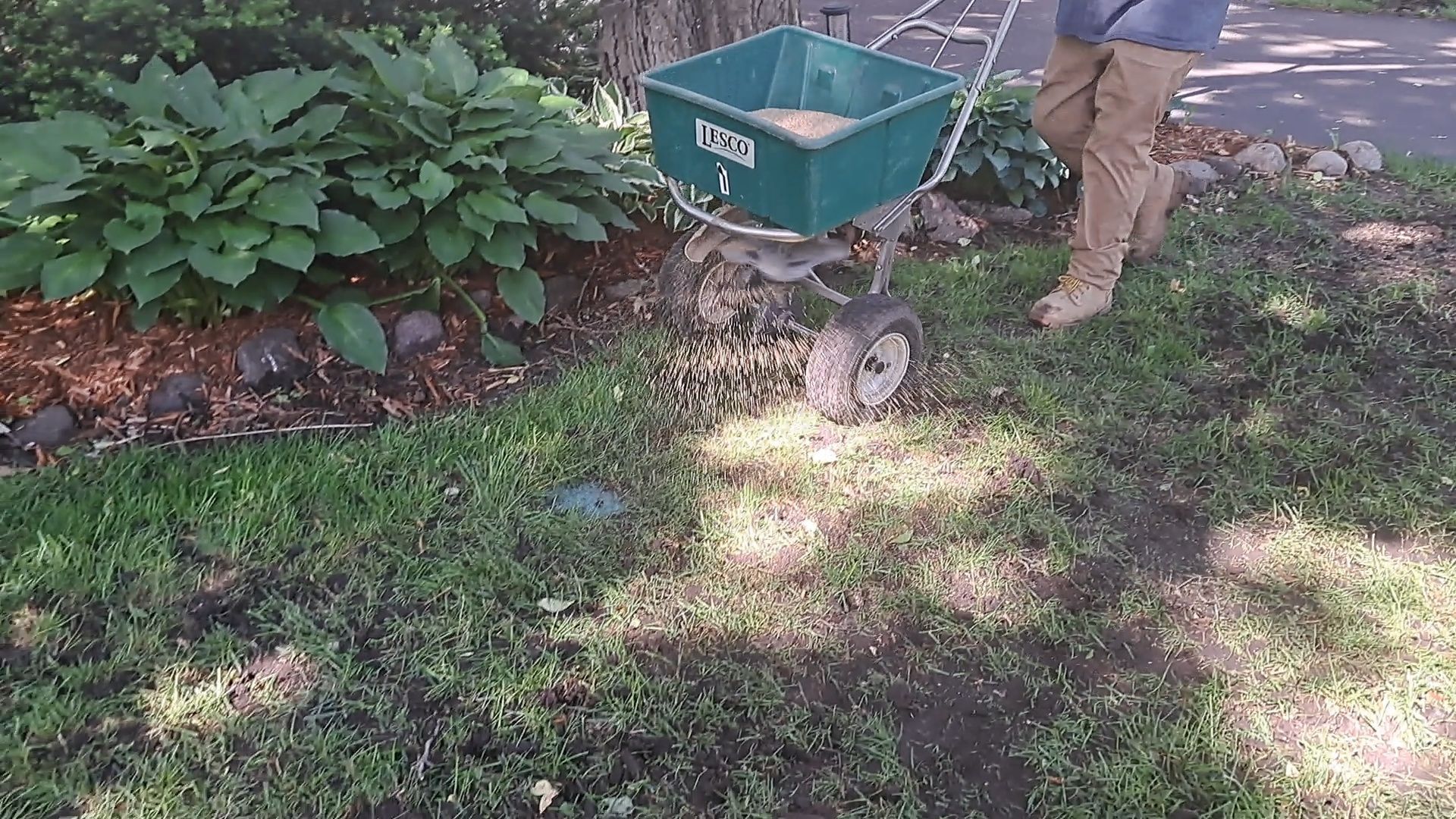
Can you use compost as lawn fertilizer in Minnesota? Learn how compost feeds turf, how to apply it, and where it fits. Get a free quote.
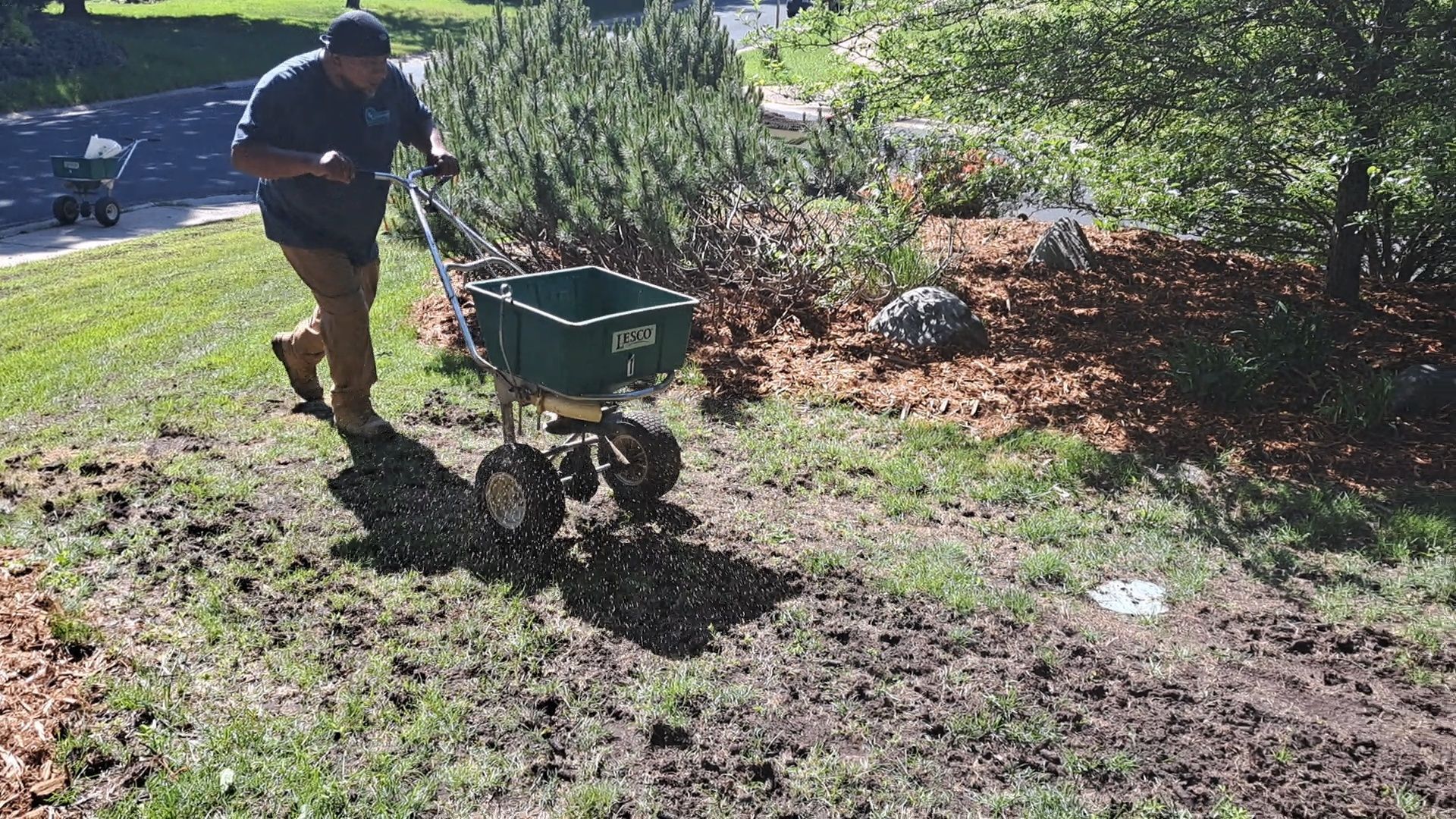
Organic weed control for Minnesota lawns: what works, what doesn't, and how to manage weeds without harsh chemicals. Get a quote.

Keep your lawn and your pets safe. Pet-safe lawn care tips for Minnesota yards, from products to timing. Get a free quote.
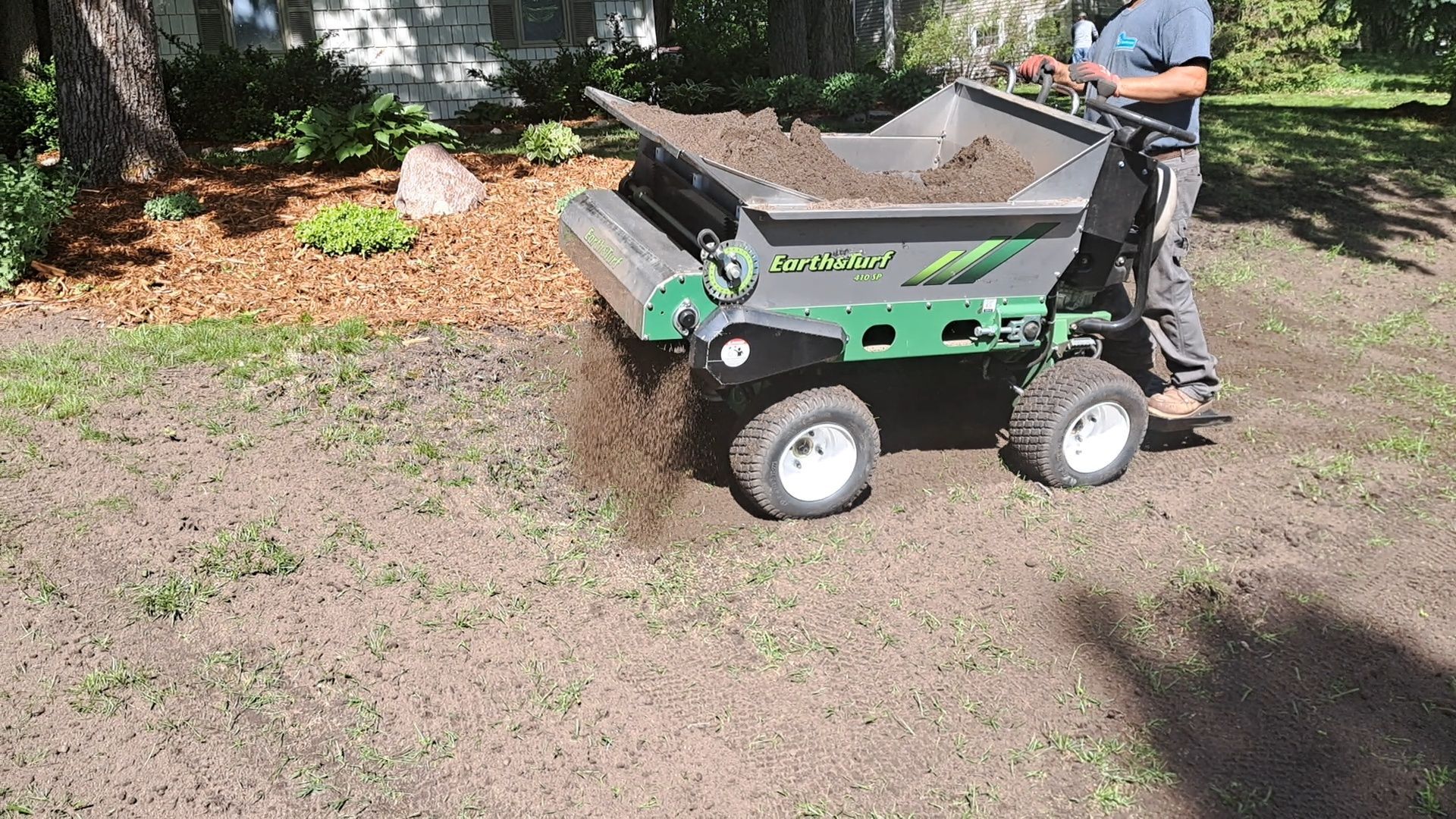
Looking for the best organic lawn fertilizer in Minnesota? See top options, how they feed your turf, and what KG uses. Get a quote.
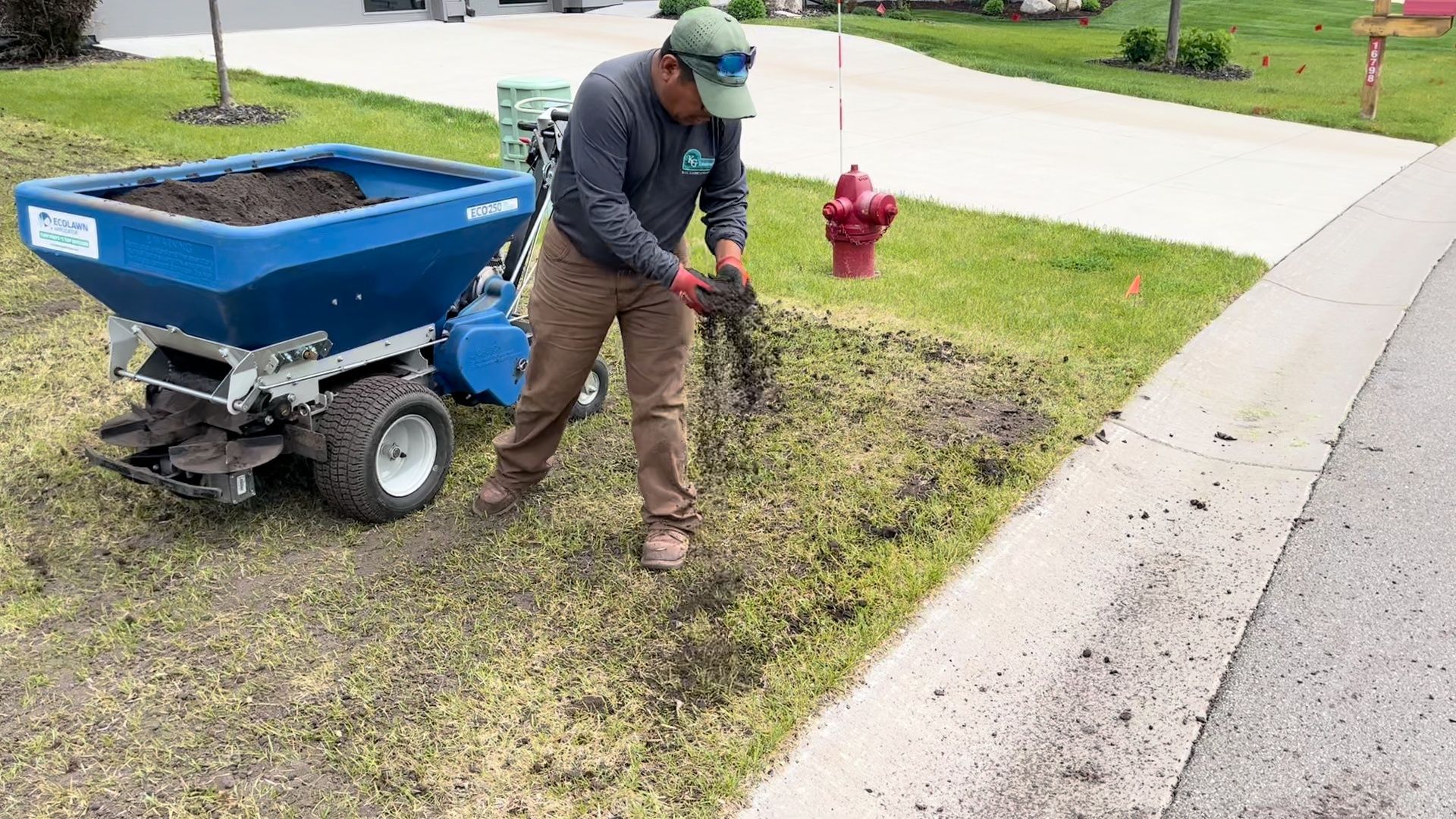
Is compost a fertilizer? Learn what compost does for your Minnesota lawn, how it differs from fertilizer, and when to use it. Get a quote.
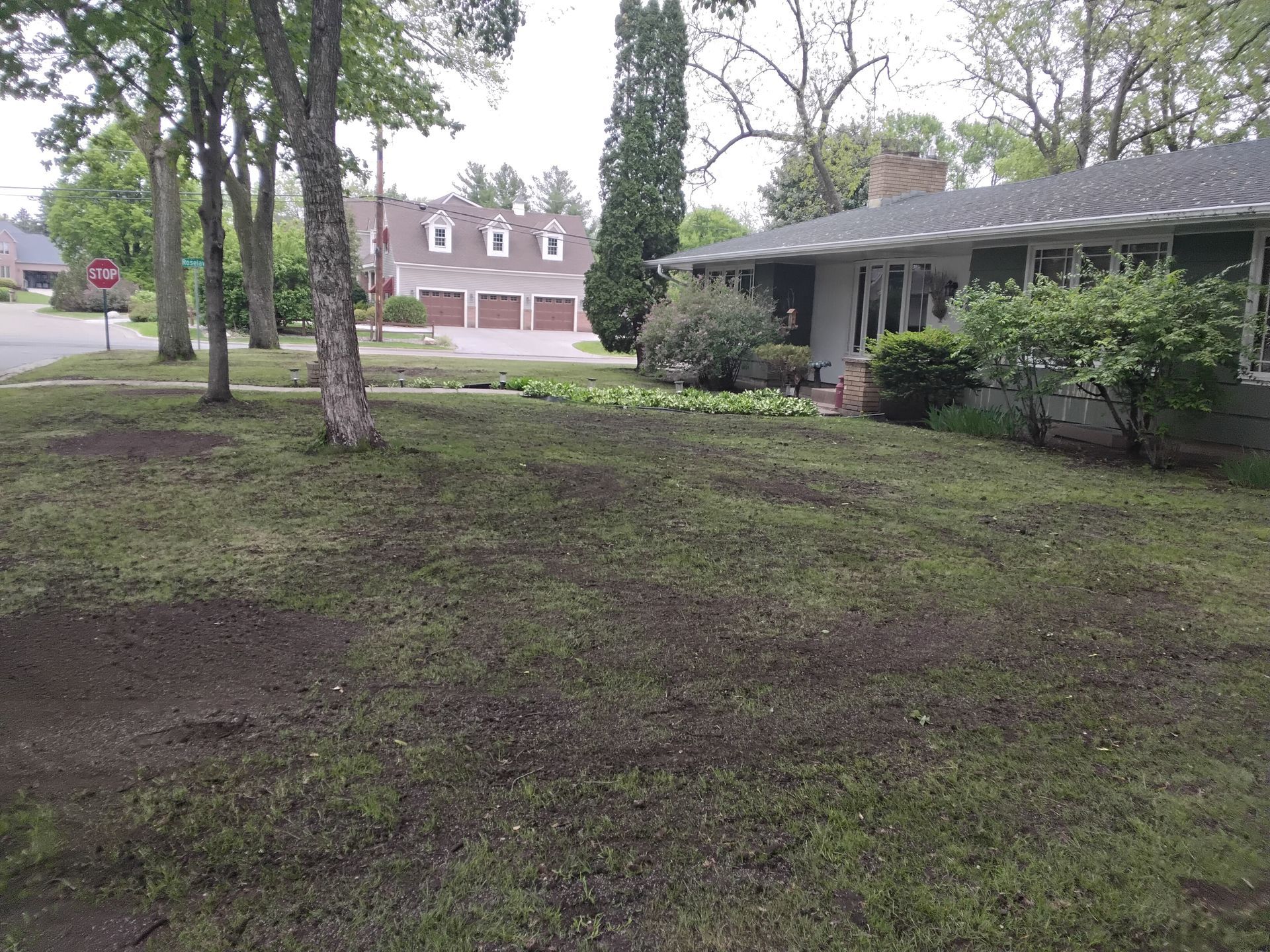
Compost feeds the soil, fertilizer feeds the grass. Learn which your Minnesota lawn needs, when to use each, and how to apply both. Get a quote.
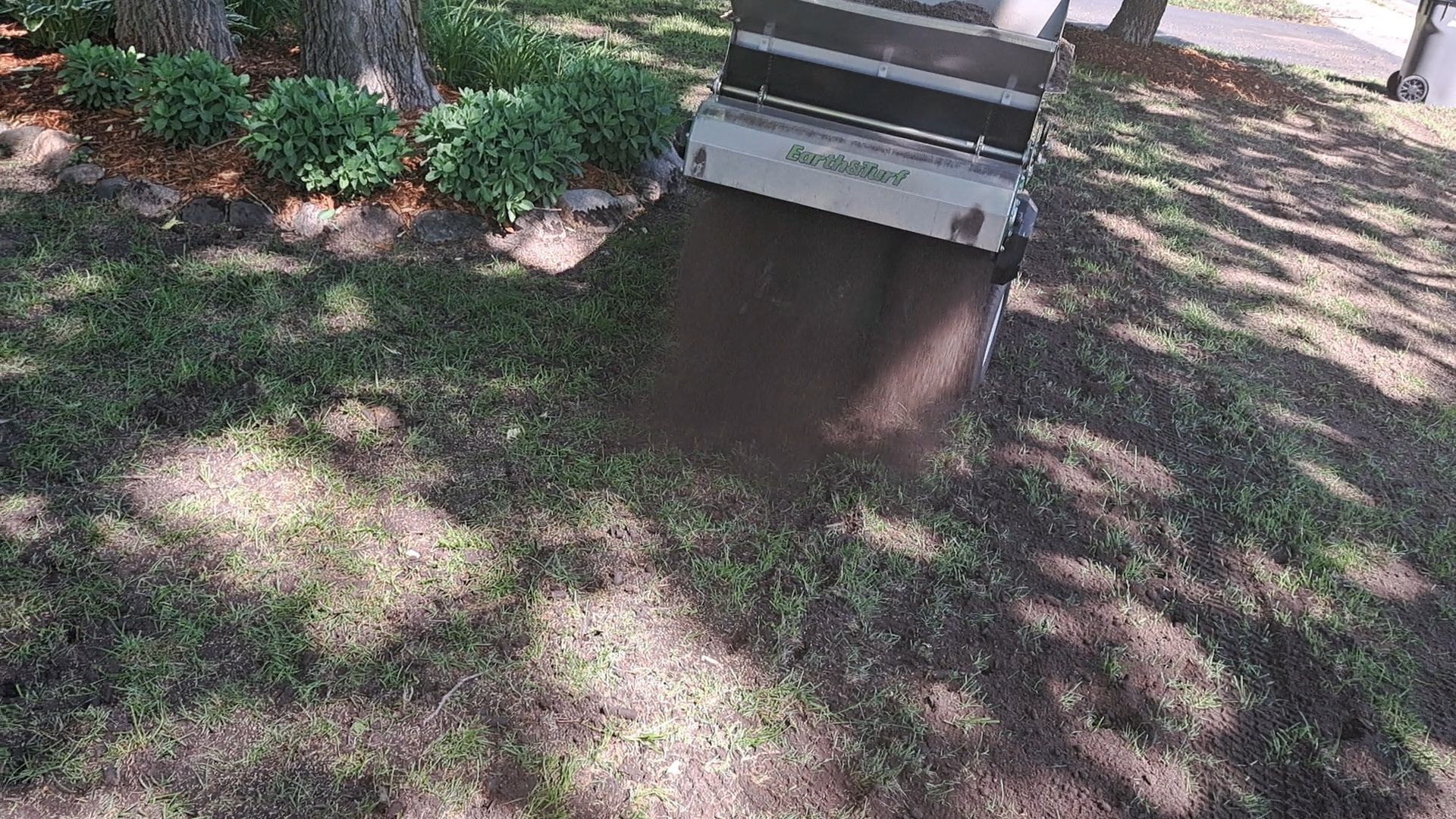
Eco-friendly lawn care tips for Twin Cities yards: cut chemicals, save water, and build healthy soil naturally. Get a free quote.
Simple, proven lawn care tips for Minnesota yards: mowing, watering, feeding, and building healthy soil that lasts. Get a free quote.