
How to Use Mortared Stone for Your Retaining Walls
Retaining walls are an elegant way to take your outdoor space to the next level. They are most frequently used to prevent soil erosion but can also be used to divide up space or as a base for plant beds on your property. Stone is one of the most commonly used materials for retaining walls. There are two main ways to use stone in retaining walls: dry-stacked and wet-laid or mortared. Dry-stacked walls use interlocking stones to form a cohesive wall, while wet-laid walls use mortar to bind the stones together. Both types of stone walls have their advantages, but mortared stone walls tend to require less maintenance over time. Let’s take an in-depth look at the process of building a mortared stone retaining wall.
Always check with local authorities before you build. Building a retaining wall could affect the drainage of the surrounding area, and you may have to submit your plans and schedule an inspection. You should also call “811” which is the national call-before-you-dig hotline. They will notify utility companies that you plan to dig and mark any utility lines before starting your project.
What You’ll Need
While every retaining wall project is different based on each property’s unique needs, becoming familiar with the various tools and supplies you’ll need to complete your project is important. Once you choose the area on your property where you would like your retaining wall to be installed, it’s time to make a design and create a list. Below is an example of a few of the different tools and supplies you may need, so your retaining wall is built to last.
After gathering appropriate tools and supplies, it’s time to get started on your project. Building retaining walls is a simple process that requires extensive planning and attention to detail. The retaining wall experts at KG Landscape have created a simple step-by-step process, so you can upgrade your property with a quality retaining wall in no time.

Retaining Wall Construction Process
Step 1: Build Your Base
Building a solid foundation for your retaining wall will help it stand the test of time. You should begin your project by digging a trench that is 6 inches wider than your wall and at least 12 inches deep. For colder climates, your trench needs to be deeper than the frost line
to prevent the wall from heaving. Pour at least 8 inches of gravel in the bottom of the trench. Tamp the gravel, and use a carpenter’s level to ensure your base is level.
Step 2: Excavate the Slope
Drainage can be a problem with retaining walls
, so digging out the slope of your wall is crucial. You’ll want your retaining wall to be slightly shorter than the high point of the slope, ensuring that water can easily flow over the top of the wall. Start by digging into the slope 12 inches from where you’ll build the wall. Pour and tamp gravel into the base, and make sure the area is level.
Step 3: Fit the First Layer
The best way to create a stable first layer is to use the largest and heaviest stones. Lay your stones in the trench. Using a rubber mallet, adjust the stones, so they are level. You may also have to change the gravel beneath the stones. This first layer will be beneath the surface, so cosmetics are less critical as long as the stones are level. It’s a good idea to install stakes at either end of the wall and run a string across. Use the string to guide you as you start building more layers.
Step 4: Install a Drainage Pipe
Excess water can cause retaining walls to collapse eventually. In addition to a gravel base, a drainage pipe is a vital component to the longevity of your wall. The pipe should be wider than the wall so that the water can drain into the yard. Lay the pipe along the back of the wall, drainage holes facing down. It is helpful to add landscape fabric to keep soil off the pipe. Cover the pipe with gravel.
Step 5: Add Your Next Layer
Once you’ve made sure your first layer is stable, and to your liking, you’re ready to add mortar. Add mortar between and on the tops of stones. Try to stay away from the stone’s edges, as adding the second layer may make the mortar squeeze out of the sides. When laying the second layer, make sure the joints of the stones on each layer are staggered. This will evenly distribute the weak points in your wall, making it stronger overall. Lay the stones into place, and tap them with a rubber mallet to ensure good contact. Remove any excess mortar with a trowel, and repeat this step until the desired height is reached. Make sure to top the wall with flatter, more attractive stones.
Step 6: Cut Stones
You may find yourself needing to cut stones to fit. A diamond blade on a wet saw works great, but if you find yourself with more primitive tools, a rubber mallet and chisel will be just fine. If you are unfamiliar with wet saws, use the chisel method. Always wear eye protection when cutting stones.
Step 7: Smooth Joints
When the mortar begins to set, brush off the excess. Take a wet rag to any mortar that may have strayed onto the stone faces. Once firm but not dry, smooth and compact the mortar using a concave jointer.
Get Started on Your Retaining Wall
A retaining wall can add depth and function to your landscape while increasing the value of your home. Zealous homeowners with a do-it-yourself attitude may love the reward of building their own wall. If a DIY retaining wall sounds intimidating to you, don’t hesitate to contact the professionals at KG Landscape. Our team of landscapers can help you design and build the retaining walls to create the yard of your dreams.
Ready to Start on Your Next Project?
Call us at (763) 568-7251 or visit our quote page.
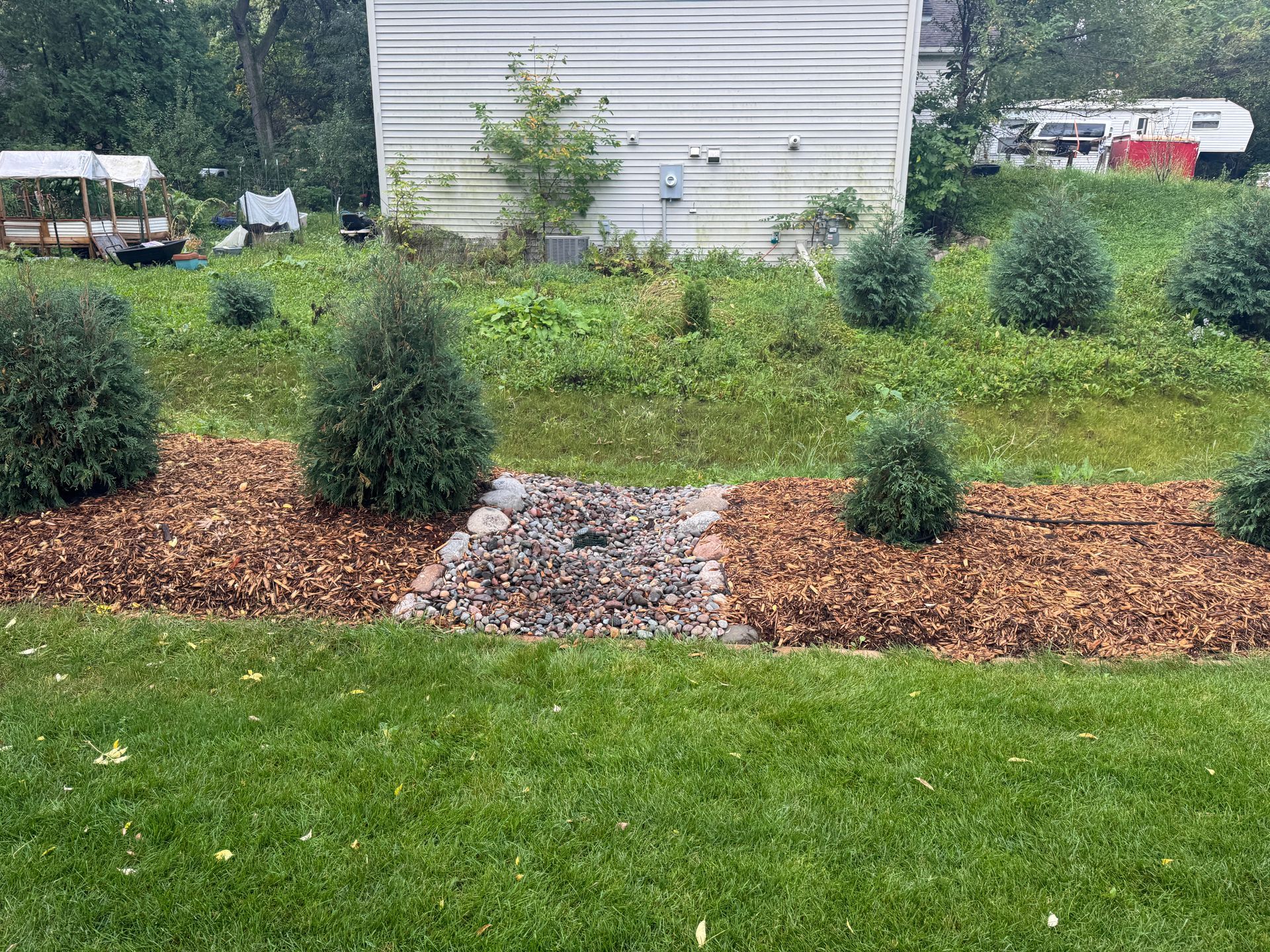
Learn how KG Landscape restored a backyard swale in Shoreview, MN, fixing drainage issues. Contact us for expert landscaping solutions!
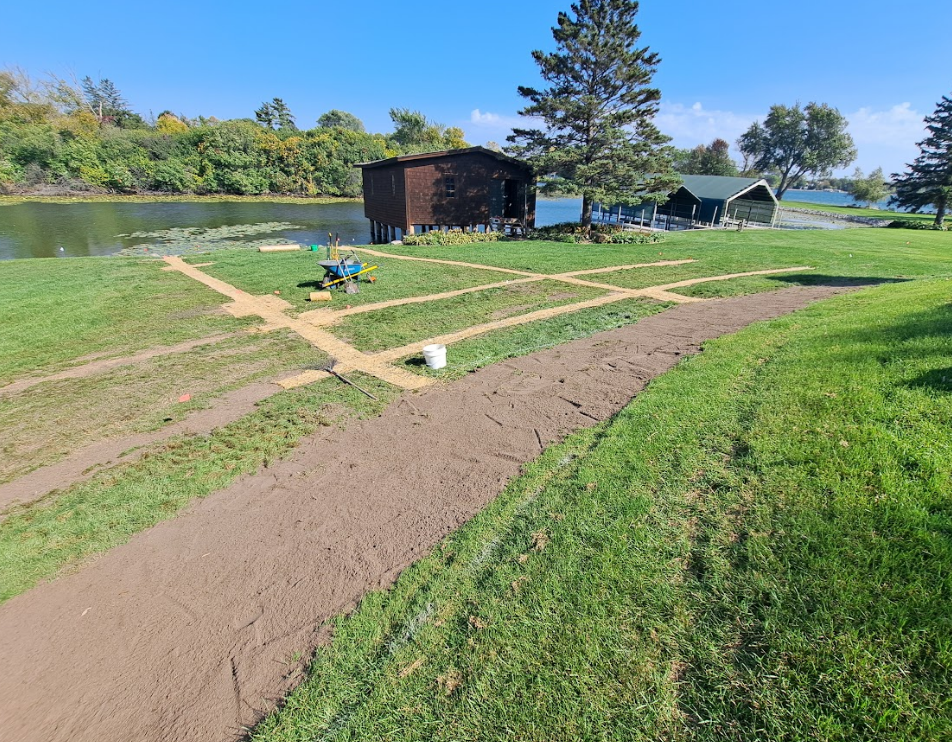
Learn how KG Landscape solved a waterlogged yard issue in Orono, MN. Contact us for eco-friendly drainage solutions today!
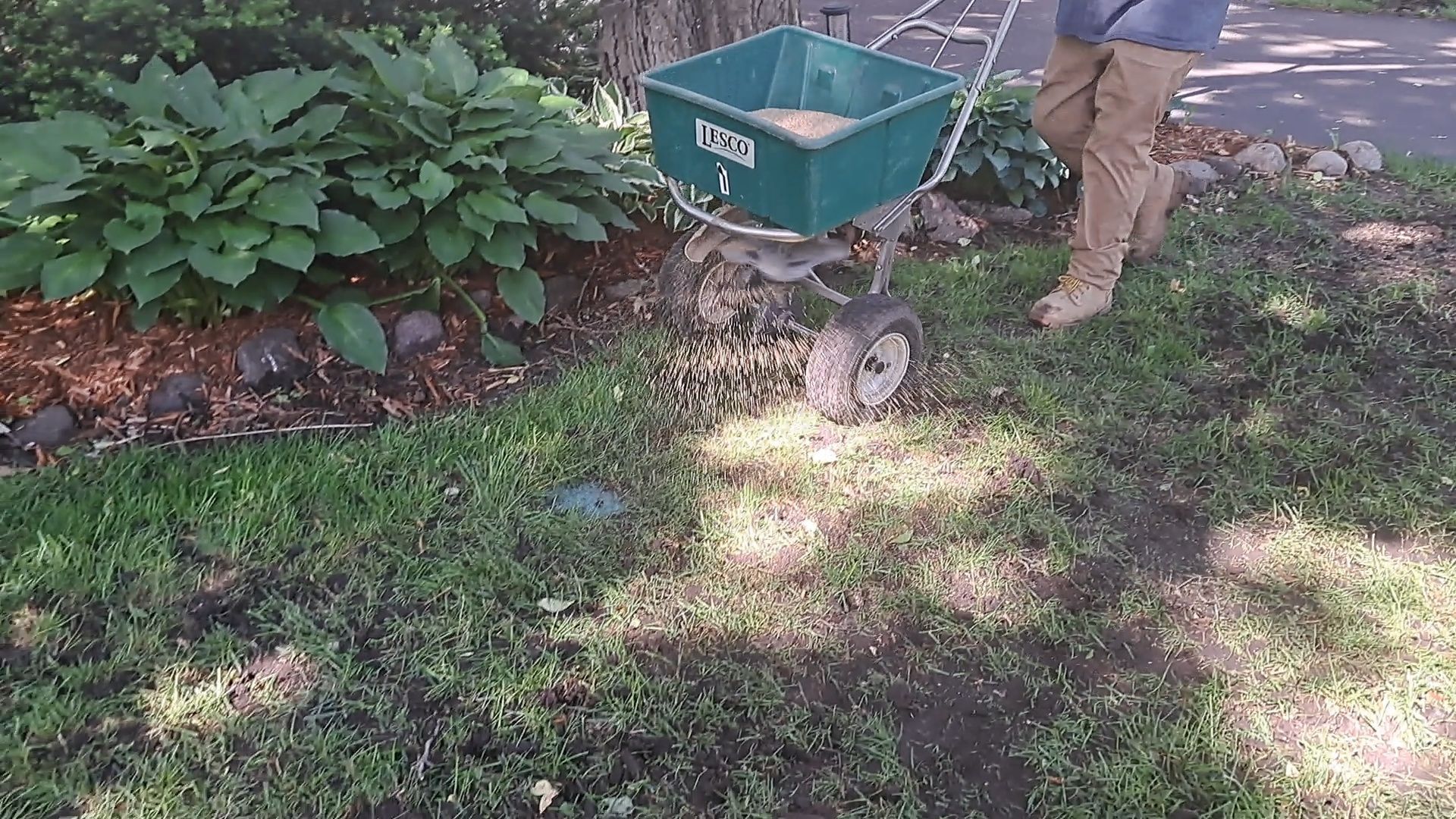
Can you use compost as lawn fertilizer in Minnesota? Learn how compost feeds turf, how to apply it, and where it fits. Get a free quote.
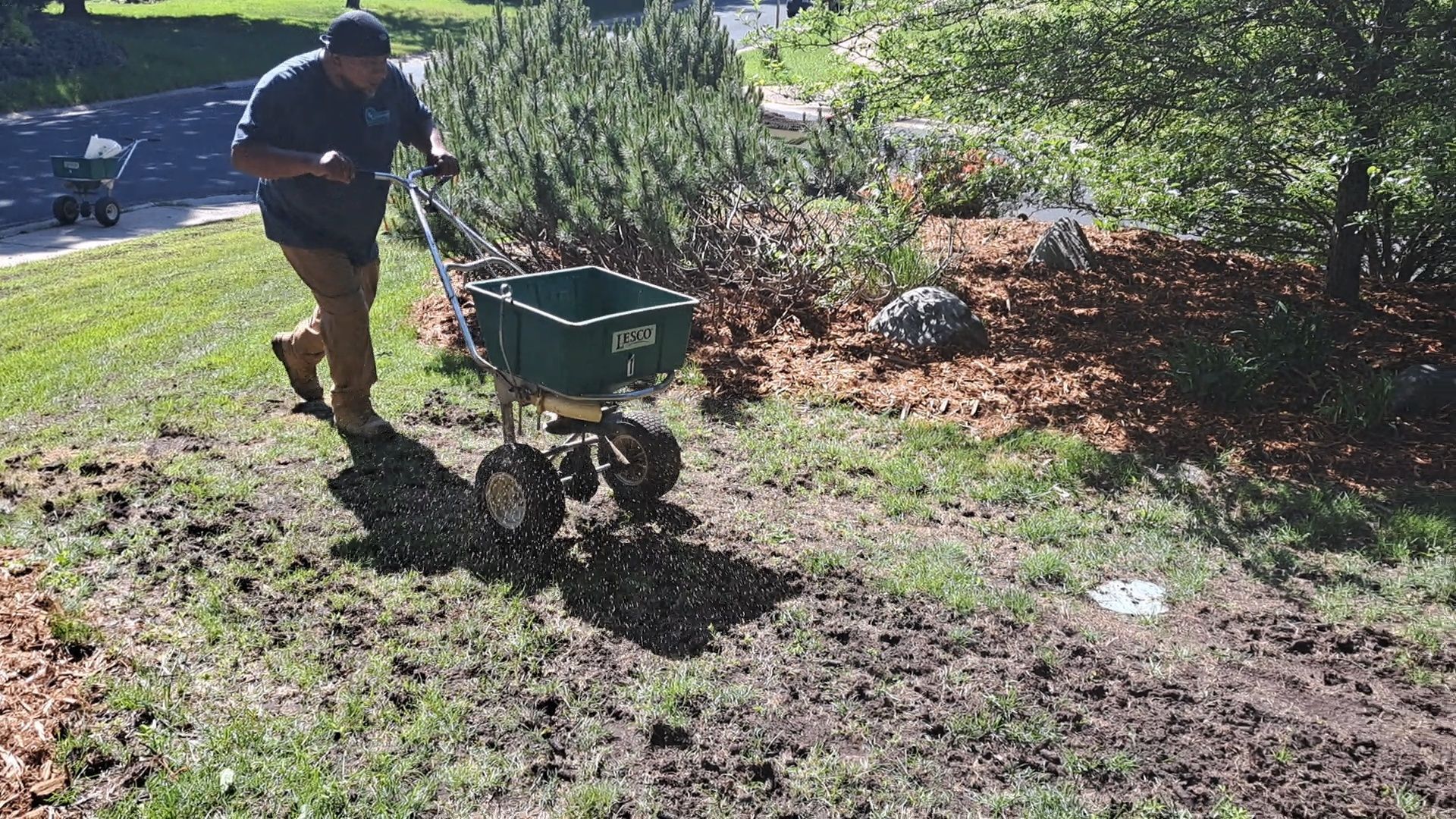
Organic weed control for Minnesota lawns: what works, what doesn't, and how to manage weeds without harsh chemicals. Get a quote.

Keep your lawn and your pets safe. Pet-safe lawn care tips for Minnesota yards, from products to timing. Get a free quote.
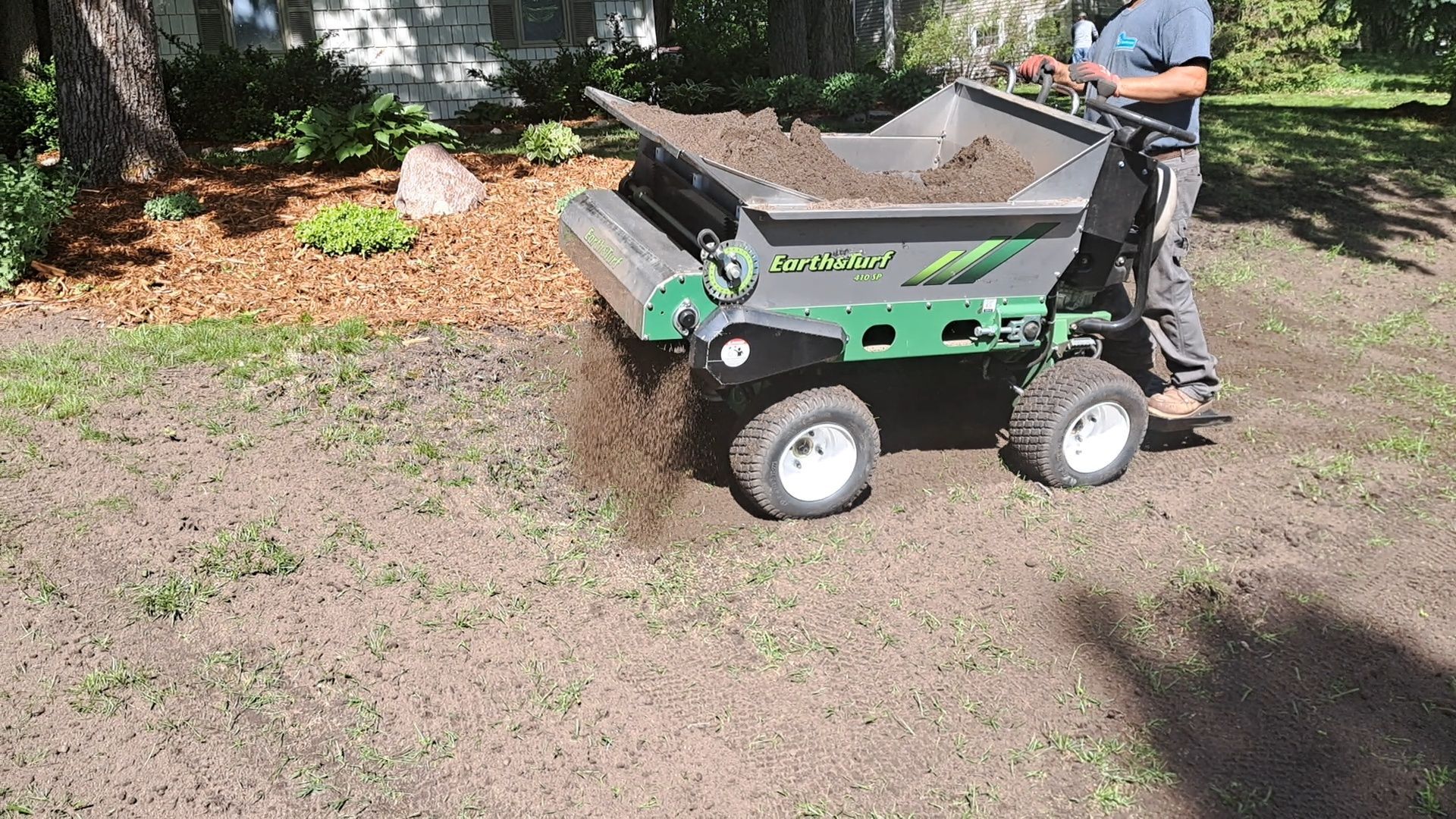
Looking for the best organic lawn fertilizer in Minnesota? See top options, how they feed your turf, and what KG uses. Get a quote.
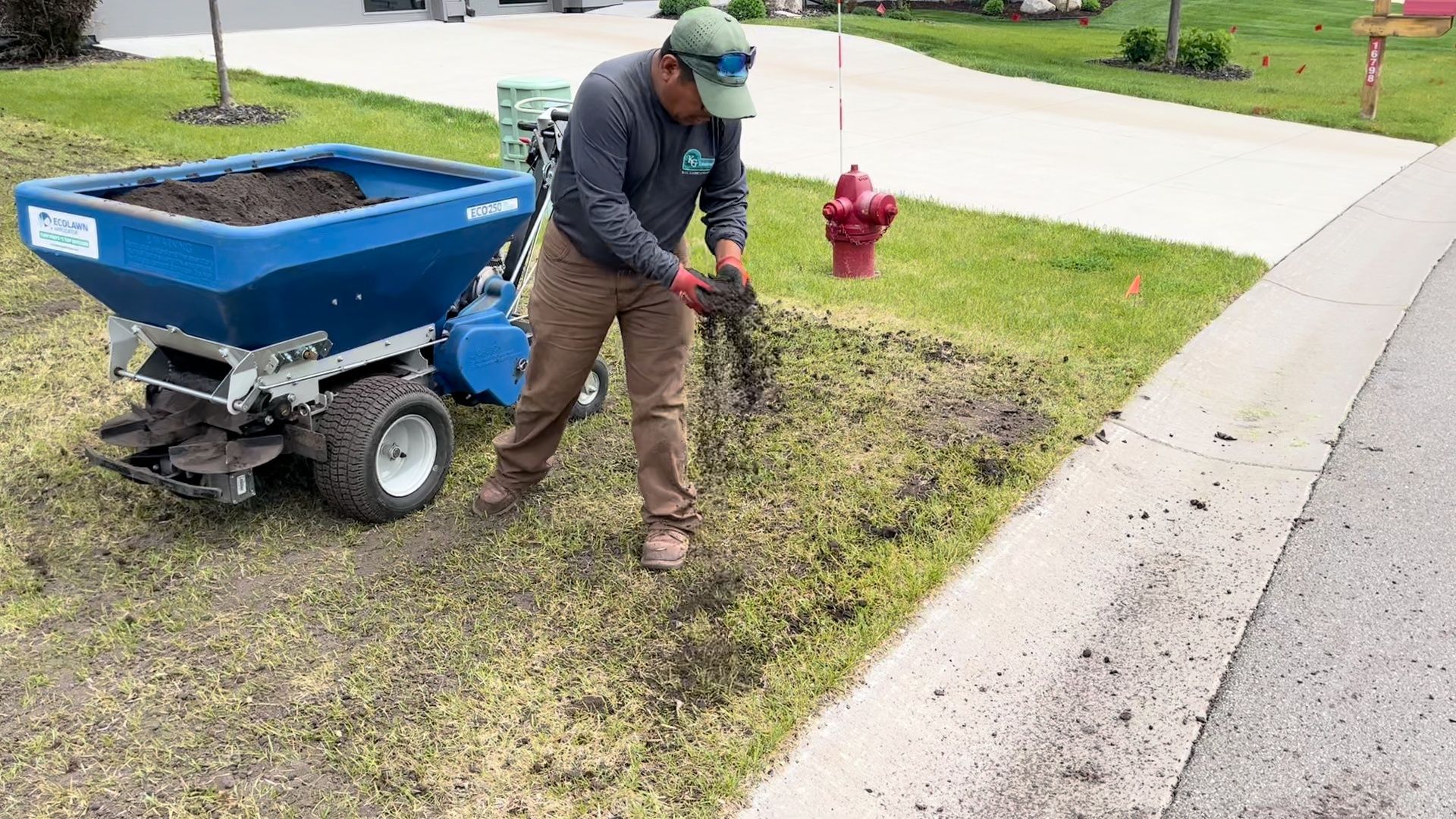
Is compost a fertilizer? Learn what compost does for your Minnesota lawn, how it differs from fertilizer, and when to use it. Get a quote.
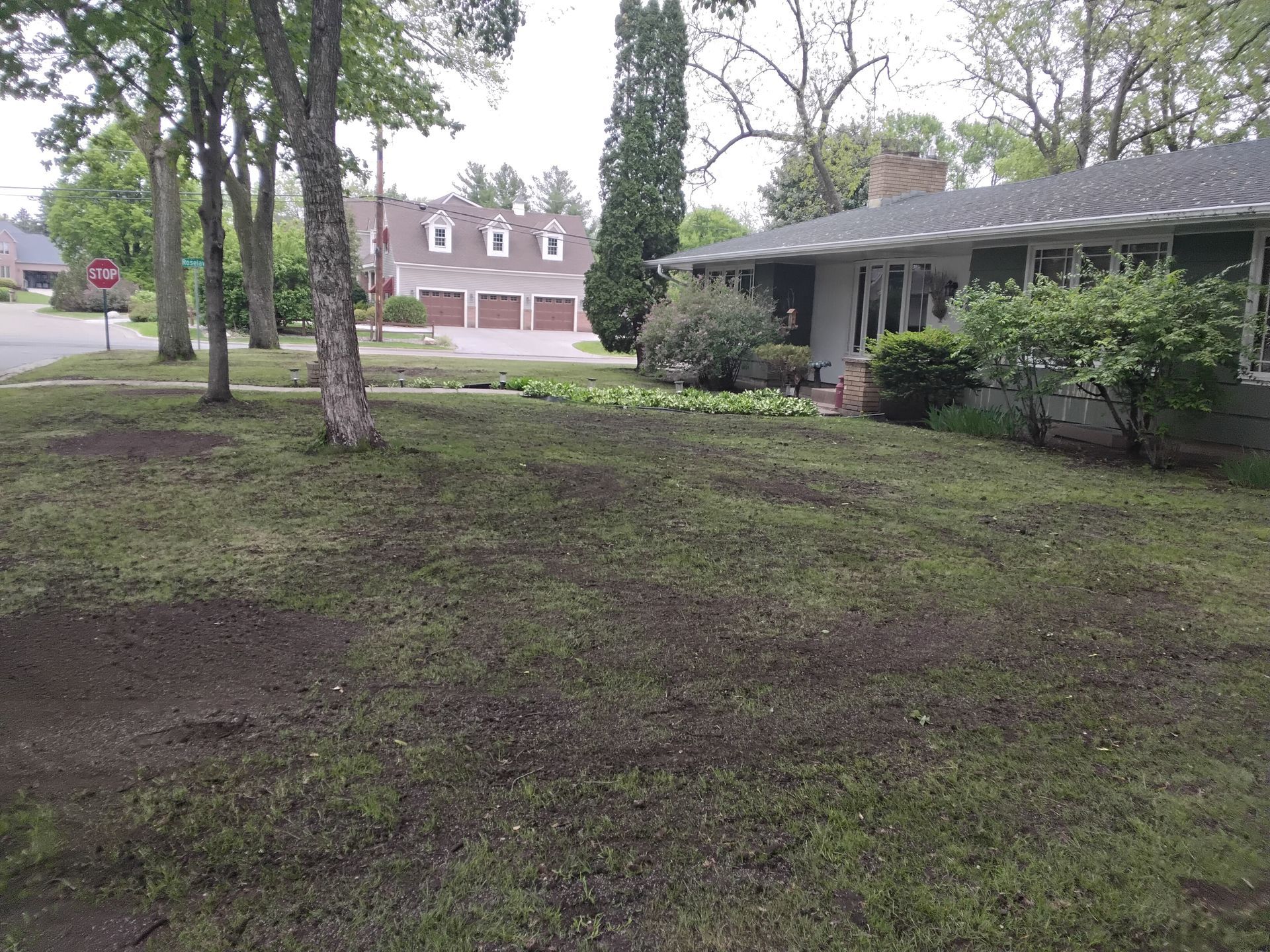
Compost feeds the soil, fertilizer feeds the grass. Learn which your Minnesota lawn needs, when to use each, and how to apply both. Get a quote.
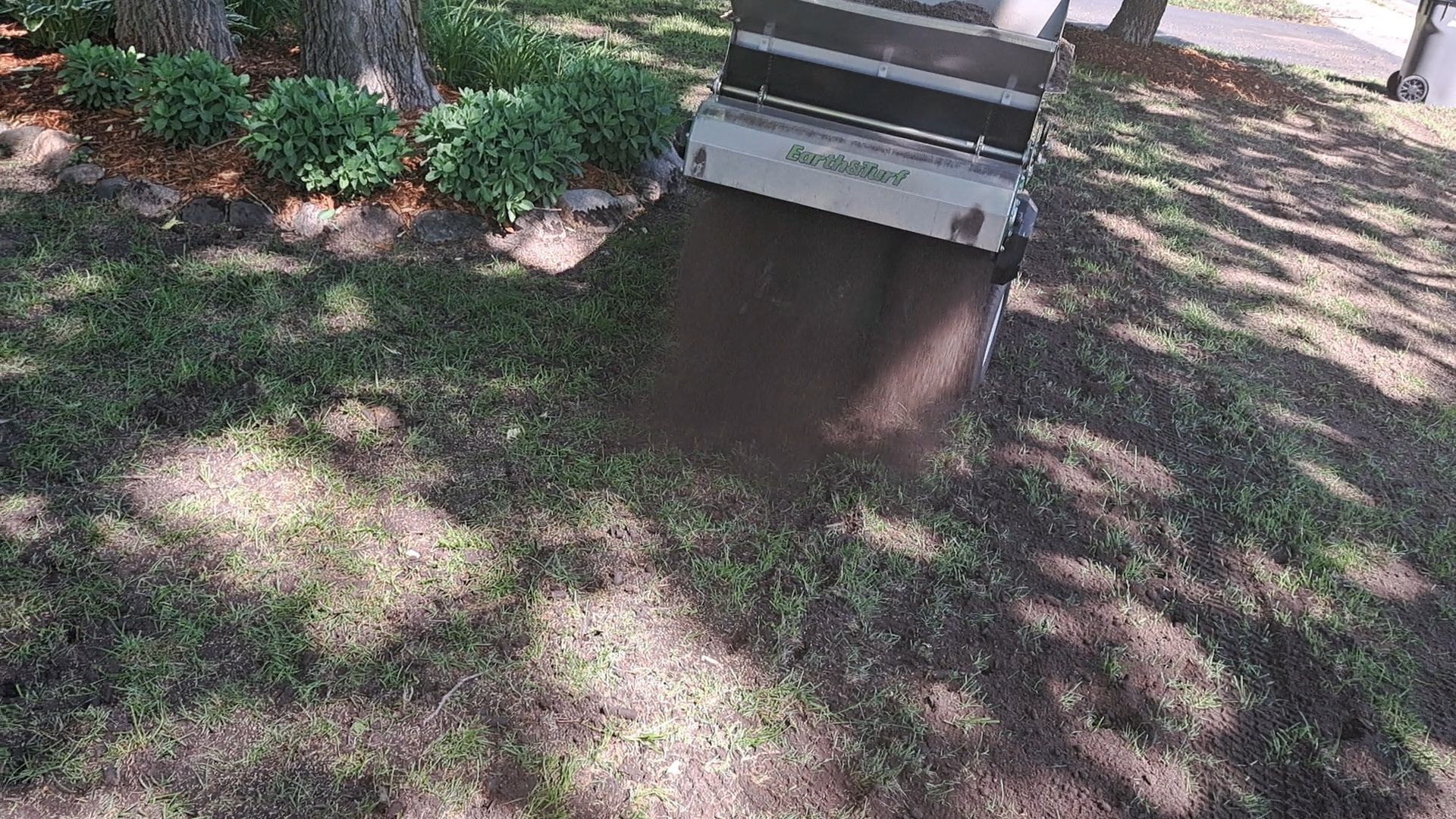
Eco-friendly lawn care tips for Twin Cities yards: cut chemicals, save water, and build healthy soil naturally. Get a free quote.
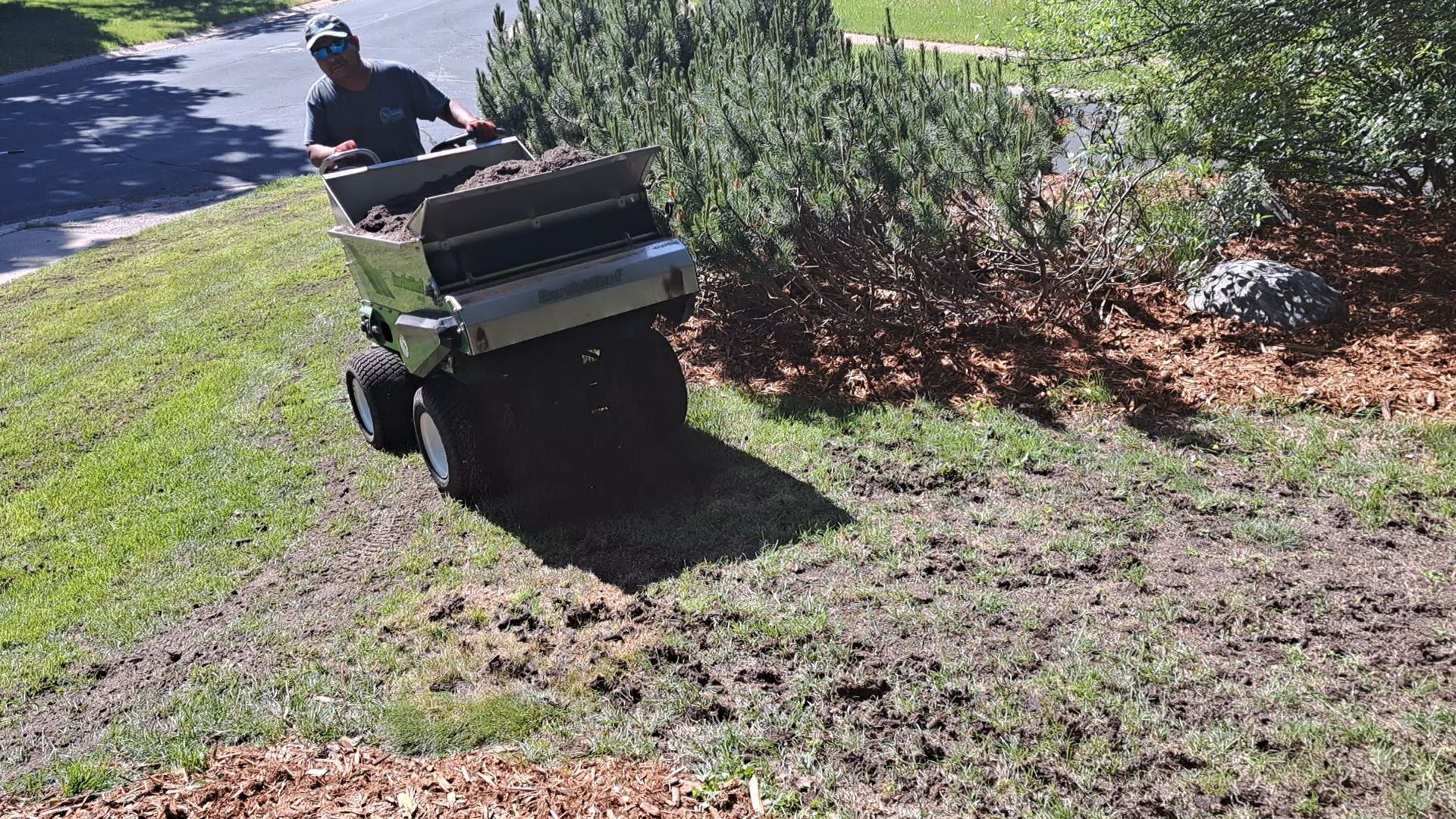
Simple, proven lawn care tips for Minnesota yards: mowing, watering, feeding, and building healthy soil that lasts. Get a free quote.